
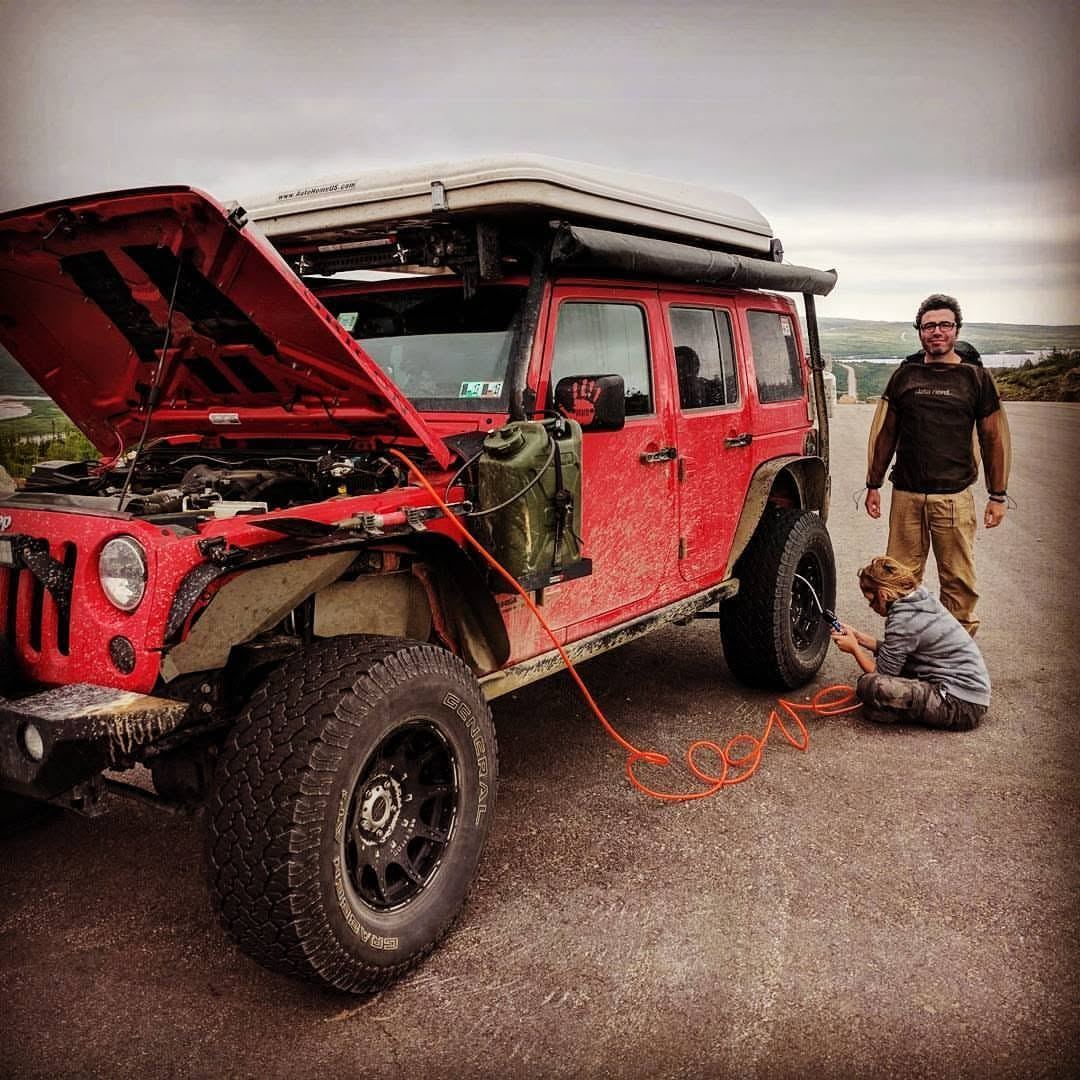
Embarking on an Alaska road trip in a custom overlanding rig is the dream for many adventurers. The allure of vast wilderness, majestic mountains, and unparalleled wildlife viewing is undeniable. However, the very roads that lead to these breathtaking vistas can be brutal on your meticulously crafted vehicle interior. Alaska's notorious washboard gravel roads, frost heaves, and unpaved stretches will rattle your vehicle like a paint shaker, threatening to dismantle everything from custom cabinetry to critical electrical connections. This isn't just about comfort; it's about the longevity and safety of your investment. Effective alaska overlanding vibration prevention is not an option; it's a necessity.
Many overlanders, especially those new to Alaska's unique road conditions, underestimate the sheer force of sustained vibrations. It's not just your tires and suspension that take a beating; custom interior cabinetry, solar mounts, plumbing fittings, and even delicate electronics are all at risk of vibrating apart. Ignoring these risks can lead to frustrating breakdowns, costly repairs, and even trip-ending damage. This comprehensive guide will equip you with the knowledge and strategies to fortify your custom build against the relentless Alaskan shake, ensuring your adventure remains epic, not catastrophic.
Understanding the Alaskan Road Gauntlet
Before diving into solutions, it's crucial to understand the specific challenges Alaska's roads present. Unlike typical paved highways, many of Alaska's most scenic and remote routes feature long stretches of gravel, often poorly maintained, creating a phenomenon known as "washboarding." This corrugated surface generates rapid, high-frequency vibrations that can quickly loosen fasteners, fatigue materials, and stress connections.
- Washboard Roads: These are the primary culprits. The repetitive up-and-down motion can cause screws to back out, glue joints to fail, and components to rub together, leading to wear and eventual breakage.
- Frost Heaves: Alaska's extreme freeze-thaw cycles create massive undulations and sudden dips in paved roads. Hitting these at speed can deliver significant shock loads, testing the structural integrity of your entire build.
- Unpaved & Remote Tracks: Beyond the main highways, many access roads to trailheads, fishing spots, and campgrounds are rough, rocky, and often muddy, requiring your vehicle to flex and twist, putting additional strain on interior components.
The cumulative effect of these conditions is what makes alaska overlanding vibration prevention so critical. A minor rattle on a paved road can become a catastrophic failure after hundreds of miles on Alaskan gravel.
Fortifying Your Foundation: Heavy-Duty Sealants and Adhesives
The first line of defense against vibration damage is often overlooked: the quality and application of your sealants and adhesives. Standard construction adhesives or silicone caulks simply won't cut it for the extreme stresses of Alaskan overlanding.
Choosing the Right Sealants
When selecting sealants and adhesives for your custom interior, prioritize flexibility, strong adhesion, and resistance to temperature extremes. Here are some must-have types:
- Marine-Grade Polyurethane Sealants (e.g., 3M 5200, Sikaflex 291i): These are incredibly strong, flexible, and waterproof. Originally designed for boats, they excel at bonding dissimilar materials and absorbing vibration. Use them for structural joints, securing heavy components like solar panel mounts to the roof, or sealing around exterior penetrations. Be aware that some are permanent, so choose wisely. For less permanent applications, a removable marine sealant like 3M 4200 might be better.
- Construction Adhesives (e.g., PL Premium, Loctite PL Max): These heavy-duty polyurethane-based construction adhesives offer superior bonding strength and flexibility compared to traditional wood glues. They are excellent for assembling cabinet frames, securing subfloors, and bonding wall panels. They cure to a tough, somewhat flexible state that can withstand significant movement.
- Vibration-Damping Compounds (e.g., Dynamat, Kilmat): While not sealants in the traditional sense, these viscoelastic damping materials are crucial for reducing resonant vibrations in large panels (walls, floors, ceilings). Applied directly to metal surfaces, they convert vibrational energy into low-level heat, significantly quieting the interior and reducing stress on attached components.
Application Best Practices
Proper application is as important as the product itself:
- Clean Surfaces: Always ensure surfaces are clean, dry, and free of grease or dust. Use appropriate primers if recommended by the sealant manufacturer. For optimal adhesion, refer to manufacturer guidelines for surface preparation.1
- Generous Beads: Don't skimp. Apply continuous, generous beads where components meet. For structural bonds, consider a "sandwich" approach where adhesive is applied to both surfaces before joining.
- Cure Time: Allow full cure time, often 24-72 hours, before subjecting the vehicle to vibrations. Rushing this step can compromise the bond.1
- Mechanical Fasteners + Adhesive: For critical components, always use a combination of mechanical fasteners (screws, bolts) and adhesive. The adhesive provides continuous support and vibration damping, while fasteners provide initial clamping force and long-term security. This hybrid approach is widely recommended for high-stress, dynamic environments to enhance structural integrity and prevent loosening.2
Reinforcing Custom Cabinetry and Interior Fixtures
Custom cabinetry is often the most vulnerable part of an overlanding interior. Traditional joinery methods, while fine for stationary homes, are insufficient for the constant jostling of an Alaskan adventure.
Specialized Hardware for Cabinets
To prevent your custom cabinets from becoming a pile of splinters, invest in specialized hardware:
- Through-Bolting with Locking Nuts: Wherever possible, use bolts that pass completely through two components, secured with locking nuts (nyloc nuts or nuts with thread locker) and large fender washers to distribute the load. This is far superior to screws driven into end grain or thin material for resisting vibration-induced loosening.
- Metal Brackets and Corner Reinforcements: Don't rely solely on wood joints. Add heavy-duty L-brackets, corner braces, and gussets, especially at high-stress points like cabinet corners, drawer slides, and countertop supports. Stainless steel or aluminum brackets are preferred for their corrosion resistance and strength.
- Heavy-Duty Latches and Catches: Standard cabinet latches will fail. Opt for marine-grade compression latches, push-button latches, or robust magnetic catches that positively secure doors and drawers. Ensure they have a strong spring mechanism or a positive locking action to prevent accidental opening.
- Drawer Slides: Use heavy-duty, full-extension drawer slides rated for the weight they will carry, plus a significant margin. Consider slides with a locking mechanism to prevent drawers from opening during transit.
- Rubber Gaskets and Isolators: Place thin rubber or neoprene gaskets between cabinet components and the vehicle frame, or between shelves and their supports. These absorb minor vibrations and prevent squeaks and chafing.
- Rivnuts (Threaded Inserts): For attaching components to metal panels, rivnuts provide a strong, threaded anchor point without needing access to the back side. Use them with bolts and thread locker for secure connections.
On-the-Fly Reinforcement Strategies
Even with the best initial build, things can loosen. Knowing how to reinforce on the fly is crucial:
- Carry a Comprehensive Tool Kit: Your Alaska road trip packing list should include a full set of wrenches, screwdrivers, a drill, various fasteners (screws, bolts, washers, nuts), zip ties, and a tube of construction adhesive.
- Self-Tapping Screws: For quick fixes, self-tapping screws can temporarily re-secure loose panels or brackets. However, often aim for a more permanent bolted solution when time allows.
- Wood Blocks and Shims: Use small blocks of wood or shims to brace wobbly components or fill gaps that have formed due to vibration. Secure them with screws or adhesive.
- Ratchet Straps: In an emergency, a ratchet strap can temporarily hold a cabinet or large fixture in place until a proper repair can be made.
Safeguarding Your Electrical and Plumbing Systems
Electrical shorts and plumbing leaks are not just inconvenient; they can be dangerous. Vibrations are a common cause of both.
Diagnosing Electrical Shorts Caused by Vibrations
Aggressive road vibrations can cause electrical wires to chafe, connections to loosen, and components to fail. Here's how to diagnose and prevent issues:
- Common Failure Points:
- Chafing: Wires rubbing against sharp metal edges, screws, or other wires.
- Loose Connections: Terminal blocks, crimp connectors, and screw terminals can vibrate loose, leading to intermittent power, arcing, or complete failure.
- Component Fatigue: Circuit board components, solder joints, and internal wiring of appliances can crack or break.
- Battery Terminals: Loose battery terminals can cause power interruptions and even damage to sensitive electronics.
- Diagnosis Steps:
- Visual Inspection: Look for frayed wires, discolored insulation (indicating heat), loose connectors, and signs of rubbing.
- Wiggle Test: With the circuit powered (and safely accessible), gently wiggle wires and connections. If power flickers or an appliance cuts out, you've found a potential culprit.
- Multimeter: Use a multimeter to check for continuity, voltage drops, and resistance. An intermittent connection will show fluctuating readings.
- Thermal Camera: A thermal camera can reveal hot spots where resistance is high due to a loose connection or damaged wire.
Prevention is Key for Electrical Systems
Proactive measures are far better than reactive repairs:
- Proper Wire Management:
- Conduit and Loom: Run wires inside flexible conduit or automotive wire loom to protect them from abrasion.
- Cable Clamps: Secure wires every 12-18 inches with insulated cable clamps. Avoid zip ties that can overtighten and cut into insulation over time.
- Service Loops: Leave a small amount of slack (a "service loop") in wires near connections to allow for movement and prevent strain.
- High-Quality Connectors:
- Heat-Shrink Connectors: Use marine-grade heat-shrink butt connectors and terminals. These create a waterproof, vibration-resistant seal.
- Crimping Tools: Invest in a good quality crimping tool. Poor crimps are a major source of electrical issues.
- Thread Locker: Apply a small amount of non-permanent thread locker to screw terminals on fuse blocks, bus bars, and battery connections.
- Component Mounting: Secure all electrical components (inverters, charge controllers, fuse blocks) firmly to solid surfaces using bolts and washers, often with rubber isolators to absorb shock. For RV solar power systems, ensure panels and controllers are robustly mounted.
- Battery Security: Batteries must be securely strapped down or housed in a robust battery box to prevent movement. Loose batteries are a fire hazard and can damage terminals.
Plumbing System Protection
Water leaks are a nightmare in an overlanding rig. Vibrations can loosen fittings, crack pipes, and wear through hoses.
- Flexible Hoses: Where possible, use flexible PEX or reinforced rubber hoses instead of rigid PVC pipes, especially for connections to pumps, tanks, and fixtures.
- Hose Clamps: Use high-quality stainless steel hose clamps, double-clamping critical connections.
- Thread Sealant/Tape: Apply PTFE thread sealant tape or pipe dope to all threaded plumbing connections.
- Support and Isolation: Support long runs of plumbing with clamps or straps to prevent sagging and excessive movement. Use rubber grommets where pipes pass through bulkheads.
- Secure Tanks: Water tanks must be securely strapped or bolted down, often with rubber padding underneath to absorb shock and prevent chafing.
Pre-Trip Inspection and On-Road Maintenance
Even with the best build, vigilance is key. A thorough pre-trip inspection and regular checks during your journey are vital for effective alaska overlanding vibration prevention.
Before You Go (2026 Edition)
Before you hit the road for your Alaskan adventure in 2026, perform a comprehensive inspection:
- Shake Test: Physically shake and push on every cabinet, appliance, and fixture. Listen for rattles, creaks, and signs of looseness.
- Fastener Check: Go through every visible screw, bolt, and nut. Tighten anything that feels loose. Consider adding thread locker to critical fasteners.
- Wiring & Plumbing Scan: Visually inspect all accessible wiring for chafing and all plumbing for leaks or loose connections.
- Appliance Mounts: Ensure refrigerators, microwaves, and other heavy appliances are securely fastened.
- Storage: Secure all loose items inside cabinets and drawers. Use non-slip mats, bungee cords, and dividers to prevent items from shifting and causing internal damage or noise.
During Your Trip
Regular checks, especially after long stretches of rough roads, can prevent minor issues from becoming major problems:
- Daily Walk-Around: A quick visual inspection of exterior mounts (solar panels, roof racks) and interior components.
- Listen for New Noises: A new rattle or squeak is often the first sign of a loosening component. Investigate immediately.
- Feel for Movement: Periodically check cabinets and fixtures for any new play or wobble.
- Tool Kit Readiness: Keep your essential tools and emergency repair supplies easily accessible.
For those planning their journey, remember that planning your trip to Alaska involves more than just routes and campsites; it includes preparing your vehicle for the unique challenges it will face. Considering a 4WD for your Alaska road trip can also significantly mitigate the impact of rough roads on your vehicle's interior by providing better stability and control.
Frequently Asked Questions
What are the most common interior components to fail due to vibration in Alaska?
The most common failures include cabinet doors and drawers coming unlatched, screws backing out of cabinet frames, plumbing fittings loosening and leaking, and electrical wires chafing or connections vibrating loose. Solar panel mounts and roof racks are also prone to loosening if not properly secured.
Can I use regular wood glue for my custom cabinetry?
No, regular wood glue is generally too brittle for the constant vibrations encountered during overlanding. It can crack and fail, leading to cabinet disintegration. Always use flexible, heavy-duty construction adhesives or marine-grade polyurethane sealants in conjunction with mechanical fasteners for structural integrity, as these are designed to withstand dynamic stresses.3
How often should I inspect my vehicle for vibration damage during an Alaska road trip?
It's advisable to perform a quick visual and tactile inspection daily, especially after long stretches on gravel or rough roads. A more thorough check, including tightening fasteners, should be done weekly or every few hundred miles, depending on the severity of the terrain.
Are there specific tools I should carry for emergency vibration repairs?
Absolutely. Your essential kit should include a variety of screwdrivers, wrenches, a drill with bits, a selection of screws, bolts, washers, and nuts (especially locking nuts), zip ties, electrical tape, a multimeter, and a tube of heavy-duty construction adhesive or marine sealant. Having these on hand can save your trip.
Does tire pressure affect vibration in the interior?
Yes, significantly. Overinflated tires transmit more road harshness and vibration into the vehicle. Properly deflating your tires for gravel roads (often 10-15 PSI below highway pressure, depending on your vehicle and tires) can dramatically reduce vibrations, improve ride comfort, and lessen the stress on your custom interior. Remember to reinflate for paved roads.
What's the best way to secure heavy items like a microwave or refrigerator?
Heavy appliances should be bolted directly to the vehicle's frame or a robust, reinforced structural element of your custom build. Use large fender washers to distribute the load and consider rubber isolators between the appliance and the mounting surface to absorb vibrations. Additionally, use strong latches or straps to prevent doors from opening during transit.
Conclusion: Build Smart, Travel Far
An Alaska overlanding adventure is a journey of a lifetime, but it demands respect for the rugged environment. By prioritizing alaska overlanding vibration prevention in your custom build, you're not just protecting your investment; you're ensuring a safer, more comfortable, and ultimately more enjoyable experience. From selecting the right heavy-duty sealants and specialized hardware to meticulously managing your electrical and plumbing systems, every detail counts. Don't let the washboard roads turn your dream rig into a nightmare. Plan smart, build tough, and you'll be ready to explore the Last Frontier with confidence.
Ready to plan your ultimate Alaskan adventure? Let Alaska Road Trip help you craft the perfect itinerary tailored to your overlanding dreams. Visit our Plan Your Trip page to get started and ensure your journey is as smooth as possible, even when the roads aren't.
- Loctite. How to Apply Construction Adhesive. Accessed 2026-06-07.
- Fastenal. Fastenal Technical Reference Guide - Adhesives. Page 2, "Mechanical Fastening with Adhesives". Accessed 2026-06-07.
- Sika Corporation. Sikaflex®-291i Marine Multi-Purpose Sealant. Accessed 2026-06-07.

See a real Alaska itinerary before you spend a dollar
A real 3-day plan with driving times, lodging picks, and a daylight chart — free, in your inbox.
One email. No spam. Unsubscribe anytime. Or view it right now — no email needed ↗
Ready for the full plan? Get your custom itinerary — from $197 · 5-day delivery →