Alaska's vast, wild landscapes call to the adventurous spirit, promising unparalleled beauty and unforgettable experiences. But the very remoteness that makes Alaska so appealing also presents unique challenges for road trippers. While a flat tire is a common inconvenience anywhere, encountering a smashed oil pan, a bent sway bar link, or a punctured radiator from a rogue rock on a remote Alaska gravel road can quickly escalate from a minor setback to a trip-ending disaster, potentially costing thousands in specialized towing and repairs. This isn't just about a simple tire change; it's about understanding the specific risks of Alaska's unpaved highways and preparing for structural damage that goes far beyond the basics.
At Alaska Road Trip, we believe that preparedness is the cornerstone of a successful adventure. Our goal is to equip you with the knowledge and tools for essential alaska gravel road repair, ensuring you can navigate unexpected vehicle issues with confidence. This guide delves into the crucial 'trail repair' kits that extend beyond a basic spare, offers practical advice for temporary structural fixes to get you to the nearest mechanic, and highlights the often-overlooked importance of underbody protection for standard rental SUVs. With the right preparation, you can transform potential roadside emergencies into manageable detours, keeping your Alaskan dream alive.
The Unique Challenges of Alaska's Unpaved Highways
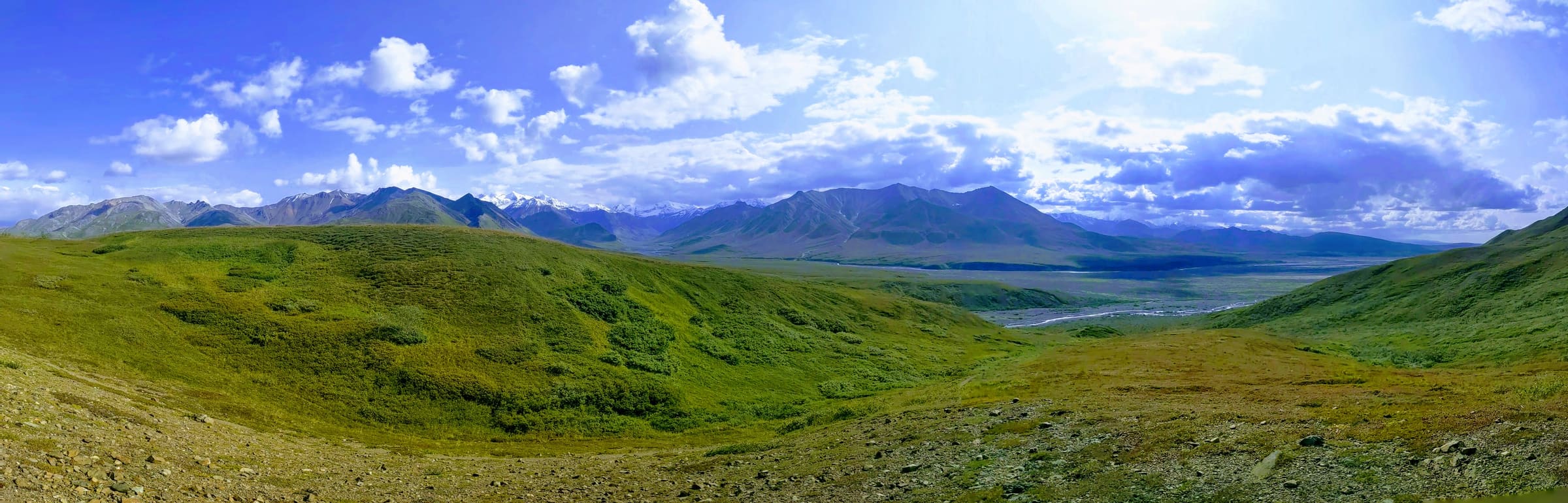
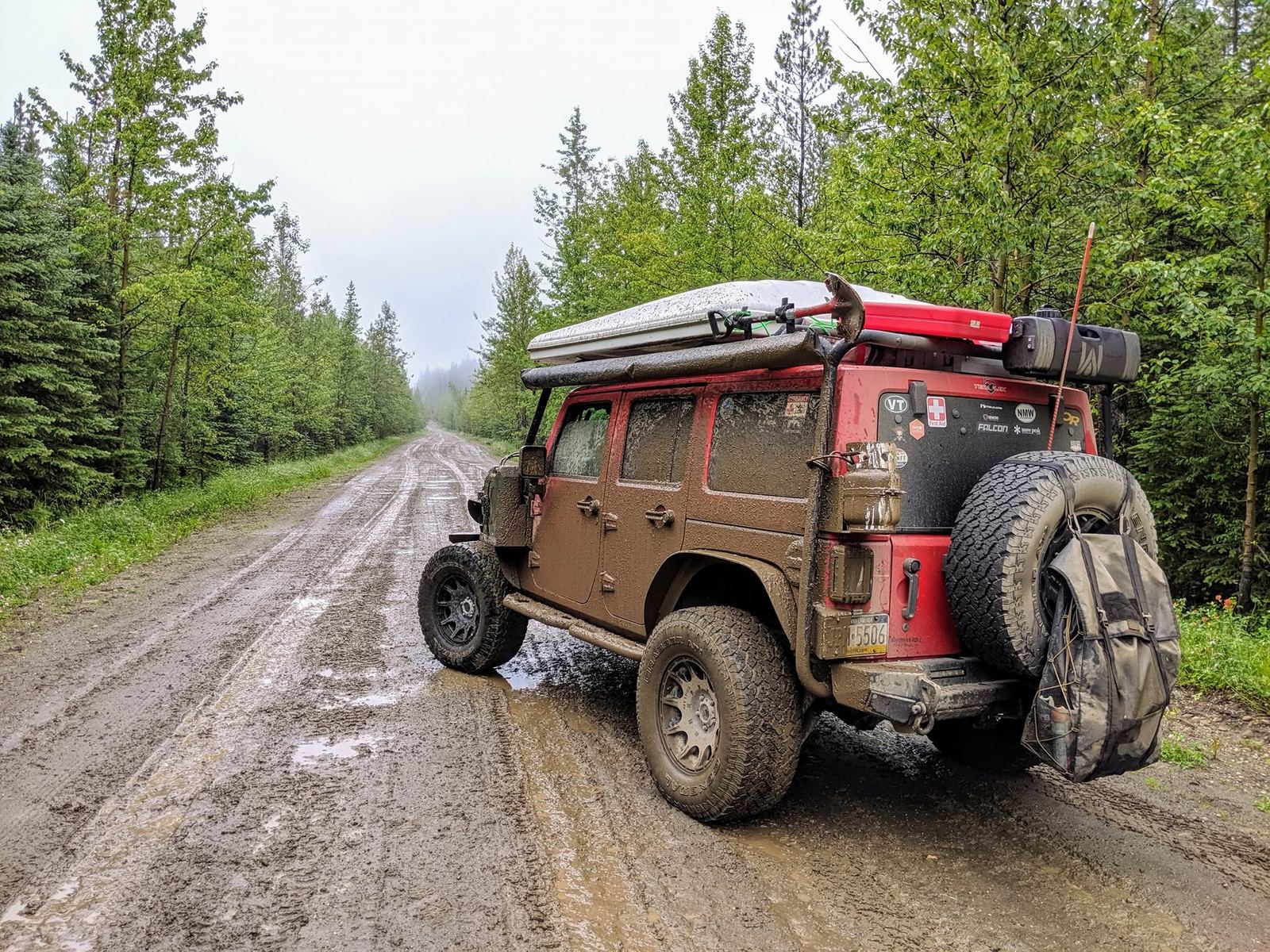
Alaska boasts thousands of miles of unpaved roads, from well-maintained gravel arteries like sections of the Denali Highway to more rugged, remote routes. These roads, while offering access to incredible wilderness, are inherently more demanding on vehicles than paved surfaces. For more information on Alaska's diverse road network, consult the Alaska Department of Transportation & Public Facilities. The primary culprits for vehicle damage include: Source: Dangerousroads source.
- Loose Gravel and Rocks: High-speed travel on gravel can kick up stones, leading to cracked windshields, dented body panels, and, most critically, impacts to the undercarriage.
- Washboard and Potholes: Uneven surfaces cause excessive vibration and stress on suspension components, steering linkages, and tires, accelerating wear and increasing the risk of failure.
- Dust and Mud: Depending on weather conditions, roads can be incredibly dusty, infiltrating air filters and sensitive components, or turn into slick, vehicle-trapping mud.
- Limited Services: Long stretches between towns mean that help, if needed, can be hours or even days away, making self-sufficiency paramount.
Understanding these challenges is the first step in preparing for a safe and enjoyable journey. For more insights into navigating specific routes, explore our guide on driving the Dalton Highway, one of Alaska's most iconic gravel roads.
Beyond the Basic Spare: Your Essential "Trail Repair" Kit
A standard vehicle emergency kit is a good start, but for Alaska's gravel roads, you need to think bigger. Your "trail repair" kit should be designed to address common gravel road specific damages, not just a flat tire. Here’s what we recommend:
Tire Repair and Inflation
- Full-Size Spare Tire: Crucial. Many rentals only offer a donut spare, which is inadequate for long distances on rough terrain. Consider requesting a full-size spare or bringing an additional one if possible.
- Tire Plug Kit: For punctures in the tread. These kits allow for quick, temporary fixes without removing the tire from the rim.
- Portable Air Compressor: Essential for reinflating tires after a plug, or for adjusting tire pressure for different road conditions.
- Tire Pressure Gauge: Accurate readings are vital for optimal performance and safety.
- Tire Patch Kit: For more complex sidewall damage, though these are often harder to apply effectively roadside.
Fluid Leak Repair
Underbody impacts can cause leaks in oil pans, transmission pans, or even radiator hoses. Having the right materials for a temporary seal can save your engine.
- JB Weld or Similar Epoxy Putty: A two-part epoxy that hardens like steel, excellent for patching small holes or cracks in metal components like an oil pan or radiator. Source: En Wikipedia source.
- High-Temperature RTV Silicone Sealant: Useful for sealing gaskets or small cracks in plastic components.
- Hose Clamps (Assorted Sizes): For temporarily repairing a burst or leaking hose.
- Duct Tape and Electrical Tape: The universal fix-alls. Duct tape can temporarily hold a cracked hose together, while electrical tape can secure wiring.
- Zip Ties (Heavy Duty, Assorted Lengths): Invaluable for securing loose components, temporarily reattaching exhaust pipes, or bundling wires.
- Extra Fluids: Small quantities of engine oil, coolant, and power steering fluid can be critical if you have a slow leak and need to top off to reach a service station.
Structural and Suspension Repair
Impacts can bend or break suspension components, steering linkages, or exhaust systems. While these aren't typically roadside permanent fixes, temporary stabilization can allow you to limp to safety.
- Basic Tool Kit: Wrenches, sockets, screwdrivers, pliers, vice grips. A good set of vice grips can act as a temporary clamp or hold a broken part.
- Heavy Gauge Wire or Bailing Wire: Stronger than zip ties for securing heavier components like exhaust pipes or temporarily binding a broken sway bar.
- Small Pry Bar or Crowbar: Useful for gently bending back minorly deformed metal or prying apart stuck components.
- Work Gloves: Protect your hands from sharp edges and grime.
- Headlamp or Flashlight: Essential for working under the vehicle, especially in low light or during Alaska's extended summer daylight hours when shadows can still obscure details.
Recovery and Safety Gear
- Tow Strap: For getting unstuck or assisting another vehicle. Ensure it's rated for your vehicle's weight.
- Shovel: For digging out tires from mud or sand.
- Traction Boards (e.g., Maxtrax): Can provide grip on slippery surfaces.
- First Aid Kit: Comprehensive, including trauma supplies.
- Communication Device: Satellite phone or Garmin InReach/Spot device. Cell service is nonexistent in many remote areas.
- High-Visibility Vest/Triangles: For roadside safety.
For a more general overview of what to bring, consult our comprehensive Alaska road trip packing list.
Performing Temporary Structural Fixes to Get You to a Mechanic
The goal of a trail repair is not perfection, but functionality – to safely get your vehicle to a professional mechanic. Travelers should prioritize safety and understand that these are temporary solutions.
Damaged Oil Pan or Fluid Leaks
A punctured oil pan is one of the most serious underbody damages. Losing engine oil can quickly lead to catastrophic engine failure. If you discover an oil leak:
- Assess the Damage: Locate the leak. Is it a small crack, a pinhole, or a larger rupture?
- Clean the Area: Use rags to thoroughly clean and dry the area around the leak. Oil and dirt will prevent any sealant from adhering properly.
- Apply Epoxy Putty (e.g., JB Weld): For small cracks or holes in metal pans, mix the two-part epoxy based on instructions. Apply a generous amount over the leak, extending beyond the damaged area. Press firmly and allow it to cure fully (check product instructions for cure time, often several hours).
- Monitor Fluid Levels: Once cured, refill the oil to the proper level. Start the engine and carefully check for leaks.
- Drive Slowly: If the leak is sealed, drive at very slow speeds to the nearest service station, checking oil levels frequently. If the leak persists, do not drive.
For a visual guide on temporary oil pan fixes, resources like Car Bibles offer practical advice on How To Fix A Cracked Oil Pan.
Bent Sway Bar Link or Steering Components
Impacts can bend or break sway bar links, tie rods, or other suspension components. While a broken sway bar link might not immediately immobilize your vehicle, it will significantly affect handling and stability.
- Identify the Damaged Part: Look for bent or broken rods, loose connections, or unusual angles.
- Sway Bar Link: If a sway bar link is bent or broken, it's often best to temporarily disconnect it at one end if possible, to prevent further damage or interference with steering. Use a wrench to remove the nut, or if it's completely broken, secure the loose end with heavy-duty zip ties or bailing wire to prevent it from dragging or interfering with other components.
- Steering Components (Tie Rods, Control Arms): If a critical steering component is bent or broken, do not drive the vehicle. Any compromise to steering is extremely dangerous. This requires professional towing.
- Drive with Caution: If you've disconnected a sway bar link, expect increased body roll and reduced stability, especially in turns. Drive very slowly and avoid sudden maneuvers.
Exhaust System Damage
A low-hanging exhaust pipe can be easily snagged and torn. While not critical to vehicle operation, a dragging exhaust can be noisy, dangerous, and cause further damage.
- Inspect the Damage: Is it merely disconnected from a hanger, or is a pipe broken?
- Reattach or Secure: Use heavy-duty zip ties, bailing wire, or even a sturdy coat hanger to temporarily reattach the exhaust pipe to an existing hanger point or to the vehicle's frame. Ensure it's securely fastened and not dragging on the ground.
- Check for Clearance: Make sure the exhaust is clear of all moving parts (driveshaft, suspension) and not touching any fuel lines or plastic components that could melt.
Body Panel Damage
Loose or flapping body panels (fenders, bumpers) can be a nuisance and a hazard.
- Secure Loose Parts: Use duct tape, zip ties, or even small screws if you have them, to secure any flapping plastic or metal panels. The goal is to prevent them from detaching completely or causing further damage.
Remember, these are temporary fixes. It is crucial to seek professional inspection and repair as soon as possible. Driving with compromised components, even temporarily, carries inherent risks.
The Unsung Hero: Underbody Protection (Skid Plates)
When planning an Alaska road trip, especially if you intend to venture onto gravel roads, the type of vehicle you choose and its protection features are paramount. Many standard rental SUVs, while capable on paved roads, often lack adequate underbody protection, making them vulnerable to the very hazards discussed. This is where skid plates become the unsung heroes of gravel road travel.
Why Skid Plates Are Crucial
- Protection Against Impacts: Skid plates are robust metal or composite plates installed beneath the vehicle to shield critical components from impacts with rocks, debris, and uneven terrain. They protect the oil pan, transmission, transfer case, fuel tank, and differential.
- Prevent Costly Damage: A damaged oil pan can lead to engine seizure, a punctured fuel tank can be a fire hazard, and a compromised transmission can leave you stranded. The cost of installing skid plates (if you own the vehicle) or ensuring your rental has them is a fraction of the potential repair bills and towing costs in remote Alaska.
- Peace of Mind: Knowing your vehicle's vitals are protected allows you to drive with greater confidence on challenging roads, reducing stress and enhancing your overall trip experience.
Assessing Underbody Protection on Rental SUVs
Most standard rental SUVs are designed for highway driving and light off-roading, not sustained gravel road travel with potential for significant impacts. They typically have plastic splash guards, which offer minimal protection against sharp rocks.
- Inquire Specifically: When booking a rental, ask directly about underbody protection. Use terms like "skid plates" or "off-road package."
- Inspect the Vehicle: Before driving off the lot, get down and look underneath. Are there robust metal plates covering the engine, transmission, and fuel tank? Or are there only thin plastic covers?
- Consider a 4WD or AWD Rental: While not a guarantee of skid plates, vehicles marketed for 4WD or AWD use are more likely to have some level of enhanced underbody protection. However, even these may not have full, heavy-duty skid plates. For more on vehicle choice, see our guide on 4WD for an Alaska Road Trip.
- The "Rental Agreement" Caveat: Be aware that many rental agreements explicitly prohibit driving on unpaved roads or void insurance coverage if damage occurs off-pavement. often read your rental agreement carefully and understand the terms.
Investing in a rental that offers superior protection, or at least being aware of your vehicle's limitations, is a critical decision for any Alaska road trip. The upfront cost or effort to find such a vehicle pales in comparison to the potential expenses and lost vacation time from a major breakdown.
Preventative Measures and Smart Planning
The best emergency repair is the one you rarely have to make. Proactive planning and smart driving techniques significantly reduce your risk of vehicle damage on Alaska's gravel roads.
Vehicle Inspection Before Departure
Whether it's your own vehicle or a rental, a thorough inspection is non-negotiable:
- Tires: Check tread depth, sidewall condition, and proper inflation (including the spare). Consider slightly deflating tires for gravel roads to improve traction and ride comfort, but remember to reinflate for pavement.
- Fluids: Ensure all fluid levels (oil, coolant, brake fluid, power steering fluid) are at their proper marks. Check for any existing leaks.
- Brakes: Test brake function and listen for any unusual noises.
- Lights: Verify all headlights, taillights, and turn signals are operational.
- Wipers: Ensure wipers are in good condition and the washer fluid reservoir is full.
- Undercarriage: Visually inspect for any loose components, existing damage, or signs of wear on suspension and steering parts.
Driving Techniques on Gravel
Driving on gravel requires a different approach than pavement:
- Reduce Speed: This is the single most important factor. Slower speeds reduce the force of impacts, minimize dust, and give you more time to react to hazards.
- Maintain Distance: Increase your following distance significantly to avoid rocks kicked up by vehicles ahead and to allow for longer stopping distances.
- Avoid Sudden Movements: Smooth acceleration, braking, and steering are key. Sudden inputs can cause loss of traction.
- Watch for Hazards: Keep an eye out for potholes, washboards, large rocks, and wildlife.
- Stay in Your Lane: Resist the urge to drive in the middle of the road, especially on blind curves.
AAA offers excellent general advice for driving on unpaved roads safely.
Communication Devices
Cell service is unreliable or nonexistent in vast areas of Alaska. A satellite communication device is a lifeline:
- Satellite Phone: For voice calls in emergencies.
- Satellite Messenger (e.g., Garmin InReach, Spot): Allows for two-way text messaging, GPS tracking, and an SOS button for emergency services.
Knowing Your Route and Services
Before you head out, research your route. Know where the next towns, fuel stops, and service stations are located. This information is crucial for planning and for estimating how far you might need to travel on a temporary repair.
For comprehensive trip planning that considers these logistical challenges, consider Alaska Road Trip's Alaska trip planning services. Alaska Road Trip can help you craft an itinerary that balances adventure with practical considerations.
When to Call for Professional Help
Knowing your limits is as important as knowing how to perform a temporary fix. There are situations where driving on, even slowly, is simply too dangerous or will cause irreparable damage:
- Compromised Steering or Brakes: Any issue affecting your ability to steer or stop safely means you should not drive.
- Major Fluid Loss: If you cannot stop a significant leak of oil, coolant, or brake fluid, driving will quickly lead to catastrophic failure.
- Severe Suspension Damage: A broken control arm, axle, or major spring can make the vehicle unstable and uncontrollable.
- Unusual Noises or Vibrations: If your temporary fix results in alarming noises, grinding, or severe vibrations, pull over immediately.
In these scenarios, activate your satellite communication device and call for assistance. Be prepared to provide your exact location, a description of the damage, and any relevant vehicle information. Towing services in remote Alaska can be extremely expensive, with costs potentially ranging from $150–$350 plus $6–$10 per mile and even higher for remote bush access, and can take many hours to arrive, with rural wait times extending to 4–8 hours or longer, so factor this into your overall trip budget and emergency planning. Alaska Road Trip's concierge services can also assist in coordinating emergency support if you encounter unforeseen challenges on the road.
Frequently Asked Questions
What's the most common vehicle damage on Alaska gravel roads?
The most common damages are flat tires and cracked windshields due to flying rocks. However, undercarriage impacts leading to damaged oil pans, transmission pans, or bent suspension components are also frequent and often more severe, especially on less-protected vehicles.
Can I rent a vehicle with skid plates in Alaska?
It's challenging but possible. Standard rental car companies typically do not offer vehicles with heavy-duty skid plates. You may need to seek out specialized rental agencies that cater to off-road or overland travel, or consider renting a privately owned, modified vehicle. When booking, inquire specifically about underbody protection and inspect the vehicle yourself.
How far can I drive on a temporary repair?
A temporary repair is designed to get you to the nearest safe location or professional mechanic, not to complete your trip. The distance depends entirely on the nature and severity of the damage, the effectiveness of the repair, and road conditions. Drive at significantly reduced speeds, monitor the repair closely, and be prepared to stop if conditions worsen. rarely push a temporary fix beyond its immediate necessity.
Plan Your Alaska Adventure with Confidence
An Alaska road trip is an unparalleled adventure, but it demands respect for the rugged environment and thorough preparation. Understanding the risks of gravel roads and equipping yourself with the knowledge and tools for essential alaska gravel road repair can make all the difference between a minor hiccup and a major ordeal. Don't let the fear of the unknown deter you from experiencing the Last Frontier. Instead, empower yourself with preparedness. For personalized guidance and expert planning that accounts for every detail, including vehicle readiness and emergency contingencies, explore Alaska Road Trip's comprehensive Alaska itinerary planning services. Let Alaska Road Trip help you craft an unforgettable, worry-free journey through the heart of Alaska.

See a real Alaska itinerary before you spend a dollar
A real 3-day plan with driving times, lodging picks, and a daylight chart — free, in your inbox.
One email. No spam. Unsubscribe anytime. Or view it right now — no email needed ↗
Ready for the full plan? Get your custom itinerary — from $197 · 5-day delivery →