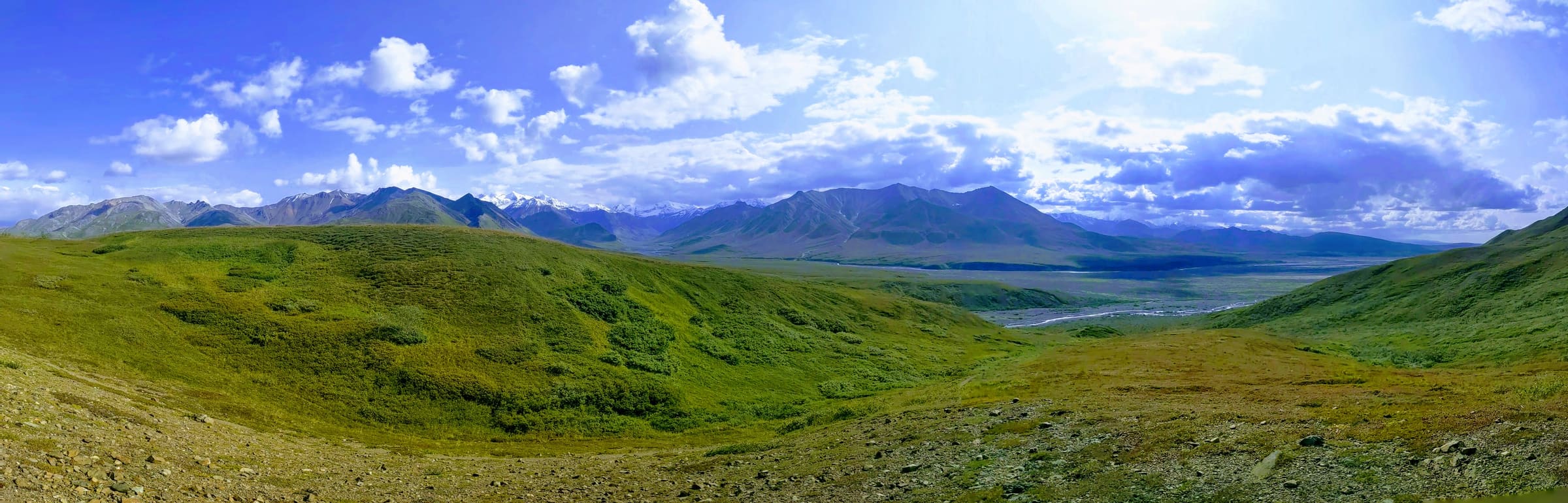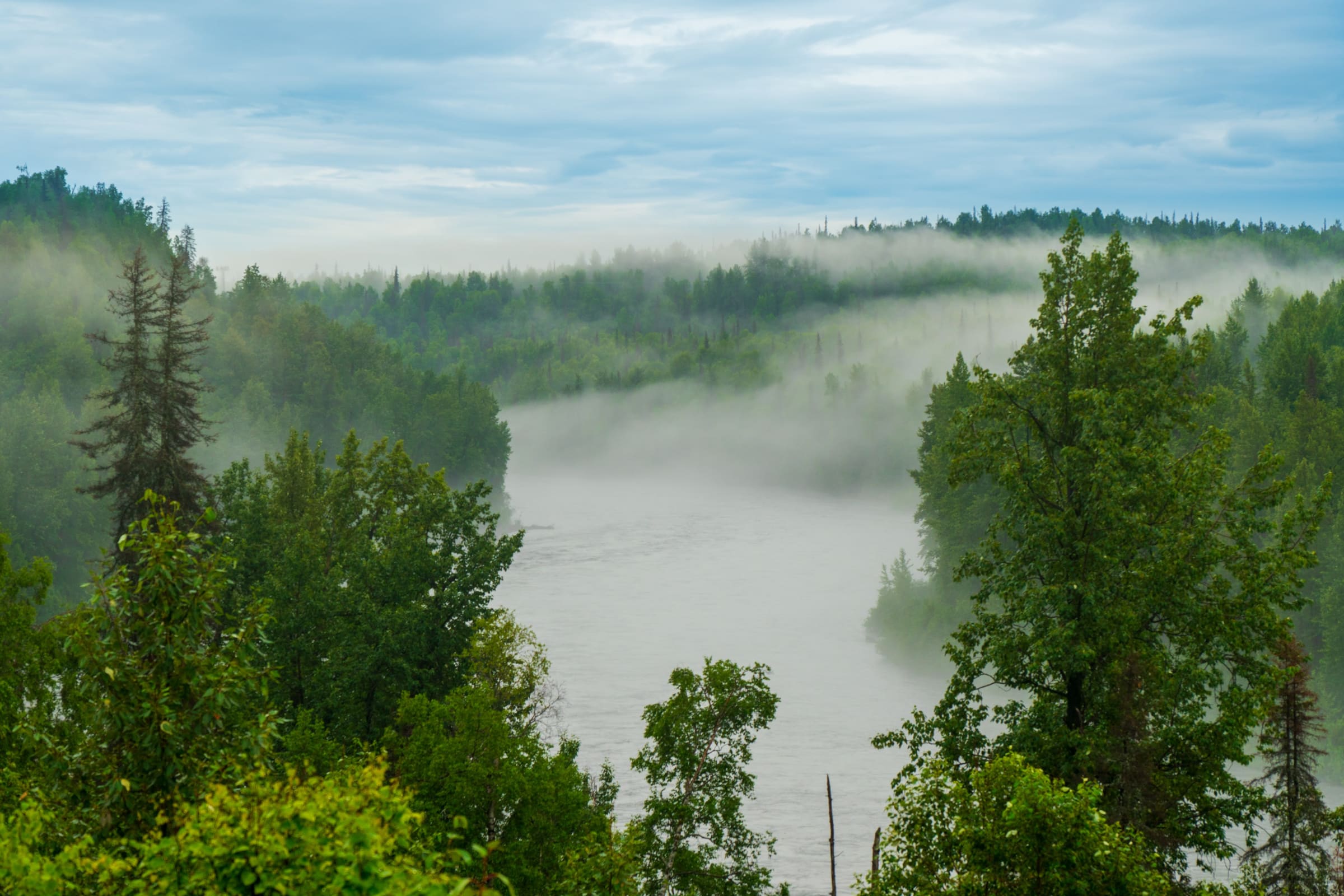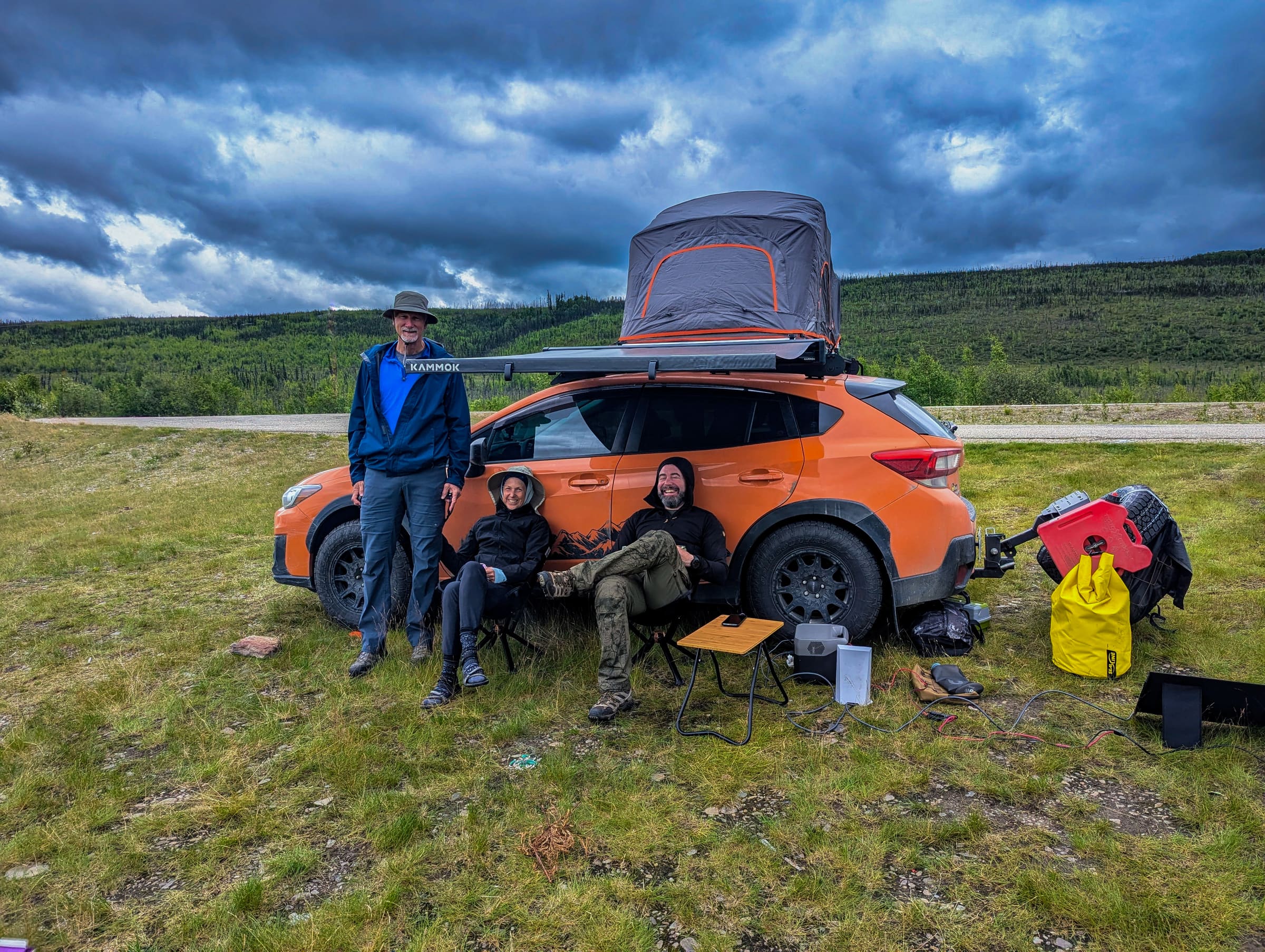
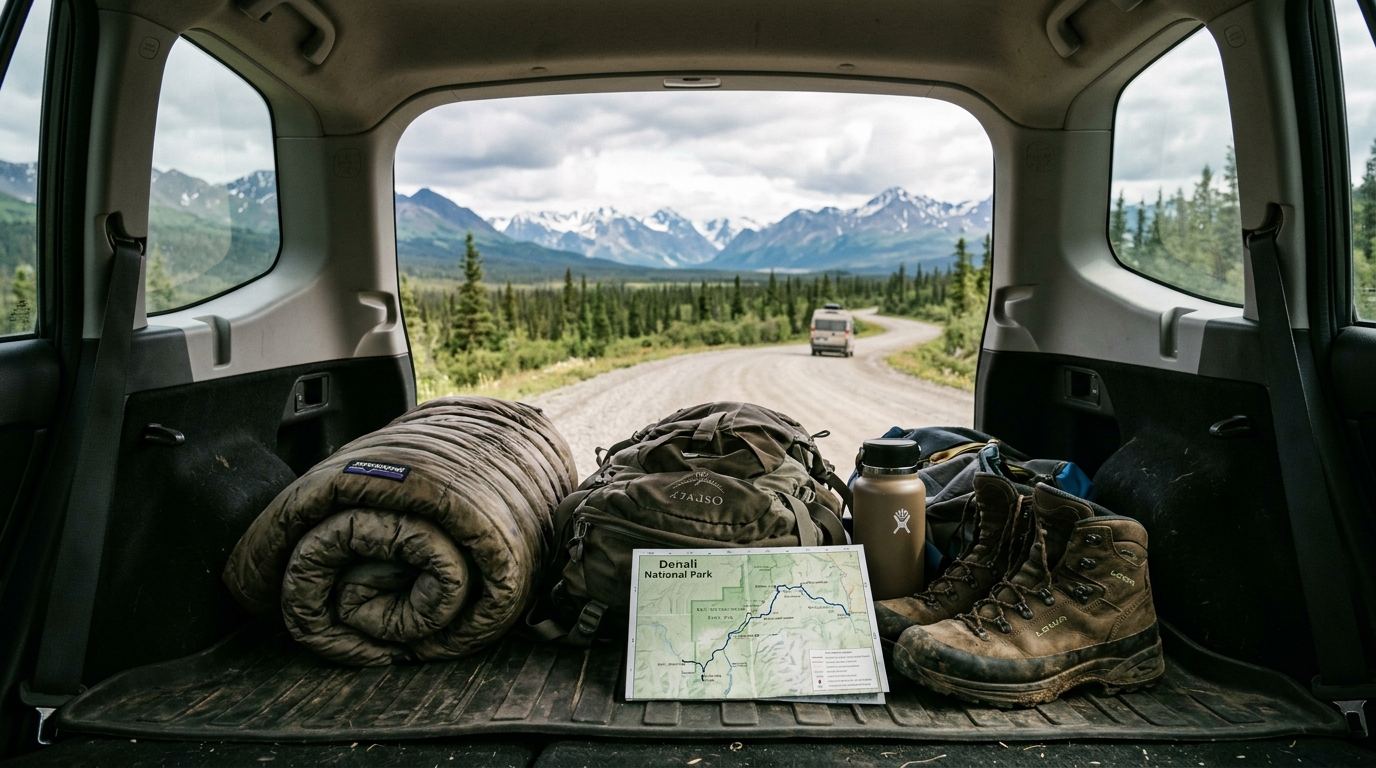
Packing for an Alaska self-drive vacation requires preparing for 40-degree temperature swings, sudden coastal downpours, and intense gravel-road conditions on the same day. Building a foolproof alaska road trip packing list for summer comes down to a strict technical layering system, robust in-cabin vehicle organization, and ditching cotton entirely so you stay warm, dry, and mobile across changing elevations and microclimates.
Most travelers either overpack heavy winter parkas or assume July weather resembles summer in the Lower 48. In reality, successful self-drive road trips demand adaptable, packable gear that transitions seamlessly from windy marine wildlife cruises to buggy interior hiking trails. If you are coordinating a route through regions like the Kenai Peninsula loop or driving north past Denali, this blueprint outlines exactly what belongs in your duffel and vehicle cabin for the 2026 travel season.
The 3-Layer Principle: Alaska Summer Weather Gear Explained
The foundation of all practical alaska summer weather gear is the three-layer modular system: base layer, mid-layer insulation, and an impenetrable outer shell. Alaska's maritime and subarctic environments mean you can easily experience a 45°F morning at a mountain pass followed by a 75°F afternoon inland near Fairbanks, only to hit a driving rainstorm on the coast a few hours later. Relying on single heavy coats or standard street clothes leads to damp chills and bulky luggage.
Understanding the role of each layer ensures you can quickly adapt at roadside scenic pullouts without unpacking your trunk:
- Base Layer (Moisture Management): Your next-to-skin layer must pull perspiration away from your body. Merino wool (150 to 200 g/m² weight) and high-performance synthetic polyester or polypropylene blends excel here. Merino naturally resists odors over multi-day wear, which cuts down on laundry. Leave all cotton shirts and denim at home; cotton absorbs water, loses all insulating value when damp, and takes hours to dry in humid coastal air.
- Mid-Layer (Thermal Insulation): This layer traps warm air generated by your body. Lightweight grid fleeces (such as Polartec Power Grid) offer high breathability during active hikes, while packable synthetic jackets (like PrimaLoft) or treated water-resistant down jackets provide high warmth-to-weight ratios when sitting on boat decks or watching wildlife. Synthetic mid-layers are generally preferred in wet coastal zones because they retain loft even if exposed to ambient moisture.
- Outer Shell (Weather Protection): Your shell must be a genuine waterproof-breathable hard shell featuring membrane technology like Gore-Tex, Pertex Shield, or eVent. It must have fully taped seams, an adjustable storm hood, and zippered underarm vents (pit zips) to dump heat while moving. Water-resistant windbreakers or fashion trench coats fail rapidly during sustained rain in Seward or Prince William Sound.
For more details on seasonal conditions across the state, review our guide to Alaska in summer.
Month-by-Month Adjustments: What to Wear in Alaska in July vs. June and August
While the core three-layer strategy remains constant, knowing what to wear in alaska in july compared to June or August requires fine-tuning your gear for distinct seasonal shifts in precipitation, insect activity, and temperature.
| Month | Primary Weather Conditions | Mosquito Density | Key Packing Adjustments |
|---|---|---|---|
| June | Lingering alpine snowpack, crisp mountain winds, increasing daylight. | Moderate to High | Windproof softshell gloves, lightweight thermal beanies, sturdy mud-resistant boots. |
| July | Warmest inland days (70°F–80°F+ in Interior), frequent coastal drizzles. | Peak | Bug head nets, high-strength repellent, UPF-rated sun hoodies, ventilated hiking pants. |
| August | Heavier coastal rainfall, cooling nights, possible high-elevation snow ("Termination Dust"). | Low to Moderate | Heavyweight rain shells, packable down mid-layers, thermal sleepwear, waterproof gloves. |
June: Managing Lingering Snow and High Windchill
June brings long daylight hours, but high mountain passes like Hatcher Pass or Thompson Pass often retain deep snowbanks alongside the highway. Morning temperatures hover around 45°F to 50°F, with brisk glacial breezes. Pack wind-resistant softshell jackets and lightweight wool gloves to stay comfortable during early-morning pullouts.
July: Inland Heat, Coastal Showers, and Peak Insects
When deciding what to wear in alaska in july, prepare for extreme contrasts. Fairbanks and the Copper River Basin frequently reach 80°F or higher, making quick-dry hiking shorts and breathable sun hoodies essential. Simultaneously, coastal towns like Seward and Homer see routine maritime mist and afternoon showers. July also coincides with peak mosquito density in low-wind tundra and forested river bottoms, requiring physical bug protection alongside warm-weather gear.
August: Shorter Days, Rainfall, and Falling Temperatures
August marks the transition toward autumn. Coastal precipitation peaks across Southcentral and Southeast Alaska. Mountain peaks receive early snow dustings, and evening temperatures drop into the low 40s or high 30s in the Interior. Swap lightweight windbreakers for robust, seam-sealed rain shells, and pack a heavier insulated jacket for late-evening aurora scanning or roadside stops.
The Master Alaska Road Trip Packing List for Summer
This master alaska road trip packing list for summer covers every technical clothing layer, waterproof garment, and personal care item required for a self-drive adventure across paved highways and gravel corridors.
For a complete breakdown of vehicle-specific gear across varied routes, check our comprehensive Alaska road trip packing list hub.
Clothing and Layering System
- 3–4 Moisture-Wicking Base Tops: Lightweight synthetic or merino wool short-sleeve and long-sleeve shirts.
- 2 Mid-Weight Thermal Tops: Merino 200g crewnecks or quarter-zips for cooler mornings.
- 1–2 Mid-Layer Jackets: One breathable grid fleece and one packable insulated synthetic or treated down jacket.
- 2–3 Technical Hiking Pants: Quick-drying nylon or spandex-blend pants with water-repellent (DWR) finish. Convertible zip-off pants work well for shifting temperatures.
- 1 Pair Thermal Base Bottoms: Lightweight merino wool or synthetic leggings for glacier boat excursions or cold camping nights.
- 5–7 Pairs Merino Wool Hiking Socks: Medium-cushion wool blends (such as Darn Tough or Smartwool) that prevent friction blisters and regulate temperature.
- 1 Warm Beanie and 1 Sun Hat: A low-profile thermal beanie for glacial breezes and a wide-brim hat or baseball cap for midnight sun glare.
- 1 Pair Lightweight Gloves: Wind-resistant fleece or softshell gloves.
Rain Gear (Non-Negotiable)
- Waterproof Rain Jacket: Minimum 10,000mm waterproof rating with fully taped seams and pit zips. Avoid rubberized non-breathable vinyl slickers that trap interior sweat.
- Waterproof Rain Pants: Lightweight, packable rain pants with ankle zips so you can pull them on over hiking boots at the first sign of a downpour.
Personal Care, Hygiene, and Skin Defense
- Broad-Spectrum Sunscreen (SPF 30+): Prolonged summer daylight exposure and intense reflection off glaciers and water can cause severe sunburns.
- SPF Lip Balm and Skin Repair Salve: Glacial winds and maritime salt air dry out skin quickly; pack rich balms for cracked knuckles and lips.
- Personal First Aid & Blister Kit: Include hydrocolloid blister bandages, ibuprofen, antiseptic wipes, motion sickness medication (vital for marine wildlife cruises in Resurrection Bay), and personal prescriptions.
Essential Items for Alaska Road Trip Vehicle Cabin and Trunk
A self-drive vacation requires keeping vital gear organized inside the car cabin rather than buried under luggage in the trunk. Having quick access to emergency tools, optical gear, and weather layers prevents unnecessary delays at roadside stops.
These essential items for alaska road trip driving keep your vehicle functional and safe on remote stretches:
- Cabin Daypack Setup: Keep a 20L to 30L backpack in the back seat containing your rain jacket, fleece mid-layer, compact binoculars, and basic first-aid supplies. This lets you jump out for short boardwalk walks or wildlife sightings without opening the trunk in the rain.
- Portable 12V Tire Inflator and Digital Pressure Gauge: Frost heaves, road construction gravel, and temperature swings cause tire pressures to fluctuate. A compact 12V inflator running off the accessory outlet saves hours if you develop a slow leak far from a service station.
- High-Capacity USB Power Banks: Prolonged photo taking, offline mapping, and GPS tracking drain smartphone batteries rapidly. Keep a 20,000mAh external battery pack charged in your vehicle.
- Offline Navigation Tools: Download offline Google Maps or offline Gaia GPS regions before leaving Anchorage or Fairbanks. Cell service drops completely along large sections of the Parks Highway, Glenn Highway, and Seward Highway.
- Soft-Sided Collapsible Cooler: Stock up on sandwich supplies, fruit, and drinks at major grocery stores in Anchorage or Wasilla before heading into remote regions where dining options are limited or hours are unpredictable.
- Bear-Safe Scent Management: Keep all food, snacks, and wrappers sealed in odor-resistant bags inside the vehicle. rarely leave open food or trash in an unlocked vehicle bed or visible through windows at trailheads.
If you are mapping out remote driving segments, review our detailed route advice in the Seward Highway guide.
Footwear and Outerwear: Surviving Coastal Rain, Gravel, and Glaciers
Your feet bear the brunt of Alaska's diverse terrain, from wet boardwalks and muddy spruce-root trails to sharp glacial moraines. Bringing the wrong shoes can compromise your entire trip.
Trail Runners vs. Hiking Boots
For most self-drive road trippers sticking to established national park trails, broken-in waterproof (Gore-Tex) trail runners offer the best balance of traction, lightweight comfort, and breathability. However, if you plan to navigate rocky moraines, wet shale, or steep backcountry paths, mid-cut waterproof hiking boots with Vibram outsoles provide essential ankle stability and prevent water intrusion when stepping into deep puddles.
The Camp and Driving Shoe Strategy
Do not spend entire driving days wearing stiff, muddy hiking boots. Pack a pair of slip-on waterproof deck boots (such as 6-inch Xtratuf ankle boots) or lightweight clogs. These are ideal for quick gas station stops, casual lodge dining, and vehicle transitions, keeping your rental car floor mats clean.
Traction on Glaciers
If you book a guided glacier walk on Matanuska or Root Glacier, your outfitter will provide specialized crampons and helmets. For unguided day hikes near icy moraine edges, standard lugged hiking soles are sufficient; rarely venture out onto active glacier ice without proper guide supervision and outfitter-provided equipment.
Wildlife Safety, Bug Defense, and Midnight Sun Gear
Outdoor gear in Alaska must account for apex predators, relentless insect hatches, and 20 hours of daylight.
Bear Safety and Spray Regulations
Bear spray is a critical deterrent across all Alaska hiking corridors. The National Park Service (NPS) advises carrying bear spray readily accessible on your belt or chest holster rather than buried inside a backpack. However, you cannot fly with it in carry-on baggage, and the Transportation Security Administration (TSA) strictly prohibits bear spray from commercial passenger cabins and places severe restrictions on checked luggage. Purchase or rent your 10.2-ounce canister at an outdoor retailer in Anchorage or Fairbanks immediately after picking up your rental vehicle.
Read our dedicated guide on wildlife safety in Alaska for full protocol on handling moose and bear encounters on the road.
Insect Defense Systems
Alaska mosquitoes can penetrate thin leggings and single-layer shirts. Arm yourself with physical and chemical barriers:
- Bug Head Net: A lightweight mesh head net weighs under two ounces and costs very little, but it provides instant relief when walking through interior forests or tundra bog environments.
- Picaridin or 20–30% DEET: As recommended by the Centers for Disease Control and Prevention (CDC), EPA-registered active ingredients like Picaridin provide effective protection against biting flies and mosquitoes without damaging synthetic technical fabrics or camera optics, unlike high-concentration DEET.
- Permethrin Pre-Treatment: Treat your hiking pants, outer jackets, and socks with permethrin spray before your trip to create an insect barrier that lasts through multiple washings.
For advanced strategies, read our expert overview on how to manage mosquitoes on your Alaska road trip.
Midnight Sun Sleeping Kit
Interior Alaska experiences continuous daylight throughout June and July. Many historic roadhouses and remote cabins feature thin window coverings that let in bright light all night long. Pack a contoured, 3D eye mask that blocks light without pressing against your eyelids, along with a travel sound machine or earplugs to ensure quality sleep.
Optics and Glare Protection
Wildlife viewing requires quality glass. An 8x42 or 10x42 pair of binoculars offers the optimal balance of magnification and field of view for scanning mountainsides for Dall sheep or coastlines for sea otters. Polarized sunglasses are essential to cut harsh glacial reflection and spot marine life through water surfaces.
Luggage Logistics: Soft Duffels vs. Hard Shell Suitcases for Road Trippers
Packing for a multi-stop road trip requires a very different luggage strategy than packing for a single-resort vacation. You will be loading and unloading your vehicle every one to two nights across diverse accommodations.
- Soft-Sided Water-Resistant Duffels: Rigid hardshell roller bags take up fixed space and do not compress, making them difficult to fit into standard rental sedans or compact SUVs when traveling with 2–4 people. Soft-sided 60L to 90L duffels (such as the Patagonia Black Hole or The North Face Base Camp) squeeze effortlessly into irregular trunk spaces.
- Color-Coded Compression Packing Cubes: Organize your duffels by item category (e.g., base layers in green, insulation in blue, rain gear in orange). This eliminates the need to unpack your entire bag inside a small lodge room for an overnight stay.
- Mid-Trip Laundry Planning: To avoid overpacking, build your wardrobe around a 5- to 7-day clothing rotation and plan a mid-trip wash. Laundromats are easily accessible in gateway communities like Seward, Talkeetna, and Fairbanks.
- Heavy-Duty Wet Bags: Bring two 20L dry bags or heavy contractor trash bags to store wet rain gear and muddy boots inside your car, avoiding expensive rental vehicle cleaning fees.
Top Alaska Road Trip Packing Mistakes to Avoid
Even experienced travelers make critical gear mistakes when visiting Alaska for the first time. Avoiding these common pitfalls will keep your journey smooth and comfortable:
- Relying on Cotton Hoodies and Jeans: Heavy cotton absorbs damp ocean mist and sweat, takes days to dry, and creates a risk of hypothermia if wind picks up. Stick entirely to synthetic and merino wool garments.
- Skipping Rain Pants: Many travelers pack a high-end rain jacket but leave rain pants behind. When sustained coastal rain hits, your hiking pants will soak through in minutes, transferring freezing water straight into your socks and boots.
- Overpacking for Fancy Dinners: Alaska dining culture is universally casual. Clean hiking pants, a smart fleece or wool sweater, and clean deck boots are standard attire at even high-end seafood establishments. Leave formal wear and high heels at home.
- Packing Bear Spray in Checked Luggage: Attempting to fly with bear spray will result in TSA confiscation and potential baggage delays. Buy or rent it locally upon arrival.
- Failing to Account for Daily Microclimates: Packing for one flat forecast leads to being unprepared when driving over elevated mountain passes or transitioning from the dry Interior to the wet coast.
Eliminating these packing mistakes is simple when you know the exact route, daily elevation profiles, and lodge amenities ahead of time. When you use Alaska Road Trip to plan your vacation, you receive a custom day-by-day itinerary hand-built by a named founder who has driven thousands of Alaska miles across multiple seasons. Alaska Road Trip hand-picks lodging and gives you direct booking links, but you book it yourself — it does not make reservations on your behalf, so you keep full control and flexibility. Your custom route blueprint includes precise drive times, current seasonal road realities, and destination-specific packing guidance for every single stop.
Frequently Asked Questions
Do I really need rain pants for a summer Alaska road trip?
Yes. Rain pants are essential gear, particularly along coastal corridors like Seward, Whittier, Homer, and Valdez. Wind-driven rain quickly penetrates standard hiking pants, soaking your legs and running down into your waterproof boots. Packable, lightweight waterproof pants with side zippers allow you to pull them on over your hiking trousers during sudden downpours, keeping you warm and dry.
Can I pack bear spray in my checked luggage on a flight to Alaska?
No. The TSA strictly prohibits bear deterrent spray in passenger carry-on luggage, and commercial airlines restrict or outright ban bear spray canisters in checked baggage due to the high volume of pressurized propellant. Plan to buy or rent your bear spray at an outdoor retailer in Anchorage or Fairbanks upon arrival, and dispose of or donate it locally before your return flight.
What shoes are best for an Alaska self-drive vacation?
The best footwear setup is a two-shoe rotation: one pair of broken-in waterproof (Gore-Tex) trail runners or mid-cut hiking boots with aggressive tread for hikes, and one pair of slip-on waterproof deck boots (such as ankle Xtratufs) for driving days, gas stops, and casual evening wear around lodges and coastal towns.
How cold does it actually get in Alaska during July and August?
July is typically Alaska's warmest month, with Interior daytime temperatures reaching 70°F to 80°F+ in Fairbanks. However, coastal mornings in Seward or glacier day tours routinely drop to 45°F to 55°F with brisk ocean winds. In August, temperatures cool statewide, with daytime averages around 55°F to 65°F and overnight lows dropping into the 30s and 40s in high-elevation passes and northern valleys.
Ready to hit the road without the stress of guessing driving times, road closures, and daily gear requirements? Explore Alaska Road Trip's custom itinerary packages (starting at a flat one-time fee of a measurable budget with a published 14-day money-back guarantee) to get a day-by-day, offline-ready route hand-built by a founder who has driven the routes.
See a real Alaska itinerary before you spend a dollar
A real 3-day plan with driving times, lodging picks, and a daylight chart — free, in your inbox.
One email. No spam. Unsubscribe anytime. Or view it right now — no email needed ↗
Ready for the full plan? Get your custom itinerary — from $197 · 5-day delivery →