For many travelers, a soak in a geothermal pool is the ultimate way to unwind after a long day of exploring the Last Frontier. While developed resorts offer easy access and modern amenities, the true adventurer craves something far more wild. Seeking out an alaska hidden hot springs destination allows you to experience the raw, untouched beauty of the North in its purest form. Far beyond the gravel parking lots and manicured paths of commercial resorts, these undeveloped thermal pools require effort, planning, and a spirit of adventure to reach. In this comprehensive guide, we will explore five of the best natural, undeveloped hot springs in Alaska, detailing how to get there, what to expect, and how to prepare for a safe wilderness soak.
As you plan your 2026 travels, incorporating these remote gems into your itinerary can transform a standard vacation into an unforgettable expedition. However, navigating the Alaskan backcountry to find these thermal sanctuaries requires careful preparation. From understanding trail conditions to packing the right gear, this guide serves as your roadmap to the most secluded soaking spots in the state.
The Geothermal Wonders of the Last Frontier
Alaska is a land defined by dramatic geological forces. Positioned along the volatile Pacific Ring of Fire, the state is home to active volcanoes, tectonic fault lines, and intense geothermal activity. According to the Alaska Division of Geological & Geophysical Surveys, Alaska contains dozens of thermal springs, many of which remain completely undeveloped and hidden within vast tracts of public land. Unlike the famous Chena Hot Springs near Fairbanks, which features a fully developed resort, indoor pools, and an ice museum, these wild pools offer no such luxuries. There are no changing rooms, no lifeguards, and no snack bars—just warm, mineral-rich water surrounded by pristine wilderness.
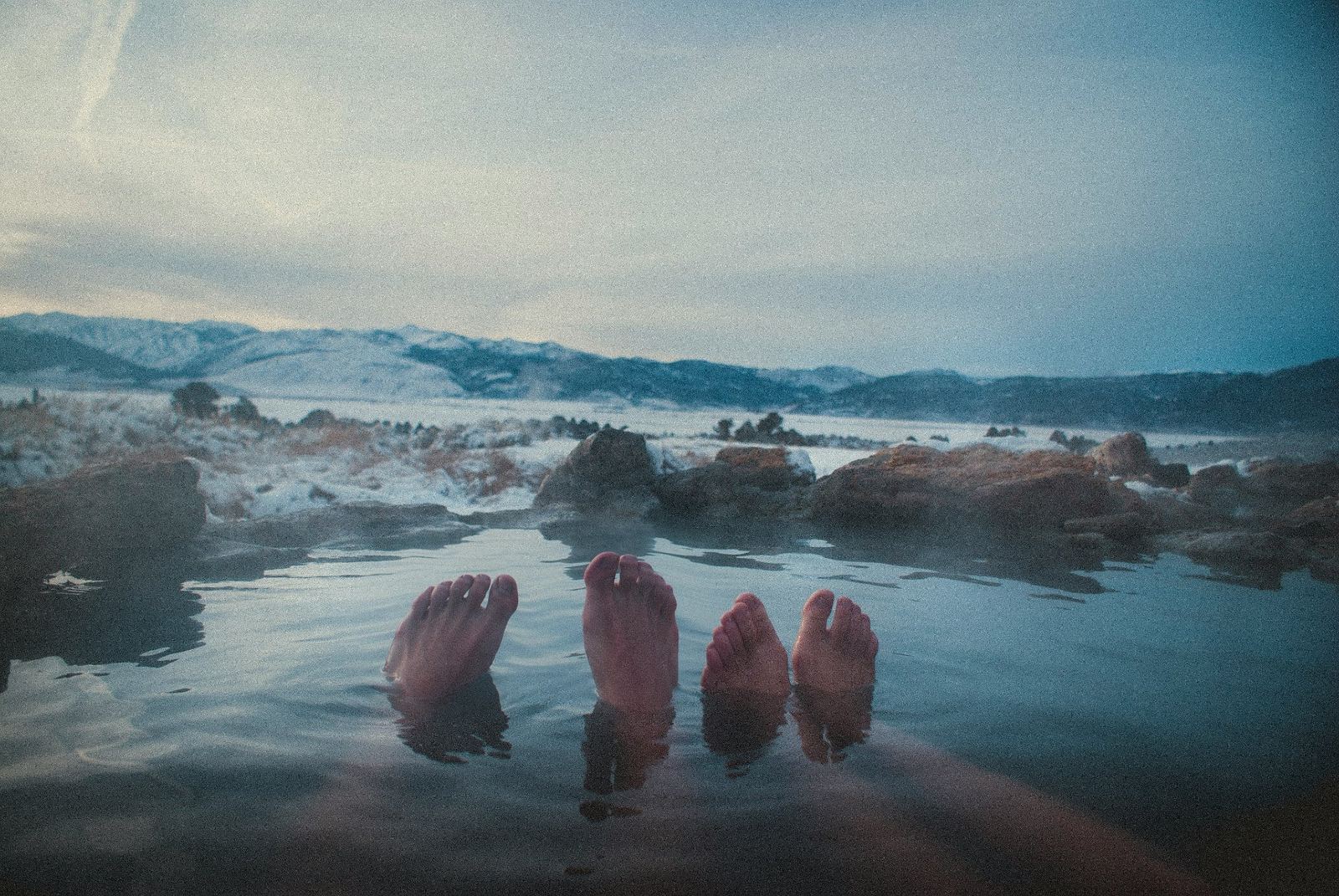
The appeal of an alaska hidden hot springs adventure lies in this complete lack of development. Soaking in a natural rock pool while listening to the wind rustle through the boreal forest or watching the mist rise off a glacial river is a transformative experience. However, the lack of infrastructure also means that visitors must assume all responsibility for their safety, navigation, and environmental impact. Before setting out, it is crucial to consult a comprehensive Alaska road trip planner to understand the vast distances and logistical challenges of traveling through the state.
1. Tolovana Hot Springs: The Ultimate Backcountry Trek
If you are searching for an authentic alaska hidden hot springs experience that tests your physical endurance, Tolovana is the gold standard. Located approximately 45 miles northwest of Fairbanks, Tolovana Hot Springs is tucked away in the rugged hills of the Tanana Valley. Because there are no roads leading directly to the springs, visitors must earn their soak by hiking, skiing, or snowshoeing in.
The Trail and Logistics
The primary route to Tolovana is the Dome Creek Trail, an 11-mile trek that begins near milepost 93 of the Elliott Highway. This trail is not for the faint of heart. It features significant elevation gain and loss as it climbs over Tolovana Dome before descending into the valley where the springs are located. In the summer, the trail can be incredibly muddy, wet, and plagued by swarms of mosquitoes. In the winter, it becomes a popular route for cross-country skiers and dog mushers, though extreme cold temperatures (often dropping below -30°F) present their own set of challenges.
The Soaking Experience
Upon arriving at Tolovana, you will find a series of natural hot tubs built into the hillside. The water emerges from the ground at temperatures exceeding 140°F, but it is channeled into wooden and stone tubs where cold creek water can be added to regulate the temperature to a comfortable 100°F to 105°F. The mineral content is low in sulfur, meaning you won't have to contend with the strong "rotten egg" smell common at other geothermal sites. There are also a few rustic, privately owned cabins available for rent near the springs, which must be booked well in advance for the 2026 season.
2. Baranof Warm Springs: A Coastal Rainforest Oasis
Located on the eastern shore of Baranof Island in Southeast Alaska, Baranof Warm Springs offers a starkly different environment than the interior boreal forests. This alaska hidden hot springs gem is cradled by a lush, temperate rainforest and sits immediately adjacent to a roaring, glacial-fed waterfall. It is one of the most visually spectacular thermal pools in North America.
Accessing the Island
Baranof Warm Springs is entirely inaccessible by road. To reach this remote paradise, you must charter a floatplane or take a boat from the town of Sitka, which lies about 20 air miles to the west. The journey itself is a breathtaking flight over jagged peaks, alpine lakes, and deep fjords. Because of the coastal weather patterns in Southeast Alaska, flights are frequently delayed by fog and rain, so flexibility is essential when planning this trip.
The Soaking Experience
Once you arrive at the small boardwalk community of Baranof, a short, quarter-mile hike through giant sitka spruces leads you to the natural pools. The primary natural pool is situated directly on the edge of the rushing Baranof River, offering a dramatic contrast between the hot, soothing thermal water and the cold, thunderous spray of the adjacent waterfall. The water temperature in the natural pools averages around 105°F. For those who prefer a more sheltered soak, there is also a communal bathhouse maintained by local volunteers, featuring deep tubs with views of the bay. The surrounding area is managed as part of the Tongass National Forest, and visitors can learn more about local land guidelines from the U.S. Forest Service.
3. Serpentine Hot Springs: Granite Tors and Ancient History
For the ultimate wilderness expedition, Serpentine Hot Springs represents the pinnacle of alaska hidden hot springs exploration. Located within the remote Bering Land Bridge National Preserve on the Seward Peninsula, Serpentine has been used for centuries by the Inupiat people for its healing properties and spiritual significance.
A Geological Wonderland
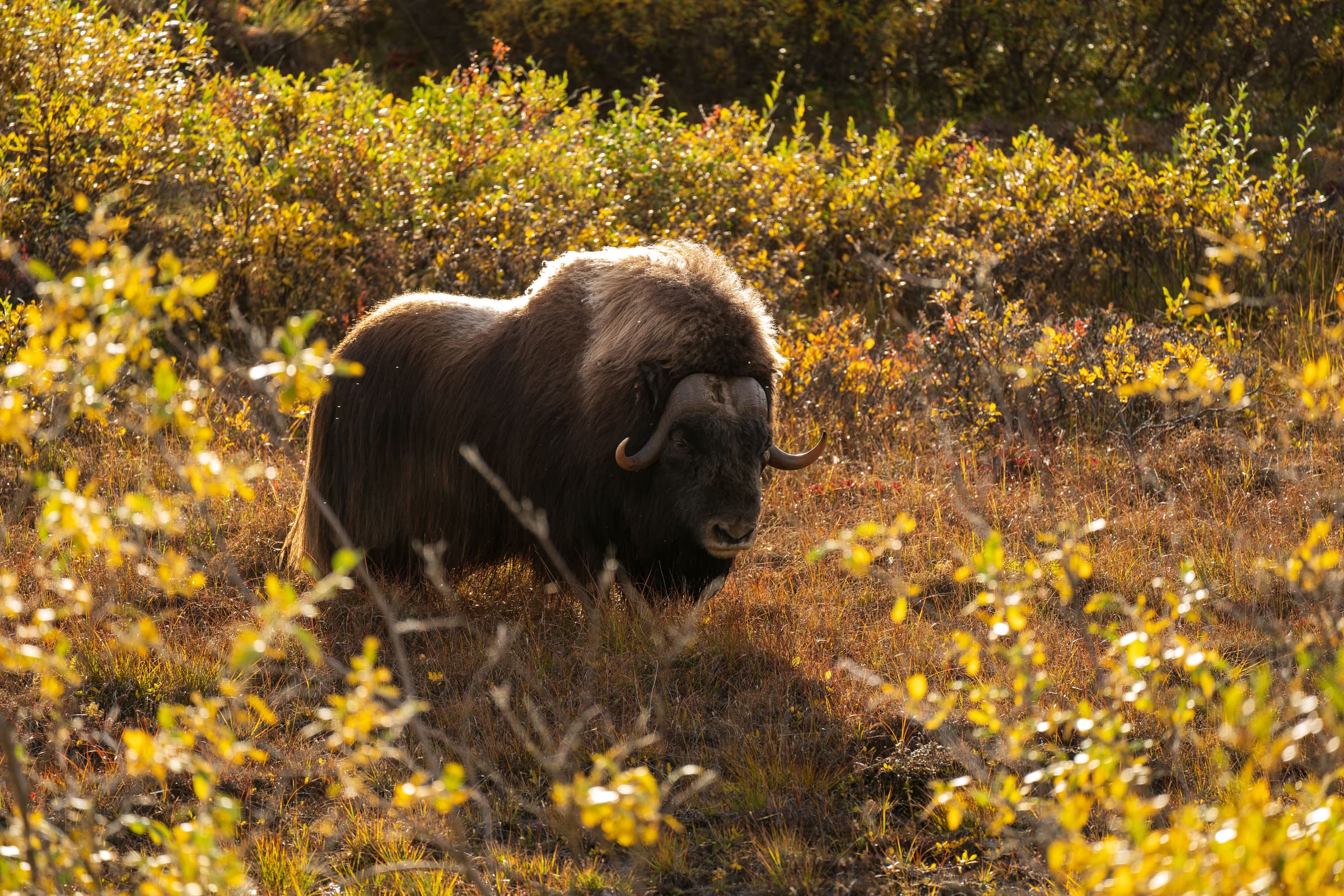
What makes Serpentine Hot Springs truly unique is its surrounding landscape. The thermal pools are nestled in a valley filled with massive, wind-carved granite spires known as tors. These dramatic rock formations rise abruptly from the tundra, creating an eerie, otherworldly atmosphere. The area is also home to diverse wildlife, including reindeer, muskoxen, and grizzly bears.
Getting to Serpentine
Reaching Serpentine Hot Springs requires significant effort and expense. Most visitors fly into Nome or Kotzebue and then charter a small bush plane to land on the primitive dirt airstrip near the springs. During the winter, some adventurous souls make the journey via snowmachine. The National Park Service maintains a basic, public-use bunkhouse and a small bathhouse over the main spring, but visitors must bring all of their own food, fuel, sleeping gear, and emergency supplies. There are no services of any kind within hundreds of miles.
4. Goddard Hot Springs: Historic Coastal Soaking
Another coastal treasure on Baranof Island, Goddard Hot Springs is located about 16 miles south of Sitka. Historically, Goddard was the site of a bustling resort in the early 20th century, and before that, it was used by local Tlingit clans for generations. Today, the resort is long gone, and the site has returned to a mostly wild state, managed by the City and Borough of Sitka.
Navigating the Waterways
Goddard Hot Springs is accessible only by boat or floatplane. Kayakers occasionally make the journey from Sitka, though this requires navigating open ocean waters and should only be attempted by highly experienced paddlers. The springs are located in a sheltered bay, making it a popular anchorage for local fishermen and recreational boaters.
The Soaking Experience
The city has constructed two open-air cedar bathhouses over the natural hot springs, which sit on a grassy meadow overlooking the ocean. The water is highly mineralized and emerges at temperatures up to 120°F, though it can be cooled down in the tubs. Soaking in the warm water while watching the tide roll in across the rocky shoreline is an incredibly peaceful experience. Because Goddard is relatively accessible by boat from Sitka, it is busier than some of the other springs on this list, but it still offers a far more intimate connection with nature than any developed resort.
5. Kanuti Hot Springs: The Wild Dalton Highway Challenge
For those embarking on a rugged northern road trip, Kanuti Hot Springs offers the ultimate alaska hidden hot springs challenge. Located near the Arctic Circle, deep within the Kanuti National Wildlife Refuge, these springs are completely wild, undeveloped, and exceptionally difficult to reach.
The Ultimate Bushwhack
The springs lie approximately 12 miles west of the Dalton Highway, near milepost 103. However, there are no trails, signs, or markers leading to them. Reaching Kanuti Hot Springs requires a grueling multi-day bushwhack through dense alder thickets, muskeg swamps, and river crossings, or a complex packrafting expedition down the Kanuti River. This journey should only be attempted by expert navigators with advanced wilderness survival skills.
The Soaking Experience
Those who successfully navigate the wilderness to Kanuti will find a series of shallow, natural pools along the banks of the Kanuti River. The hot water bubbles up through the gravel riverbed, mixing with the cold river water to create pockets of comfortable soaking temperatures. There are absolutely no facilities here, and you are highly likely to have the entire area to yourself. It is a place of profound silence, vast skies, and raw, untamed nature.
Essential Safety and Preparation for Wild Soaks
Visiting an undeveloped alaska hidden hot springs is a thrilling adventure, but it carries inherent risks. Unlike commercial pools, wild thermal springs are not monitored for water quality, temperature, or safety hazards. To ensure a safe and enjoyable trip, keep the following guidelines in mind:
- Test the Water First: Geothermal water can be scalding hot. It is wise to carefully check the water temperature before entering any natural pool, as geothermal temperatures can fluctuate dramatically and can cause serious burns if too hot.
- Beware of Pathogens: Natural hot springs can harbor harmful bacteria and amoebas, such as Naegleria fowleri. Standard backcountry safety recommendations from the Centers for Disease Control and Prevention suggest keeping your head above water and avoiding splashing or diving to minimize exposure.
- Pack Out All Trash: These fragile ecosystems are easily damaged by human impact. According to the Leave No Trace Center for Outdoor Ethics, visitors should pack out all waste and keep soap—even biodegradable varieties—completely out of natural water sources.
- Wildlife Awareness: Many of these springs are located in active bear country. Warm water and lush vegetation often attract wildlife. Always carry bear spray, know how to use it, and consult an Alaska wildlife safety guide before your trip.
- Pack the Right Gear: Remote trips require specialized gear. In addition to your swimsuit, ensure you have a robust Alaska road trip packing list that includes high-quality rain gear, sturdy hiking boots, a satellite communicator (like a Garmin inReach), and water filtration systems.
Comparing Alaska's Hidden Hot Springs
To help you decide which of these incredible destinations fits your travel style and physical capabilities, we have compiled a quick comparison of their key features:
| Hot Spring | Region | Accessibility | Difficulty | Key Feature |
|---|---|---|---|---|
| Tolovana | Interior | 11-mile hike / ski | Strenuous | Hillside tubs, rental cabins |
| Baranof | Southeast | Floatplane / Boat | Moderate | Waterfall views, rainforest setting |
| Serpentine | Seward Peninsula | Charter Flight | Extreme | Granite tors, cultural history |
| Goddard | Southeast | Boat / Kayak | Moderate | Coastal bathhouses, ocean views |
| Kanuti | Arctic / Dalton | Bushwhack / Packraft | Extreme | Complete isolation, riverbed pools |
Frequently Asked Questions
Are these alaska hidden hot springs safe to bathe in?
While many people soak in these natural pools without issue, they do carry risks. Wild hot springs are not treated with chlorine or other disinfectants, meaning they can contain naturally occurring bacteria, algae, and amoebas. Additionally, water temperatures can fluctuate rapidly and reach dangerous levels. Standard safety practices suggest testing the water before entry, keeping your head above water, and staying hydrated.
Do I need a permit to visit these natural pools?
Generally, you do not need a permit to visit the hot springs themselves, as they are located on public lands managed by the National Park Service, U.S. Forest Service, or the state. However, if you plan to camp overnight, stay in public-use cabins (such as those at Tolovana or Serpentine), or access private property, you may need to secure reservations or permits in advance. often consult the appropriate land management agency—such as the National Park Service or the U.S. Forest Service—for the most up-to-date regulations before your trip.
What is the best time of year to visit wild hot springs in Alaska?
The best time to visit depends on the location and how you plan to get there. For interior springs like Tolovana, late winter and early spring (March and April) are highly popular because the trails are frozen and packed, making travel easier, and the contrast between the freezing air and hot water is spectacular. For coastal springs like Baranof and Goddard, the summer months (June through August) offer the most reliable weather for boat and floatplane travel.
Can I drink the water from natural hot springs?
No, drinking untreated water from geothermal springs is highly discouraged. The water often contains high concentrations of dissolved minerals, heavy metals, and potential pathogens that can cause severe gastrointestinal illness or toxicity. According to water safety guidelines from the Centers for Disease Control and Prevention, travelers should always carry plenty of fresh drinking water or use a high-quality water filter on nearby cold-water streams.
Start Planning Your Alaskan Adventure
Exploring the wild, undeveloped thermal pools of the Last Frontier is a bucket-list experience that requires careful coordination and local expertise. Whether you want to hike through the boreal forest to Tolovana or fly over the fjords to Baranof, we can help you design the perfect journey. Let us take the stress out of logistics, route planning, and safety preparation. Contact us today to explore our custom Alaska travel itineraries and start planning your ultimate 2026 Alaskan road trip.
See a real Alaska itinerary before you spend a dollar
A real 3-day plan with driving times, lodging picks, and a daylight chart — free, in your inbox.
One email. No spam. Unsubscribe anytime. Or view it right now — no email needed ↗
Ready for the full plan? Get your custom itinerary — from $197 · 5-day delivery →