Alaska is synonymous with untamed wilderness. It is a vast, rugged landscape where nature still reigns supreme, offering an unparalleled sanctuary for some of the most magnificent creatures on earth. If you are planning a journey north, you are likely wondering about the best places to see wildlife in Alaska. From towering grizzly bears and massive bull moose to soaring bald eagles and breaching humpback whales, the Last Frontier is arguably the richest region in North America for wildlife enthusiasts.
Unlike a traditional zoo or a fenced reserve, Alaska offers the thrill of the wild. The animals here roam freely across millions of acres of protected national parks, dense boreal forests, and icy coastal waters. A road trip is the perfect way to experience this biodiversity, giving you the freedom to pull over, set up your spotting scope, and marvel at nature on your own schedule. In this comprehensive guide, we will explore the top regions, essential viewing tips, and safety protocols to ensure your Alaskan wildlife adventure is both spectacular and safe.
The Crown Jewel: Denali National Park
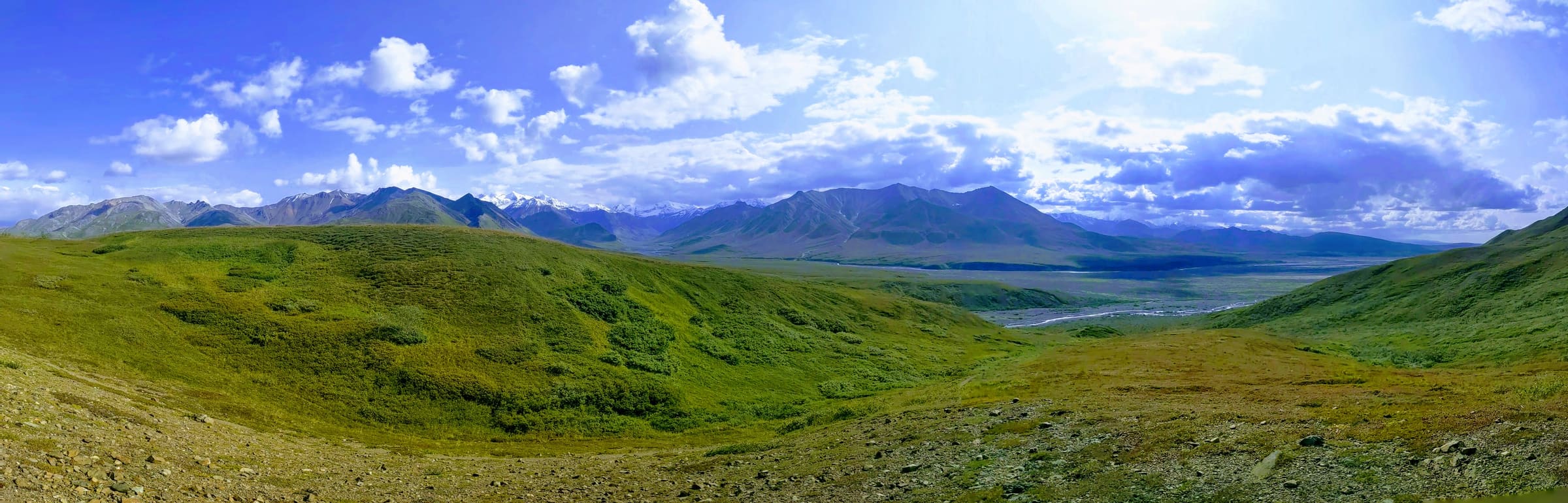
Denali National Park and Preserve is arguably the most famous destination in the state, and for good reason. Spanning over six million acres of pristine wilderness, it is a sanctuary for the "Big Five" of Alaskan wildlife: moose, caribou, Dall sheep, wolves, and the iconic grizzly bear. When you are driving the single road that penetrates this massive park, every turn offers a new opportunity for discovery.
The first fifteen miles of the park road are open to private vehicles, providing excellent opportunities to spot moose foraging in the taiga forests or bald eagles soaring overhead. Beyond mile fifteen, you will need to board one of the park's transit or tour buses. This restricted access minimizes human impact and ensures that the animals remain wild and visible. Keep your binoculars ready as you traverse Polychrome Pass and Sable Pass, areas renowned for grizzly bear sightings. The bears are often seen foraging for berries on the tundra or digging for ground squirrels. If you are traveling from the state's largest city, driving from Anchorage to Denali is a spectacular journey in itself, offering numerous pull-offs where you might spot wildlife before even entering the park boundaries.
Marine Marvels: The Kenai Peninsula
The Kenai Peninsula is frequently referred to as "Alaska in miniature" because it encompasses nearly every type of landscape found in the state—from ice-capped mountains and deep fjords to dense forests and coastal wetlands. This incredible diversity makes it one of the absolute best places to see wildlife in Alaska, particularly if you are interested in marine life.
Coastal towns like Seward and Homer serve as gateways to incredible aquatic ecosystems. In Resurrection Bay and Kenai Fjords National Park, you can take boat tours to witness humpback whales breaching, orcas hunting in pods, and massive colonies of Steller sea lions basking on rocky outcrops. The waters are also teeming with playful sea otters and harbor seals resting on floating icebergs. Inland, the Kenai National Wildlife Refuge offers nearly two million acres of protected habitat. Here, you can hike or paddle while keeping an eye out for brown bears fishing for salmon in the Russian River, or massive bull moose wading through marshy ponds. For road trippers, exploring the Kenai Peninsula loop provides endless opportunities to pull over and marvel at the natural world.
Accessible Wilderness: Turnagain Arm and the Seward Highway
You do not have to venture far from civilization to experience Alaska's wild side. Just south of Anchorage lies Turnagain Arm, a spectacular waterway flanked by the towering Chugach Mountains. The drive along this stretch is world-renowned, and driving the scenic Seward Highway is a must-do for any wildlife enthusiast.
One of the most sought-after sightings here is the endangered Cook Inlet beluga whale. These striking white whales can often be seen chasing salmon runs during the incoming tide. Beluga Point, a designated pull-off, offers interpretive signs and excellent vantage points. Look up from the water to the steep, rocky cliffs above the highway, and you are highly likely to spot Dall sheep. These nimble white sheep navigate the precipitous terrain with astonishing ease. Bald eagles are also a common sight, often perched in the dead branches of Sitka spruce trees along the shoreline, scanning the water for their next meal.
The Far North: The Dalton Highway and the Arctic
For the truly adventurous road tripper, heading north into the Arctic region offers a wildlife viewing experience unlike any other. The Dalton Highway stretches 414 miles from just north of Fairbanks all the way to Deadhorse near the Arctic Ocean. This remote, rugged road cuts through the boreal forest, crosses the Arctic Circle, and traverses the Brooks Range before spilling out onto the vast North Slope.
This is the domain of the hardiest animals on earth. Here, you can witness massive herds of caribou migrating across the tundra, a spectacle that echoes the great migrations of Africa. It is also one of the few places where you might spot the prehistoric-looking muskox, with its long, shaggy coat and curved horns. Arctic foxes, wolves, and even the elusive wolverine roam this unforgiving landscape. Because of the extreme isolation and challenging driving conditions, navigating the Dalton Highway requires meticulous preparation, but the reward is unparalleled access to some of the most untouched wilderness in North America.
Expert Tips for Wildlife Viewing on Your Road Trip
Knowing the best places to see wildlife in Alaska is only half the battle; knowing how to look is equally important. Wildlife viewing requires patience, the right equipment, and an understanding of animal behavior.
- Timing is Everything: Most animals are crepuscular, meaning they are most active during the dawn and dusk hours. During the peak of summer, when Alaska experiences the Midnight Sun, "dusk" and "dawn" can stretch late into the night and early into the morning, giving you extended windows for observation. Midday is often the quietest time, as animals bed down to rest and escape the heat.
- Invest in Good Optics: A high-quality pair of binoculars or a spotting scope is essential. Alaska's landscapes are vast, and animals are often spotted at a considerable distance. For photographers, a telephoto lens (at least 300mm, preferably 500mm or more) is necessary to capture detailed shots without approaching the animals.
- Use the Scan and Focus Technique: Instead of looking for a whole animal, scan the landscape for anomalies—a patch of brown on a green hillside, a flash of white in the brush, or a horizontal shape in a vertical forest.
- Listen Closely: Turn off your car engine when you pull over. The crack of a branch might reveal a moose in the brush, and the sharp whistle of a hoary marmot can alert you to predators in the area.
Staying Safe Around Alaskan Wildlife
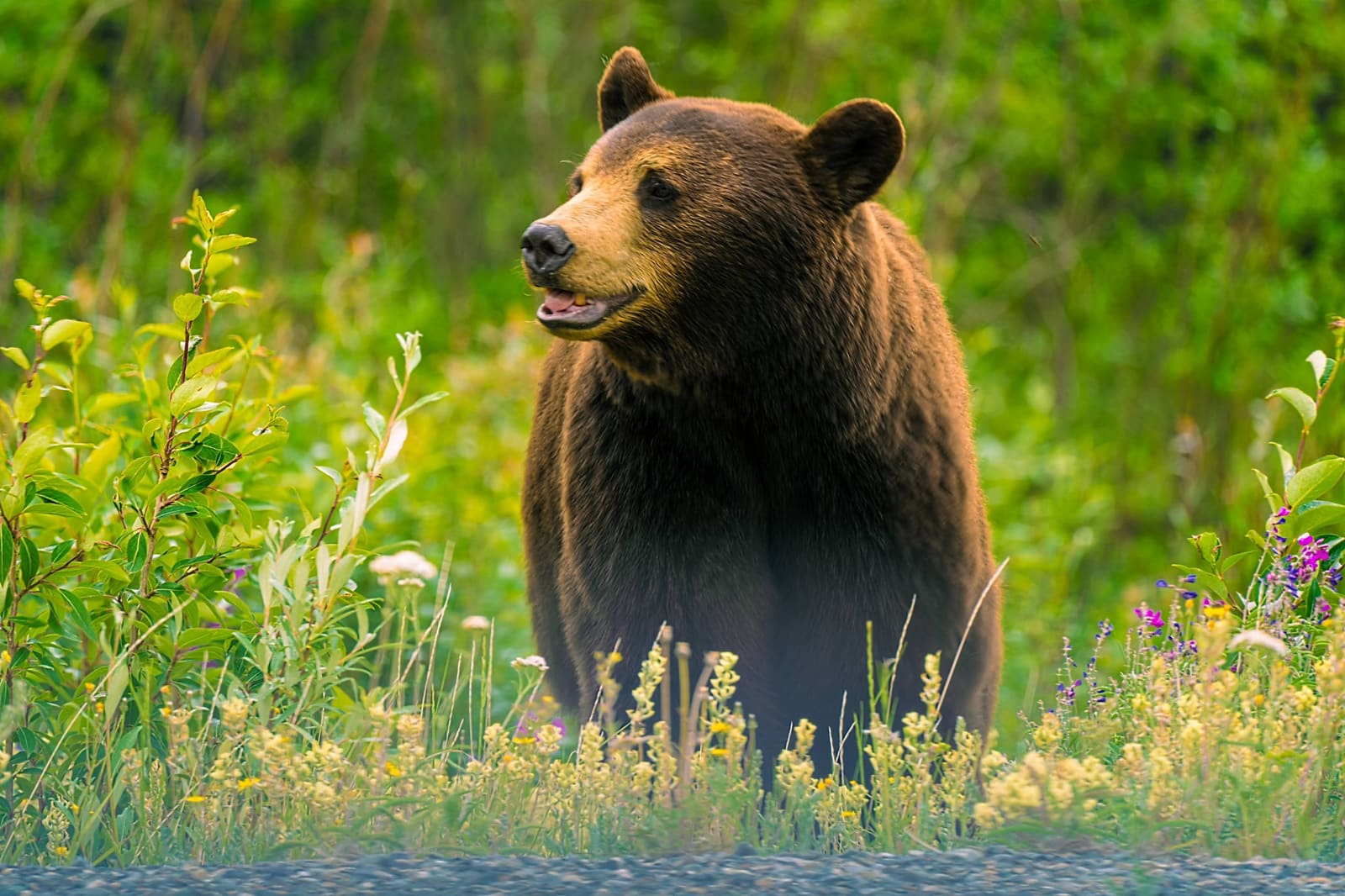
While encountering wildlife is a highlight of any Alaskan road trip, it is crucial to prioritize safety for both yourself and the animals. Alaska is bear country, home to both black bears and brown (grizzly) bears. Always carry bear spray, know how to use it, and make noise while hiking to avoid surprising an animal.
Never approach wildlife. The National Park Service recommends maintaining a distance of at least 100 yards (the length of a football field) from bears and wolves, and at least 25 yards from all other wildlife, including moose and caribou. Moose, in particular, can be highly aggressive, especially cows with calves or bulls during the fall rut. If an animal changes its behavior because of your presence, you are too close. For a comprehensive understanding of how to protect yourself and the local fauna, be sure to review essential wildlife safety in Alaska before you set out.
Frequently Asked Questions
What is the best month to see wildlife in Alaska?
The summer months, from late May through early September, are generally the best times for wildlife viewing. During this window, migratory birds have returned, bears are out of hibernation and actively foraging or fishing for salmon, and marine mammals are abundant in the coastal waters. Late August and early September are particularly good for spotting bears at salmon streams and witnessing the caribou migration.
Can I see polar bears on a standard Alaska road trip?
No, polar bears cannot be seen on a standard road trip. They inhabit the extreme northern coastal regions of Alaska, such as Kaktovik and Utqiagvik (Barrow). These areas are not accessible by the contiguous road system and require booking a specialized fly-in tour from Fairbanks or Anchorage.
Do I need to hire a guide to see wildlife?
While you do not strictly need a guide, hiring one can significantly enhance your experience. Professional guides know the local terrain, understand animal behavior and seasonal movements, and have trained eyes for spotting wildlife that the average visitor might miss. However, by driving the routes mentioned in this guide and practicing patience, independent travelers have excellent chances of seeing a wide variety of animals.
Start Planning Your Wild Alaskan Adventure
Alaska offers a wildlife viewing experience that is truly second to none. From the towering peaks of Denali to the deep, glacier-carved fjords of the Kenai Peninsula, every mile of your road trip holds the promise of a once-in-a-lifetime encounter. Whether you are watching a grizzly bear pluck a salmon from a rushing river, marveling at a moose grazing in a quiet pond, or listening to the blow of a humpback whale, these moments will stay with you long after you return home. If you are ready to turn your dream of exploring the Last Frontier into a reality, we are here to help. Plan your custom Alaska travel itinerary with us today, and let us help you map out the perfect route to discover the best places to see wildlife in Alaska.
See a real Alaska itinerary before you spend a dollar
A real 3-day plan with driving times, lodging picks, and a daylight chart — free, in your inbox.
One email. No spam. Unsubscribe anytime. Or view it right now — no email needed ↗
Ready for the full plan? Get your custom itinerary — from $197 · 5-day delivery →