You’ve spent weeks, maybe months, planning your Alaska road trip for 2026. You’ve mapped out routes, considered lodging, and thought about all the incredible sights you’ll see. But what about that perfect souvenir? The kind that truly captures the spirit of Alaska, not a mass-produced trinket that could have come from anywhere?
The truth is, it’s easy to fall into the trap of buying a "Made in China" totem pole at a gas station. It looks Alaskan, sure, but it can be a missed opportunity to bring home something genuinely meaningful. This guide is for first-time and second-time visitors, couples, families, and retirees who want to ensure their keepsakes are as authentic as the landscapes they’ve explored. This guide will help you navigate the world of authentic Alaskan art, ensuring your souvenirs are not only beautiful but also ethically sourced and culturally significant.
Bringing home a piece of authentic Alaskan art means supporting local artists, preserving cultural traditions, and owning a story, not just an object. It’s an investment in a memory, a connection to the land and its people, far more valuable than any generic curio.
Identifying Authentic Alaskan Art: Beyond the Tourist Trap
The first step to acquiring genuine Alaskan art is understanding what makes it authentic. This isn't just about where it was made, but who made it and the materials used. Alaska Native art, in particular, carries deep cultural significance and often represents generations of traditional knowledge and skill.
Alaska Native-Made vs. Made in Alaska
- Alaska Native-Made: This designation is crucial. It means the art was created by an Alaska Native artist, often using traditional techniques and materials passed down through generations. These pieces are typically accompanied by a tag or certificate of authenticity, sometimes even a signature or artist's story. The federal Indian Arts and Crafts Act of 1990 protects the integrity of Native American art and craftwork, making it illegal to market products as "Indian-made" when they are not.
- Made in Alaska: This label indicates the item was produced within the state of Alaska, but not necessarily by an Alaska Native artist. While still supporting local economies, it doesn't carry the same cultural weight or traditional craftsmanship as Alaska Native-made items. These can be high-quality, locally produced goods, but it's important to understand the distinction if your goal is culturally significant art.
Common Materials and Techniques
Authentic Alaskan art utilizes a range of natural materials, often reflecting the environment and resources available to the artists. Look for:
- Wood Carvings: Often made from cedar, spruce, or alder, depicting animals, masks, or traditional figures. Look for intricate details, smooth finishes, and a sense of the wood's natural grain.
- Ivory Carvings: Walrus ivory, mammoth ivory, and fossilized ivory are traditional materials. Modern pieces often use legally sourced fossilized ivory (from animals long deceased) or walrus ivory harvested sustainably by Alaska Natives. Be extremely cautious with ivory and often ask for documentation of its origin. Regulations will be covered in more detail below.
- Bone Carvings: Carved from whale bone, caribou antler, or other animal bones. These often feature scrimshaw (etching) or detailed animal figures.
- Basketry: Woven from spruce root, grass, or baleen (from bowhead whales). Baleen baskets, in particular, are highly prized for their intricate weaving and cultural significance.
- Fur and Leatherwork: Items like parkas, mittens, or decorative pieces made from seal, beaver, or caribou fur and hides. These often incorporate intricate beadwork or traditional designs.
- Stone Carvings: Soapstone, marble, or other local stones carved into animal figures or abstract forms.
- Jewelry: Often incorporates local materials like gold nuggets, jade, or carved ivory/bone, sometimes with traditional designs.
When examining a piece, look for signs of handcraftsmanship: slight imperfections, unique details, and a connection to the material. Mass-produced items often have a uniform, machine-made look.
Where to Find Legitimate Local Artisan Markets and Galleries
Finding authentic art requires knowing where to look. Skip the souvenir shops at major cruise ports and focus on venues that prioritize local artists and cultural preservation.
Dedicated Galleries and Cultural Centers
Many Alaskan communities have galleries specifically dedicated to Alaska Native art or local artists. These venues often work directly with artists, ensuring authenticity and fair pricing. Examples include:
- Anchorage: The Alaska Native Heritage Center (though primarily a cultural experience, they often have a gift shop with authentic items) and various downtown galleries.
- Fairbanks: The University of Alaska Museum of the North gift shop and local galleries.
- Juneau: Sealaska Heritage Institute's store and other downtown galleries.
Artist Co-ops and Studios
Some communities feature artist co-operatives or individual studios where you can meet the artist directly. This offers a unique opportunity to learn about their process and the story behind their work. Look for signs advertising "Artist Studio" or "Native Arts & Crafts."
Seasonal Markets and Fairs
If your 2026 road trip aligns with summer festivals or markets, these can be excellent places to find authentic art. Keep an eye out for:
- Alaska State Fair (Palmer): While a large event, it often features a dedicated Alaska Native art exhibition and vendors.
- Local Farmers Markets: Smaller towns sometimes have artisans selling their work alongside produce.
- Native Youth Olympics (NYO) or Celebration (Juneau): These cultural events often have associated art markets.
Timing your visit can make a difference. The best time for an Alaska road trip to catch these events is typically during the peak summer months, from June to August.
Museum Gift Shops
Museums dedicated to Alaskan history or Native culture often curate their gift shops with authentic, high-quality items. While prices might be slightly higher, you can be more confident in the authenticity and ethical sourcing.
Understanding Alaska Native Art and Cultural Significance
Alaska is home to diverse Indigenous cultures, each with unique artistic traditions. Understanding a bit about these traditions enriches your appreciation for the art you purchase.
- Inupiaq and Yup'ik (Arctic and Bering Sea Coast): Known for intricate ivory and bone carvings, baleen baskets, and masks often depicting spirits or animals.
- Athabascan (Interior Alaska): Renowned for beadwork, moose hide tanning, and birch bark baskets.
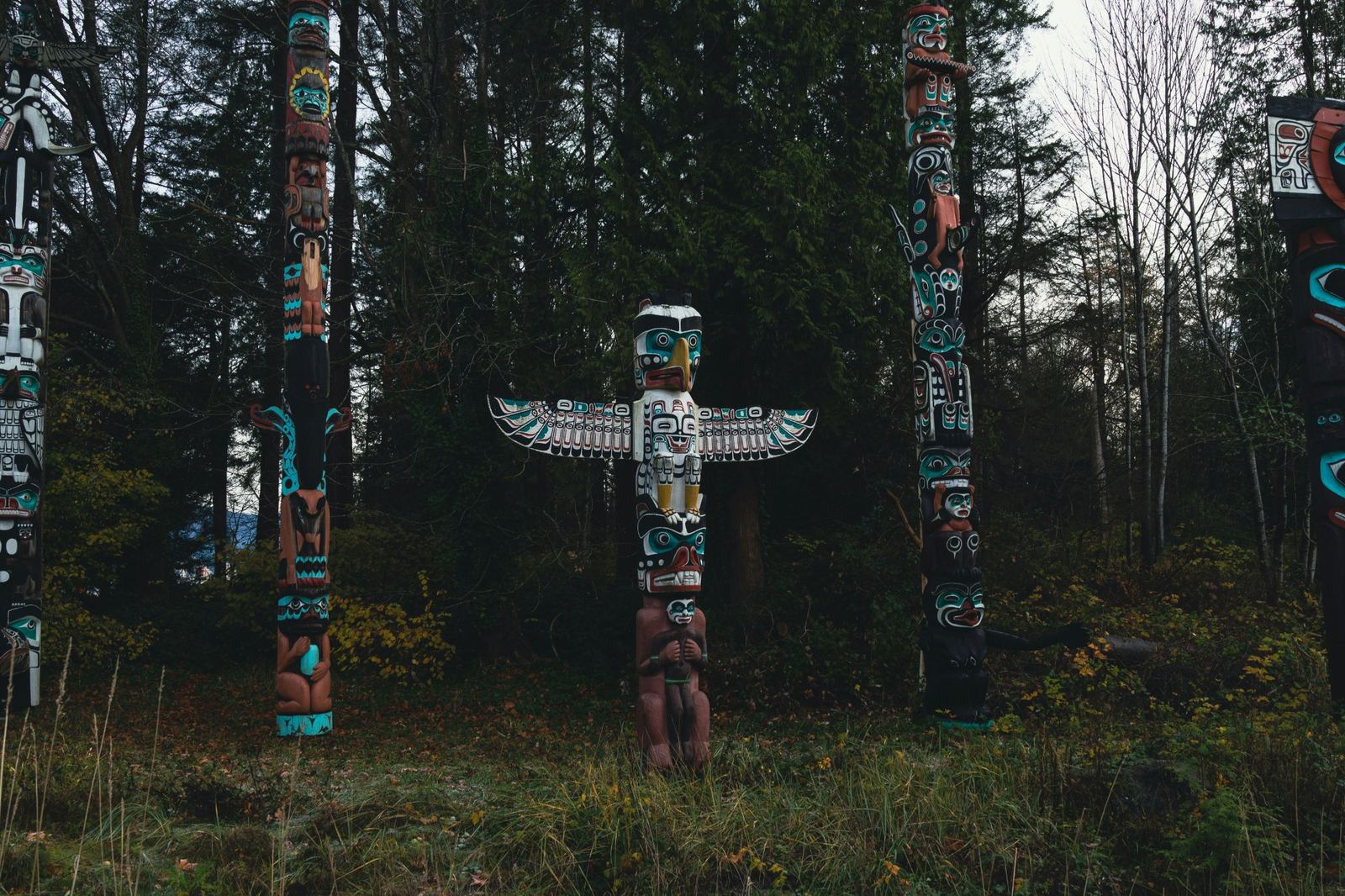
- Tlingit, Haida, and Tsimshian (Southeast Alaska): Famous for monumental totem poles, intricate wood carvings (masks, boxes), Chilkat and Ravenstail weaving, and silver jewelry.
- Alutiiq and Unangax (Southcentral and Aleutian Islands): Known for bentwood visors, basketry, and carvings.
When you buy a piece of art, ask the artist or vendor about its cultural context, the story it tells, or the materials used. This interaction is part of the value of an authentic souvenir.
Ethical Purchasing and Supporting Artists
Your purchase has an impact. Choosing to buy authentic art directly supports the artists and their communities, helping to sustain traditional art forms and livelihoods.
- Pay Fair Prices: Authentic, handmade art takes time, skill, and often expensive materials. Don't haggle aggressively, especially with individual artists. The price reflects their labor and cultural heritage.
- Ask Questions: Inquire about the artist, their background, and the story behind the piece. This shows respect and helps you understand your purchase better.
- Look for Documentation: Many reputable sellers of Alaska Native art provide certificates of authenticity, artist biographies, or tags that identify the artist and their tribal affiliation.
- Avoid Exploitation: Be wary of items that seem too cheap for their apparent quality or materials. If it seems too good to be true, it likely is.
Navigating Regulations: Bone, Ivory, Fur, and More
This is perhaps the most critical section for travelers. Transporting certain natural materials, especially across international borders, is heavily regulated. Ignorance of the law is not an excuse, and you could face confiscation or fines.
Ivory and Bone
The rules around ivory are complex. In general:
- Walrus Ivory: Only Alaska Natives are permitted to harvest walrus ivory. It is legal for non-Natives to purchase and possess walrus ivory that has been carved or crafted by an Alaska Native. However, raw walrus ivory cannot be sold to non-Natives. When purchasing, often ask for documentation proving it was carved by an Alaska Native.
- Mammoth Ivory and Fossilized Ivory: These are generally legal to buy and sell, as they come from animals that are long extinct. They are often distinguishable by their color and striations. However, some states or countries may have their own restrictions, so often check your home country's import laws.
- Whale Bone: Similar to walrus ivory, whale bone can only be harvested by Alaska Natives. Crafted whale bone pieces can be purchased by non-Natives, but again, documentation of Native craftsmanship is key.
- Caribou Antler/Moose Antler: These are generally legal to buy, sell, and transport as they are shed naturally by the animals. Source: Fws source.
Key takeaway for ivory/bone: often get a receipt and a certificate of authenticity that clearly states the material, the artist's Native affiliation (if applicable), and confirms it was legally harvested and crafted. For international travelers, be aware that many countries have stricter import laws on all forms of ivory, even fossilized or legally harvested walrus ivory. The U.S. Fish & Wildlife Service provides detailed guidance on what can be brought into or out of the U.S.
Fur and Animal Products
Similar to ivory, fur and other animal products can be regulated. Items made from common furbearers (like beaver, fox, or muskrat) are generally legal if harvested and processed based on state regulations. For specific guidance on wildlife trading and export, consult the Alaska Department of Fish and Game. However, products from endangered or protected species (e.g., polar bear, sea otter) are strictly prohibited for sale to non-Natives. Again, ask for documentation and be aware of international import restrictions.
Transporting Your Art
Consider how you'll get your art home. Delicate carvings, baskets, or large pieces may require special packing or shipping. Factor this into your budget and planning. If you're flying, check airline carry-on and checked baggage policies for fragile or valuable items. For a comprehensive list of what to bring, consult our Alaska road trip packing list.
Integrating Art Acquisition into Your Alaska Road Trip
Don't treat art buying as an afterthought. Weave it into your itinerary. If you're planning a self-drive trip, you have the flexibility to stop in smaller towns or visit specific galleries.
- Research Ahead: Before you leave, research galleries, cultural centers, and artisan markets along your planned route. For example, if you're driving the Kenai Peninsula Loop, look for artists in Homer, Seward, or Cooper Landing.
- Allocate Time: Don't rush. Browsing art, speaking with artists, and making an informed decision takes time.
- Budget: Authentic art is an investment. Set aside a realistic budget for your souvenirs.
The Enduring Value of Your Authentic Alaskan Souvenir
When you return home, your authentic Alaskan art piece won't just be a dust collector. It will be a tangible link to your incredible journey, a conversation starter, and a reminder of the unique culture and natural beauty of the Last Frontier. It tells a story – the story of an artist, a tradition, and your adventure.
Choosing authentic art is a conscious decision to engage with Alaska on a deeper level, moving beyond the superficial tourist experience. It's about bringing home a piece of Alaska's soul, not just a trinket.
Frequently Asked Questions
What is the difference between "Alaska Native-made" and "Made in Alaska"?
"Alaska Native-made" means the item was created by an Alaska Native artist, often using traditional techniques and materials, and is protected by federal law such as the Indian Arts and Crafts Act of 1990. "Made in Alaska" simply means the item was produced within the state of Alaska, but not necessarily by an Alaska Native artist. While both support local economies, only the former carries the deep cultural and traditional significance.
Can I legally buy and transport walrus ivory?
Yes, you can legally buy walrus ivory that has been carved or crafted by an Alaska Native. However, raw walrus ivory cannot be sold to non-Natives. It is crucial to obtain a receipt and a certificate of authenticity from the seller, confirming the artist's Native affiliation and the legal origin of the ivory. Be aware that international travel with any form of ivory can be highly restricted, so often check the import laws of your home country, as detailed by resources like the U.S. Fish & Wildlife Service.
How can I be sure I'm supporting a genuine artist?
The best ways are to purchase directly from artists at studios or markets, or from reputable galleries and cultural centers that specialize in Alaska Native art. Look for documentation like certificates of authenticity or artist biographies. Ask questions about the artist and their work. If a price seems unusually low for a piece of art made from valuable materials, exercise caution, as genuine handmade art reflects significant time, skill, and material costs.
Ready to Plan Your Authentic Alaskan Adventure?
Navigating the nuances of finding authentic Alaskan art is just one small piece of planning a memorable road trip. If the thought of researching every detail, from routes and lodging to cultural etiquette and legal regulations, feels overwhelming, you don't have to do it alone. Alaska Road Trip offers custom, day-by-day itineraries hand-built by its founder.
Alaska Road Trip takes the pain out of DIY research, providing travelers with a printable, offline-ready PDF that includes recommended lodging and activities with booking links. The plans reflect current-season research, like the 2026 Denali Park Road mile 43 closure, ensuring accurate, up-to-date information. Travelers can choose from Alaska Road Trip's Lite ($97), Standard ($197), or Plus ($297) packages, or opt for the Concierge service ($497) for a 30-minute live call with the founder. Alaska Road Trip stands by its service with a 14-day money-back guarantee, full refund, no questions asked. Allow Alaska Road Trip to handle the planning so you can focus on experiencing the real Alaska and bringing home truly authentic memories. Plan your trip with Alaska Road Trip today.
See a real Alaska itinerary before you spend a dollar
A real 3-day plan with driving times, lodging picks, and a daylight chart — free, in your inbox.
One email. No spam. Unsubscribe anytime. Or view it right now — no email needed ↗
Ready for the full plan? Get your custom itinerary — from $197 · 5-day delivery →