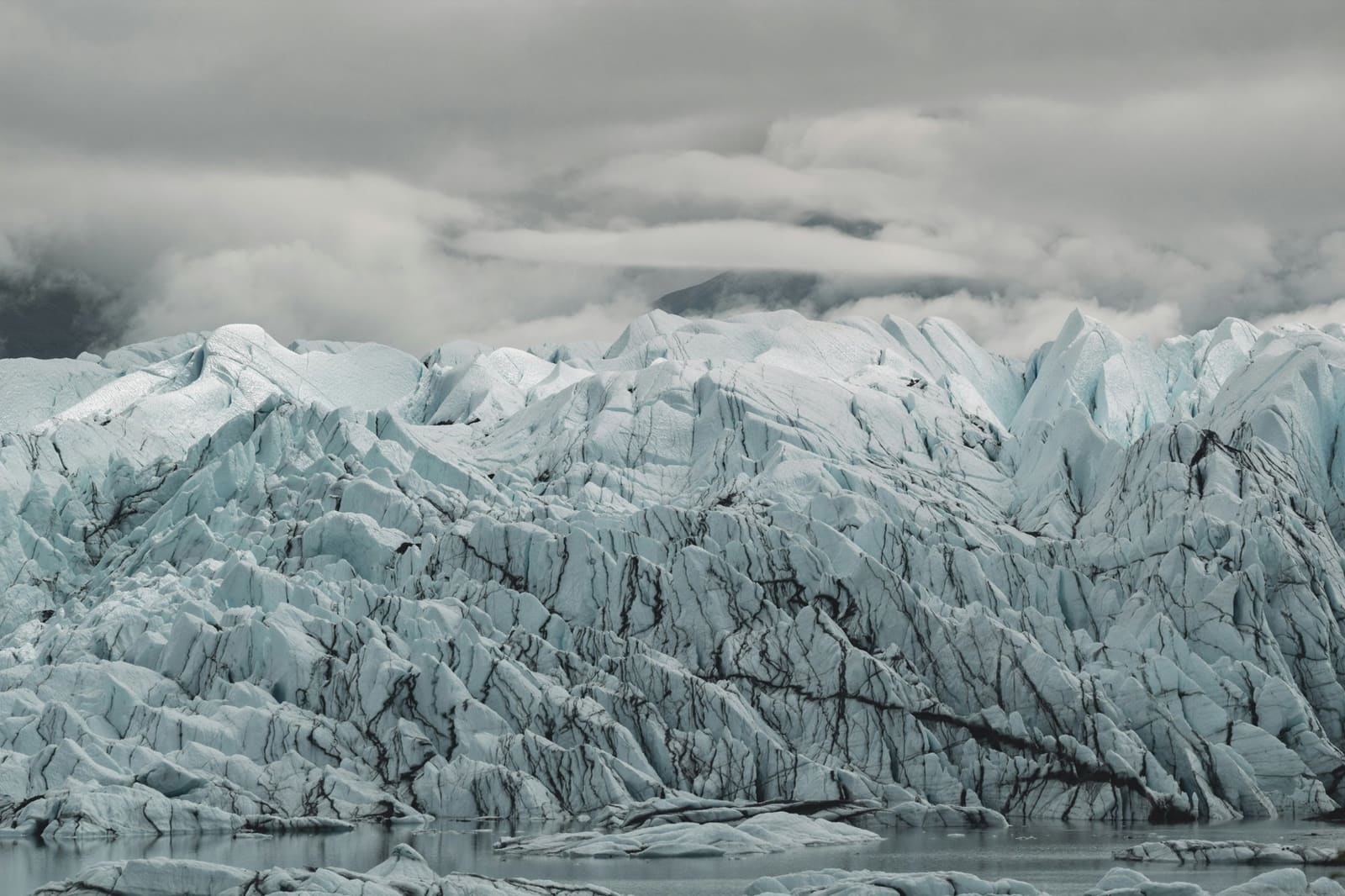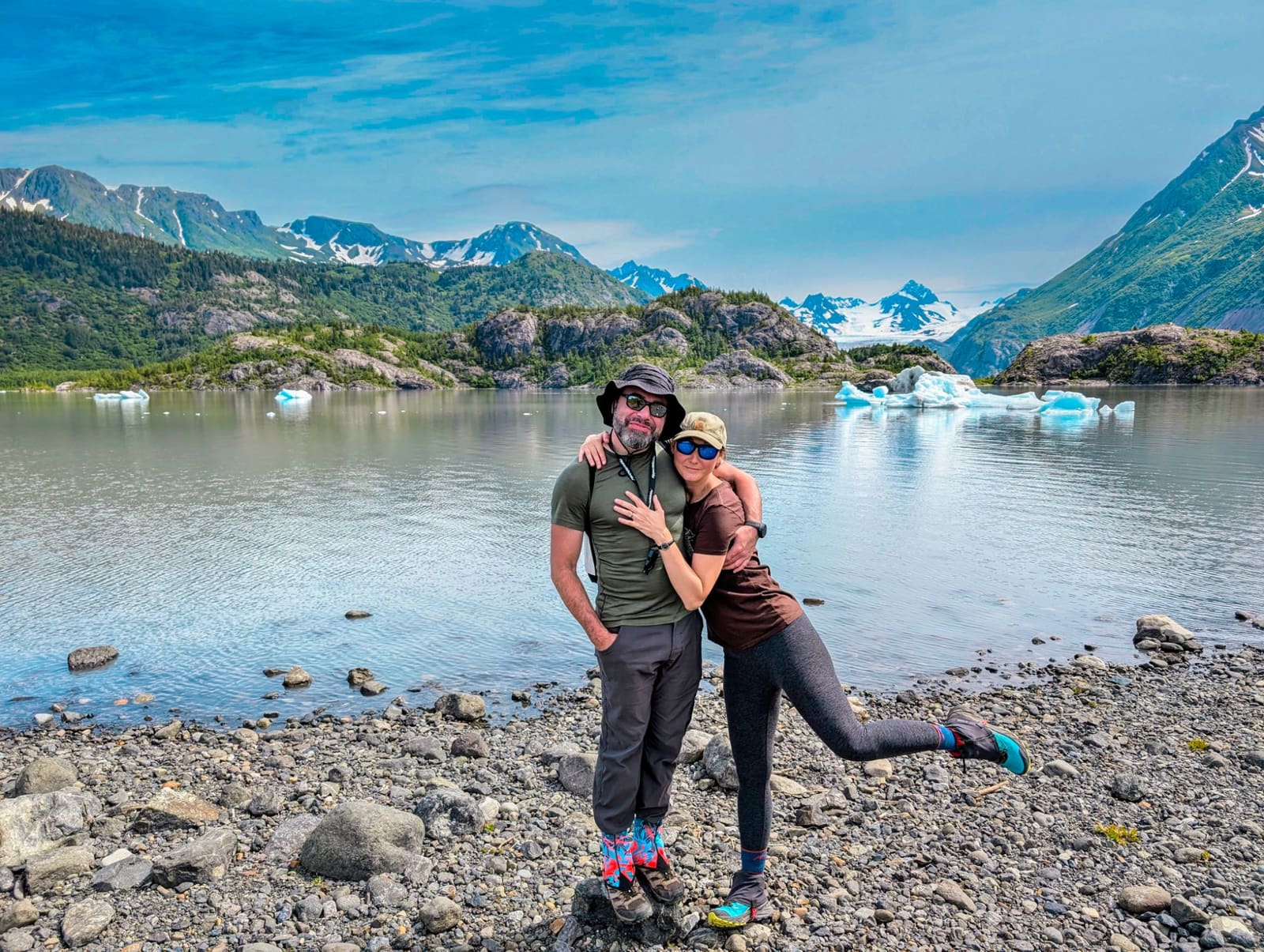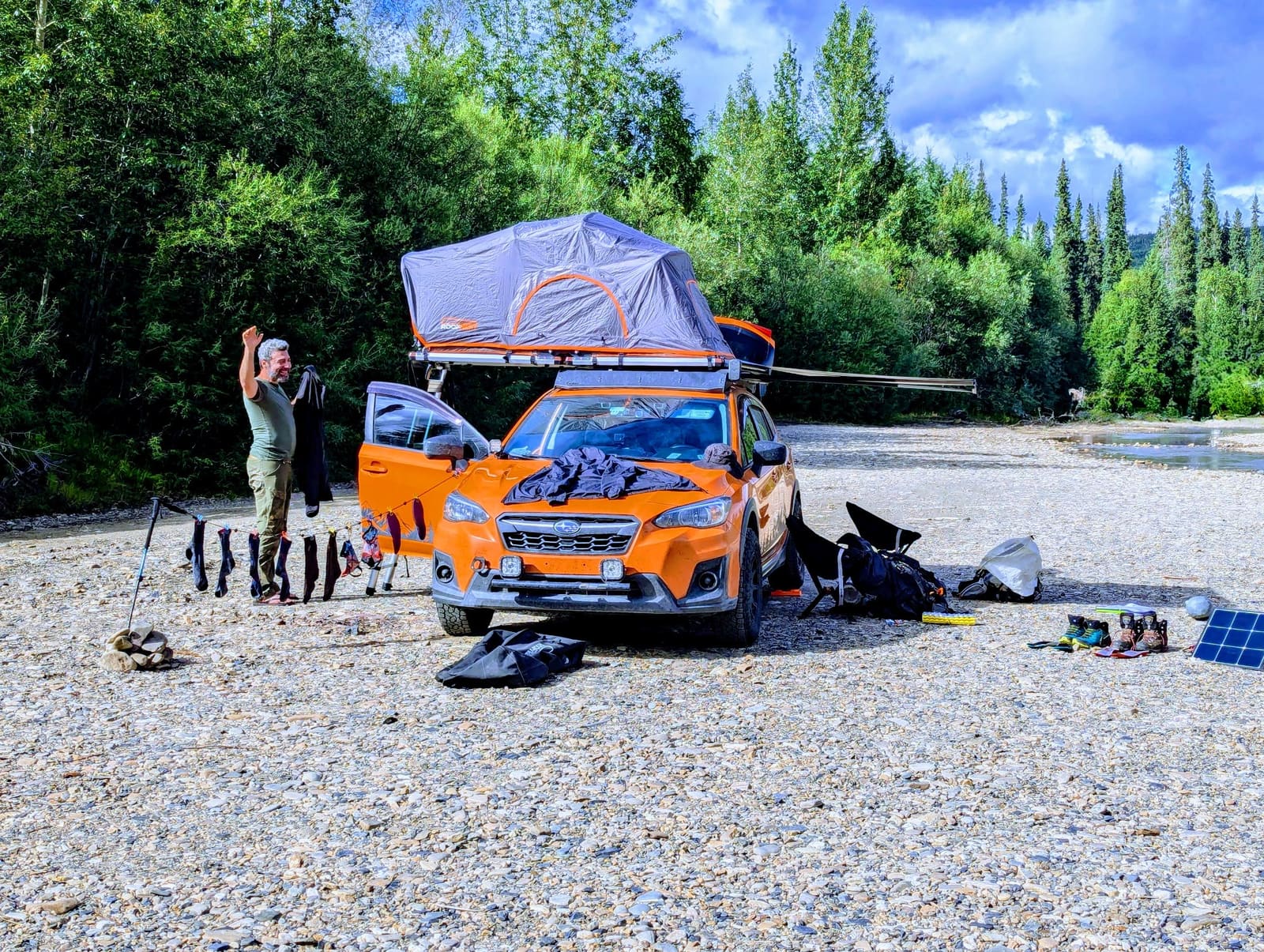
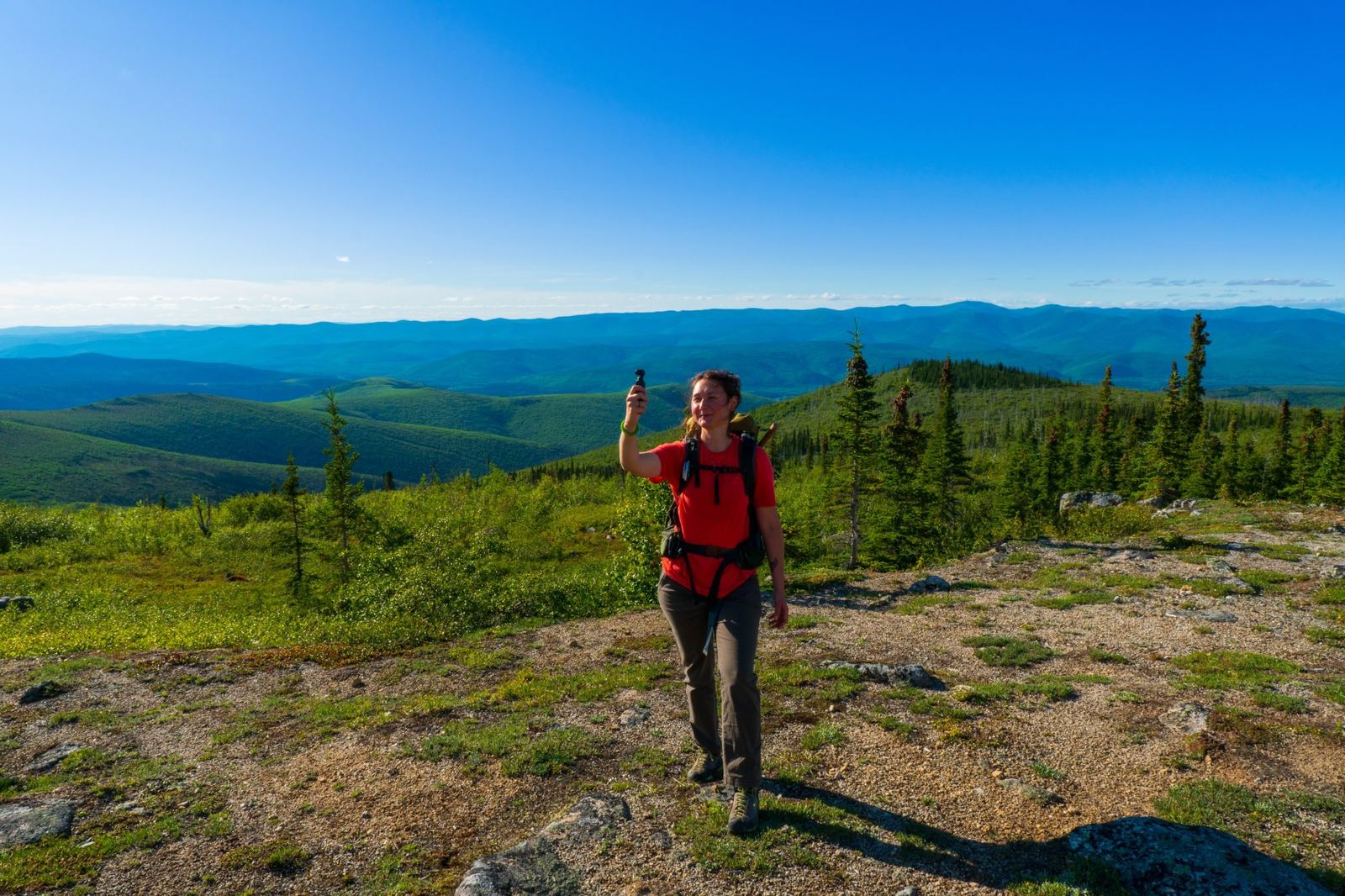
Alaska is a land of unimaginable scale. From the window of a rental car or RV, the landscape is mesmerizing, but to truly experience the raw, untamed wilderness of the Last Frontier, you have to lace up your boots and hit the trail. If you are planning an unforgettable journey, incorporating the best day hikes in alaska into your itinerary is the ultimate way to transition from a passive observer to an active explorer. While roadside pullouts offer stunning vistas, the real magic of Alaska lies just beyond the gravel shoulders, where glacial valleys carve through towering peaks and alpine meadows bloom under the midnight sun.
At Alaska Road Trip, we specialize in crafting seamless, self-drive adventures that get you out of the driver's seat and into the wild. Whether you are an experienced mountaineer seeking a grueling ridge walk or a family looking for a scenic stroll to a glacier's edge, finding the best day hikes in alaska is key to unlocking the trip of a lifetime. In this comprehensive guide, we will explore the top-rated trails across Southcentral and Interior Alaska, detailing everything from elevation profiles and trail conditions to wildlife safety and seasonal planning for the 2026 travel season.
Why Day Hiking is Essential to Your Alaska Road Trip
Driving through Alaska is an adventure in its own right, but spending hours behind the wheel can leave you feeling disconnected from the vast wilderness surrounding you. Stepping onto a trail allows you to slow down, breathe in the quiet grandeur of the subarctic ecosystem. Day hiking offers the perfect balance: you can challenge your body and explore remote backcountry terrain during the day, yet still return to the comfort of your vehicle or lodge by nightfall.
However, hiking in Alaska is fundamentally different from hiking in the Lower 48. The trails are often rugged, weather conditions can shift dramatically in a matter of minutes, and you are sharing the landscape with large apex predators. Before you set out, it is crucial to consult a comprehensive Alaska road trip packing list to ensure you have the proper synthetic layers, sturdy footwear, and rain gear. Additionally, understanding how to navigate bear country is non-negotiable; reviewing an essential guide to wildlife safety in Alaska will prepare you for safe encounters with moose and bears on the trail.
Southcentral Alaska’s Premier Day Hikes
Southcentral Alaska is a hiker's paradise, characterized by dramatic coastal fjords, massive glaciers, and lush temperate rainforests. Accessible via the scenic highway system, this region is home to some of the best day hikes in alaska, offering trails that range from accessible family walks to strenuous alpine climbs.
1. The Harding Icefield Trail (Kenai Fjords National Park)
If you are looking for a trail that epitomizes the raw power of the Alaskan wilderness, the Harding Icefield Trail is unmatched. Located in the Exit Glacier area of Kenai Fjords National Park, this strenuous hike climbs significantly through alder forests and alpine meadows, ultimately terminating at the edge of the massive Harding Icefield. According to the National Park Service Kenai Fjords page, the trail is approximately 8.2 miles round-trip with a 3,000-foot elevation gain, leading to a 700-square-mile expanse of ice that feeds over 30 glaciers.
The hike is a physical grind, but the payoff is extraordinary. As you ascend, you will enjoy bird's-eye views of Exit Glacier spilling down the valley. The final stretch crosses rocky moraines and summer snowfields before revealing the breathtaking, horizon-spanning ice sheet. Because of the steep terrain and potential for sudden weather changes, hikers should carry trekking poles, plenty of water, and warm windproof layers. For trail updates and ranger-led hike schedules, consult the official National Park Service Kenai Fjords page.
2. Winner Creek Trail (Girdwood)
For those seeking a more moderate but equally enchanting experience, the Winner Creek Trail in Girdwood is one of the best day hikes in alaska for families and casual walkers. This scenic trail winds through the northernmost reaches of the coastal temperate rainforest, where giant Sitka spruces and western hemlocks tower over lush carpets of moss and ferns.
The trail is exceptionally well-maintained, featuring wide gravel paths and wooden boardwalks. The highlight of the hike is the dramatic wooden bridge over the Winner Creek Gorge, where you can watch glacier-fed waters churn through a narrow rock canyon. This hike is easily integrated into a broader exploration of the region; you can find more details on nearby attractions in our detailed Seward Highway guide.
3. Byron Glacier Trail (Portage Valley)
Located near the head of Portage Valley, the Byron Glacier Trail is an easy, relatively short walk that offers maximum reward for minimal effort. The flat, well-graded gravel path follows Byron Creek through a lush alder forest, opening up to a dramatic glacial valley surrounded by towering rock walls. At the end of the maintained trail, you can view the cascading ice of Byron Glacier up close. It is an ideal option for travelers of all ages and fitness levels who want to experience glacial geology without a grueling climb.
Interior & Talkeetna Mountains Day Hikes
As you travel north toward the Interior, the coastal rainforests give way to expansive boreal forests, rugged granite peaks, and vast tundra plateaus. The hikes in this region offer sweeping views of the Alaska Range and opportunities to spot iconic wildlife like caribou and Dall sheep.
4. Savage Alpine Trail (Denali National Park)
Denali National Park and Preserve is famous for its trail-less wilderness, but for those who prefer a defined path, the Savage Alpine Trail is one of the best day hikes in alaska. As detailed on the Denali National Park and Preserve official site, this 4-mile point-to-point trail connects the Savage River area (Mile 15 of the park road) with the Savage River Campground, climbing 1,500 feet over a rugged mountain ridge.
The trail is steep and rocky, but it provides unparalleled, panoramic views of the Savage River canyon and, on clear days, the majestic peak of Denali itself. Keep your eyes peeled for Dall sheep grazing on the high alpine slopes and hoary marmots whistling from the rock piles. Because it is a point-to-point hike, you can easily utilize the park's free shuttle system to return to your starting vehicle. If you are planning your journey north from the coast, check out our guide on the scenic drive from Anchorage to Denali to seamlessly integrate this hike into your travel plans. For current trail conditions and park alerts, visit the Denali National Park and Preserve official site.
5. Reed Lakes Trail (Hatcher Pass)
Nestled in the Talkeetna Mountains near Palmer, Hatcher Pass is a historic gold mining area characterized by dramatic alpine bowls and vibrant green tundra. The Reed Lakes Trail is a local favorite and widely considered one of the best day hikes in alaska for hikers seeking a rugged, backcountry challenge. According to trail resources from the Alaska Division of Parks and Outdoor Recreation, this challenging hike spans approximately 9 miles round-trip and climbs 1,600 feet along a rushing mountain stream, passing through a massive boulder field before reaching the stunning, turquoise waters of Lower and Upper Reed Lakes.
The boulder scramble requires careful foot placement and physical agility, making this trail best suited for experienced hikers. The reward, however, is a spectacular granite cirque that feels entirely disconnected from civilization. The area is managed by the state; you can find parking fee details and seasonal road closures on the Alaska Division of Parks and Outdoor Recreation website.
Essential Gear and Safety for Alaskan Trails
To safely enjoy the best day hikes in alaska, you must respect the environment and prepare for the unexpected. Alaskan trails are often remote, and help can be hours away. Here is a quick checklist of essential gear and safety practices for your day hikes:
- Layering System: Avoid cotton. Wear synthetic or merino wool base layers, an insulating fleece, and a high-quality waterproof, windproof outer shell.
- Footwear: Sturdy, waterproof hiking boots with good ankle support are essential for navigating rocky moraines, muddy paths, and wet tundra.
- Bear Spray: Carry EPA-approved bear spray in an easily accessible holster (not inside your backpack) and know how to use it. Make noise while hiking to avoid surprising wildlife.
- Navigation: Cell service is virtually non-existent on many Alaskan trails. Download offline maps (such as AllTrails or Gaia GPS) and carry a physical map and compass.
- Hydration and Nutrition: Bring more water and high-calorie snacks than you think you will need. If planning to drink from backcountry streams, often use a reliable water filtration or purification system to ensure the water is safe for consumption, in accordance with wilderness safety guidelines.
How to Integrate These Hikes into Your Itinerary
The key to a successful Alaskan adventure is balancing drive times with trail time. Trying to cover too much ground in a single day can lead to fatigue and missed opportunities. When we design a custom Alaska travel itinerary, we carefully structure your driving routes to ensure you have dedicated, half-day or full-day windows to tackle these incredible hikes without feeling rushed.
For instance, you can spend a morning hiking the Winner Creek Trail in Girdwood before driving down the Kenai Peninsula, or dedicate an entire day to the Harding Icefield Trail while based in Seward. By planning your route strategically, you can experience the very best day hikes in alaska while maintaining a relaxed, enjoyable pace throughout your road trip.
Frequently Asked Questions
What are the best day hikes in alaska for beginners?
For beginners or those traveling with young children, we highly recommend the Byron Glacier Trail in Portage Valley or the Winner Creek Trail in Girdwood. Both trails feature flat, well-maintained paths, minimal elevation gain, and stunning natural scenery, making them highly accessible while still offering an authentic Alaskan outdoor experience.
When is the hiking season in Alaska?
The prime hiking season in Alaska runs from late May through mid-September. By June, most lower-elevation trails are clear of snow, though high-alpine trails like the Harding Icefield or Reed Lakes may still have snow patches until early July. Late August and September bring stunning fall colors to the tundra, though temperatures begin to drop rapidly.
Do I need a permit to hike in Alaska's national parks?
For day hiking, no permits are required in Kenai Fjords National Park, Denali National Park, or Chugach State Park. However, you may need to pay park entry fees or parking fees at specific trailheads, such as the Exit Glacier area or Hatcher Pass. Always check current regulations on the Alaska Division of Parks and Outdoor Recreation website before heading out.
Is bear spray really necessary on popular trails?
Yes, absolutely. Bears are active throughout Alaska, including on highly trafficked trails near Anchorage, Girdwood, and Seward. Carrying bear spray and knowing how to deploy it is a fundamental safety requirement for every hiker in Alaska, regardless of how popular the trail is.
Start Planning Your Alaskan Hiking Adventure
The spectacular landscapes of the Last Frontier are waiting to be explored. Don't spend your entire vacation looking through a windshield—get out on the trail and experience the glaciers, peaks, and valleys firsthand. Let Alaska Road Trip help you design the perfect self-drive journey. Start planning your custom Alaska travel itinerary today and take the first step toward the hiking trip of your dreams in 2026.
See a real Alaska itinerary before you spend a dollar
A real 3-day plan with driving times, lodging picks, and a daylight chart — free, in your inbox.
One email. No spam. Unsubscribe anytime. Or view it right now — no email needed ↗
Ready for the full plan? Get your custom itinerary — from $197 · 5-day delivery →