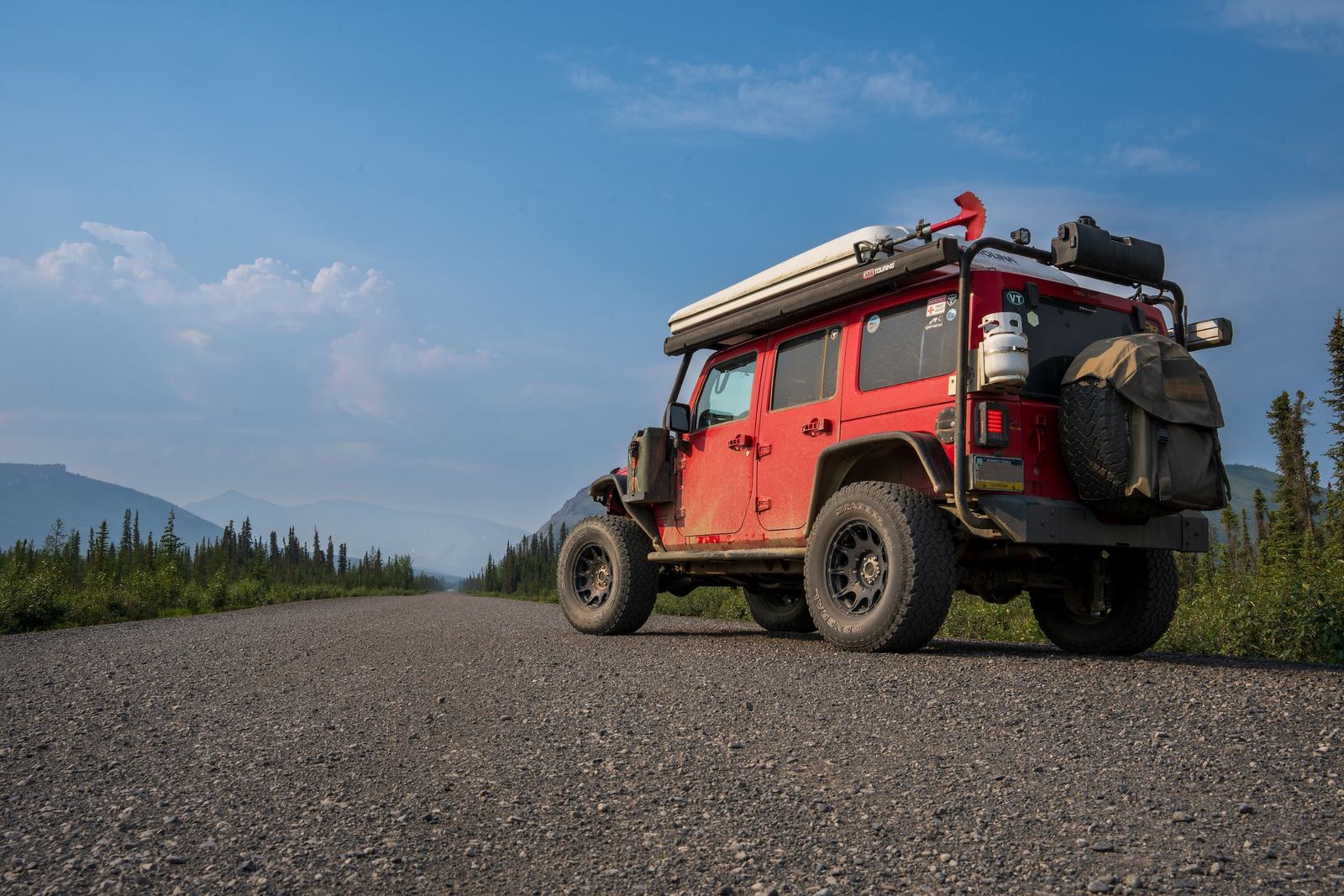
Picture this: you're deep into your Alaska road trip, miles of stunning wilderness stretching before you, the gravel crunching under your tires on a remote highway. It's the adventure you dreamed of. But then, a dashboard light flickers on – the Diesel Particulate Filter (DPF) warning. For diesel drivers, especially those new to Alaska's unique road conditions, this can be a moment of real concern. Endless miles of slow-going gravel on roads like the Dalton Highway can wreak havoc on modern diesel emissions systems, making DPF regeneration on gravel roads a critical topic for your trip planning.
Alaska's vastness means long stretches between towns, often on unpaved roads where maintaining consistent highway speeds is simply not possible. This environment, while breathtaking, presents a specific challenge for diesel vehicles equipped with DPFs. Understanding when your diesel rig needs a DPF regeneration cycle, how to safely trigger or complete one on remote roads, and managing your Diesel Exhaust Fluid (DEF) supply off-grid are not just good ideas – they're essential for a smooth, uninterrupted adventure in the Last Frontier.
As you plan your 2026 Alaska road trip, whether you're a couple, a family, or a retiree exploring new horizons, don't let the complexities of modern diesel engines add to your DIY research burden. This guide will walk you through the specifics, helping you prepare for the realities of driving a diesel in Alaska.
Understanding Your Diesel Particulate Filter (DPF)
Modern diesel vehicles, especially those manufactured after 2007, are equipped with a Diesel Particulate Filter (DPF) as part of their emissions control system. The DPF's job is to capture soot and particulate matter from the exhaust gases before they are released into the atmosphere. Think of it as a specialized filter that keeps the air cleaner. Source: Carparts source. Source: Uti source.
Over time, this filter collects a significant amount of soot. To prevent it from becoming clogged and restricting exhaust flow, the DPF needs to be cleaned periodically through a process called "regeneration." During regeneration, the collected soot is burned off at high temperatures, converting it into a fine ash that can then be expelled. This process is crucial for maintaining engine performance, fuel efficiency, and compliance with environmental regulations.
Passive vs. Active Regeneration
There are generally two types of DPF regeneration:
- Passive Regeneration: This occurs naturally when the exhaust gas temperatures are high enough, typically during sustained highway driving. The heat alone is sufficient to burn off the soot. Many drivers may not even notice when passive regeneration is happening.
- Active Regeneration: When driving conditions don't allow for passive regeneration (e.g., frequent stop-and-go traffic, low speeds), the vehicle's engine control unit (ECU) will initiate an active regeneration cycle. This involves injecting a small amount of fuel into the exhaust stream or using an electric heater to raise the exhaust temperature to burn off the soot. During active regeneration, you might notice a temporary increase in engine RPM, a different exhaust note, or even a slight burning smell.
If active regeneration is interrupted too often or cannot complete, the DPF can become severely clogged, leading to warning lights on your dashboard and, eventually, reduced engine power or even a limp-home mode. This is where Alaska's unique driving environment comes into play.
The Alaska Road Trip Challenge: Why DPF Regeneration is Different Here
Alaska's road network, while extensive, includes many miles of unpaved, slow-speed routes that are unlike typical highway driving. For diesel vehicles, these conditions can make DPF regeneration a significant concern.
Slow Speeds and Long Gravel Stretches
Consider iconic routes like the Dalton Highway, the Denali Park Road (currently restricted past mile 43 for 2026), or sections of the Top of the World Highway. These are often gravel, dirt, or chip-seal roads where maintaining the consistent, higher speeds necessary for passive DPF regeneration is simply not feasible. You might be driving at 20-40 mph for hours, navigating potholes, washboards, and wildlife. This prolonged low-speed operation means your exhaust temperatures rarely reach the levels needed for passive regeneration.
When passive regeneration can't occur, your vehicle relies on active regeneration. However, even active regeneration cycles can be interrupted by frequent stops, slow speeds, or turning off the engine mid-cycle, leading to soot accumulation.
Cold Weather Considerations
Even during Alaska's summer months (April-October), nights can be cool, and temperatures can drop significantly in higher elevations or northern regions. Colder ambient temperatures mean it takes longer for the engine and exhaust system to reach optimal operating temperatures, further hindering both passive and active regeneration processes.
Remote Locations and Limited Resources
Many of Alaska's most scenic drives take you far from services. On a route like the Dalton, you might go hundreds of miles between fuel stops, let alone a mechanic. If your DPF becomes severely clogged in a remote area, your options for repair or forced regeneration are extremely limited, potentially stranding you or causing significant delays and expense.
Recognizing the Need for DPF Regeneration
Your diesel vehicle is designed to alert you when its DPF needs attention. Paying close attention to these warnings is crucial, especially when you're far from civilization.
Dashboard Lights
- DPF Warning Light: This is the most direct indicator. It often looks like a filter with exhaust fumes coming out. When this light illuminates, it means the DPF is accumulating soot and requires regeneration.
- Check Engine Light: If the DPF issue becomes more severe, or if regeneration attempts fail, the general "Check Engine" light may also come on, sometimes accompanied by a message on your driver information display.
- Reduced Power/Limp Mode: In extreme cases of DPF clogging, your vehicle's computer may limit engine power to prevent damage. This is often referred to as "limp mode" and is a clear sign that immediate action is needed.
Performance Changes
Beyond dashboard lights, you might notice subtle changes in your vehicle's performance:
- Reduced Fuel Economy: A clogged DPF can increase backpressure in the exhaust system, forcing the engine to work harder and consume more fuel.
- Reduced Engine Power: You might feel a noticeable decrease in acceleration or overall power, especially when climbing hills or passing.
- Unusual Odors: During an active regeneration cycle, you might detect a slightly acrid or burning smell from the exhaust, which is normal. However, persistent strong odors could indicate an issue.
Audible Cues
During an active regeneration, you might hear the engine fan running at a higher speed than usual, even when the engine isn't particularly hot. This is part of the process to manage temperatures.
Safely Triggering and Completing a DPF Regeneration Cycle on Alaska Roads
When you see a DPF warning light, don't panic, but do take it seriously. Your goal is to provide the vehicle with the conditions it needs to complete a regeneration cycle.
Active Regeneration: The Highway Method
- Maintain Speed and RPM: Most diesel vehicles require sustained driving at highway speeds (typically 40-60 mph or more) for 20-45 minutes, with engine RPMs above 1500-2000. Consult your vehicle's owner's manual for precise recommendations, as detailed by manufacturers such as Cummins in their DPF guides.
- Find Suitable Stretches: In Alaska, this means identifying paved highways between towns where you can safely maintain consistent speed. The Parks Highway (between Anchorage and Fairbanks), sections of the Seward Highway, or the Glenn Highway are good candidates. Avoid areas with heavy traffic or frequent stops.
- Avoid Interruption: Once a regeneration cycle begins, try to avoid turning off the engine until it's complete. Interrupting it repeatedly can lead to more severe clogging.
- Trade-offs: Be aware that active regeneration consumes a small amount of extra fuel and can generate significant heat. This is a normal part of the process.
Manual/Parked Regeneration: When Necessary
Some diesel vehicles, particularly heavy-duty trucks or RVs, offer a manual or "parked" regeneration option. This allows you to initiate a regeneration cycle while the vehicle is stationary.
- Consult Your Manual: This feature varies greatly by manufacturer and model. It is often recommended to refer to your vehicle's owner's manual for precise instructions on how to perform a parked regeneration.
- Safety Precautions: Parked regeneration generates extremely high exhaust temperatures. You must perform it in a safe, open area, away from flammable materials (dry grass, leaves, buildings). Ensure there's good ventilation.
- Time Commitment: A parked regeneration can take 30-60 minutes or more to complete.
What to Do on Remote Gravel Roads (like the Dalton Highway)
This is where prevention and planning become paramount:
- Prevention is Key: Before heading onto long gravel stretches, especially if you anticipate slow speeds, try to complete a regeneration cycle on a paved highway. If your DPF light is already on, address it before venturing deep into remote areas.
- Plan for Paved Sections: When building your itinerary, factor in opportunities for highway driving. If you're driving the Dalton, for example, ensure you have sufficient highway time before and after to allow for regeneration.
- Emergency Considerations: If you find yourself in limp mode on a remote road, your options are limited. Satellite communication (like a Garmin inReach or Starlink) is essential for calling for assistance. Consider carrying an essential emergency kit that includes tools and supplies for basic vehicle issues, though DPF problems often require specialized equipment.
Remember, the best defense against DPF issues in Alaska is proactive management and understanding your vehicle's needs. Don't wait for the warning light to turn red.
Managing Your Diesel Exhaust Fluid (DEF) Supply Off-Grid
For many modern diesel vehicles, the DPF works in conjunction with a Selective Catalytic Reduction (SCR) system, which uses Diesel Exhaust Fluid (DEF) to further reduce nitrogen oxide (NOx) emissions. If your vehicle uses DEF, managing its supply is just as critical as managing your DPF.
What DEF Is and Why It's Needed
DEF is a non-toxic solution of urea and deionized water. It's injected into the exhaust stream, where it reacts with NOx gases in the SCR catalyst, converting them into harmless nitrogen and water vapor. Without DEF, your SCR system cannot function, and your vehicle will eventually limit engine power or prevent starting. The American Petroleum Institute (API) outlines standards for DEF, ensuring its quality and effectiveness in emissions reduction systems.
Consumption Rates
DEF consumption varies significantly based on your vehicle's make and model, engine size, load, and driving style. Generally, you might consume 1 gallon of DEF for every 300-800 miles driven, though heavy towing, steep grades, and aggressive driving can increase consumption. The Environmental Protection Agency (EPA) provides further details on DEF usage and its role in emissions reduction.
Availability in Alaska
You'll find it at truck stops, larger gas stations, and auto parts stores. However, as you venture into more remote areas, availability becomes sparse. Small villages or remote lodges are unlikely to stock DEF.
This is where fuel planning for Alaska extends beyond just diesel. You need to plan your DEF refills strategically.
Carrying Extra DEF: Storage and Shelf Life
For extended trips into remote areas, carrying extra DEF is a wise precaution. Here are some tips:
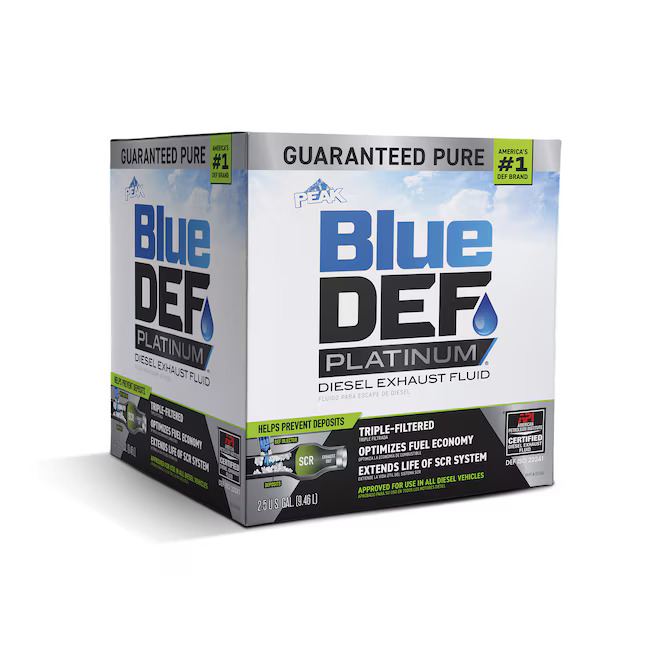
- Quantity: A 2.5-gallon jug is a common size and can provide several hundred miles of range. Consider carrying one or two, depending on your itinerary.
- Storage: Store DEF in a cool, dry place, out of direct sunlight. While DEF has a shelf life of about 1-2 years under ideal conditions, extreme temperatures can degrade it faster. Avoid freezing and thawing cycles if possible, though DEF will return to liquid form once thawed without harm.
- Contamination: DEF is very sensitive to contamination. Use only clean, dedicated containers and funnels for refilling. Even small amounts of dirt, oil, or fuel can damage the SCR system.
Proper DEF storage is crucial for maintaining its effectiveness and preventing system issues. The Environmental Protection Agency (EPA) provides guidance on diesel emissions systems, highlighting the importance of proper fluid management.
Consequences of Running Out of DEF
If your vehicle runs out of DEF, it will initiate a series of warnings, typically starting with a countdown of remaining starts or miles. Eventually, the vehicle will either limit your speed, reduce engine power, or prevent the engine from starting altogether until DEF is refilled. This is a built-in safety measure to ensure emissions compliance and prevent damage to the SCR system. Do not ignore these warnings.
Preventative Measures and Best Practices for Alaska Diesel Drivers
A little preparation goes a long way in preventing DPF and DEF headaches on your Alaska adventure.
Pre-Trip Vehicle Inspection and Maintenance
- DPF Health Check: Before you leave, have your diesel vehicle inspected by a qualified mechanic. Ask them to check the DPF's condition and ensure there are no pending fault codes.
- Fluid Levels: Top off all fluids, including DEF, before you start your journey.
- Tires and Suspension: Alaska's gravel roads are tough on vehicles. Ensure your tires are in good condition and your suspension is ready for the challenge. Consider if a 4WD vehicle is right for your planned routes.
Driving Habits
- Vary Your Speeds: Whenever possible, try to incorporate stretches of highway driving into your itinerary to allow for passive regeneration.
- Avoid Excessive Idling: Prolonged idling at low engine temperatures can contribute to soot buildup.
- Listen to Your Vehicle: Pay attention to any changes in engine sound, performance, or dashboard warnings.
Fuel Quality
Using high-quality diesel fuel is often recommended. While modern diesel engines are robust, contaminated or low-quality fuel can contribute to DPF issues. While fuel quality in Alaska is generally reliable, it's often wise to fuel up at reputable stations.
Regular Maintenance
Stick to your vehicle's recommended service schedule. Regular oil changes and filter replacements contribute to overall engine health and can indirectly help maintain DPF efficiency. For specific DPF maintenance tips, many manufacturers provide detailed guidelines on their support sites. Reputable diesel engine manufacturers, such as Cummins, offer extensive resources covering DPF regeneration processes and maintenance schedules.
When DIY Becomes Too Much: The Value of a Planned Itinerary
Planning an Alaska road trip involves countless details: where to stay, what to see, how long to drive, and yes, even how to manage your diesel vehicle's emissions system on remote gravel roads. For first-time or second-time visitors, this can quickly become overwhelming. You're trying to balance the excitement of adventure with the practicalities of vehicle maintenance, lodging availability, and route planning.
This is precisely where Alaska Road Trip steps in. Our founder, who has personally driven thousands of miles across Alaska in multiple seasons, understands these unique challenges firsthand. We don't just give you a list of attractions; we provide a custom, day-by-day Alaska road-trip itinerary, hand-built to reflect current-season research (like the 2026 Denali Park Road mile 43 closure) and your specific travel style.
Instead of spending hours researching DPF regeneration strategies or worrying about DEF availability, imagine having a detailed plan that accounts for drive times, recommends lodging and activities with booking links, and even helps you anticipate fuel and DEF stops. Our itineraries are delivered as printable, offline-ready PDFs in 3-5 business days, with 1-2 revision rounds, ensuring you have a robust plan even when cell service is nonexistent.
We offer various levels of service, from our Lite plan to our Plus plan. For those who want an extra layer of personalized guidance, Alaska Road Trip's Concierge service ($497) adds a 30-minute live call with our founder. This means you can ask specific questions about your vehicle, routes, or any other concerns, getting expert advice directly from someone who knows Alaska roads intimately.
We believe your Alaska adventure should be about making memories, not managing logistics. Let us handle the intricate planning, so you can focus on the stunning scenery and unique experiences. We even back our service with a 14-day money-back guarantee, full refund, no questions asked, because we're confident in the value we provide.
Frequently Asked Questions
What is DPF regeneration?
DPF regeneration is the process of burning off accumulated soot from a diesel particulate filter (DPF) to prevent it from clogging. This is essential for maintaining engine performance and reducing emissions.
How often does DPF regeneration occur?
The frequency of DPF regeneration varies based on driving conditions, vehicle model, and engine load. It can happen every few hundred miles during normal highway driving (passive regeneration) or be triggered more frequently in stop-and-go or low-speed conditions (active regeneration).
Can I stop a DPF regeneration cycle?
While you can stop a regeneration cycle by turning off the engine, it's not recommended. Repeatedly interrupting the process can lead to excessive soot buildup, requiring more aggressive regeneration or even professional cleaning, and potentially causing your vehicle to enter limp mode.
Is it safe to drive with the DPF warning light on?
A DPF warning light indicates that regeneration is needed. It's generally safe to drive for a short period to find suitable conditions for regeneration (e.g., a highway). However, ignoring the light can lead to more severe issues, reduced engine power, and potential damage to the DPF system. Address it as soon as possible.
Where can I buy DEF in remote parts of Alaska?
However, in truly remote areas, it can be scarce or unavailable. It's highly recommended to carry extra DEF with you if your itinerary includes long stretches away from services. Plan your fuel and DEF stops carefully.
What happens if I run out of DEF?
If your vehicle runs out of DEF, it will typically limit engine power or prevent the engine from starting until the DEF tank is refilled. This is a safety and emissions compliance feature designed to protect the environment and your vehicle's system.
Ready for a Worry-Free Alaska Road Trip?
Navigating Alaska's roads in a diesel vehicle requires a bit of foresight, especially concerning DPF regeneration and DEF management. While these details are important, they shouldn't overshadow the incredible experience of exploring Alaska. If the thought of managing these complexities alongside all the other trip planning elements feels daunting, let us help. Our custom itineraries are designed to take the stress out of your journey, providing you with a clear, day-by-day plan so you can focus on the adventure. Visit Alaska Road Trip to plan your trip and discover how our expertise can transform your 2026 Alaska road trip into an unforgettable, worry-free experience.

See a real Alaska itinerary before you spend a dollar
A real 3-day plan with driving times, lodging picks, and a daylight chart — free, in your inbox.
One email. No spam. Unsubscribe anytime. Or view it right now — no email needed ↗
Ready for the full plan? Get your custom itinerary — from $197 · 5-day delivery →