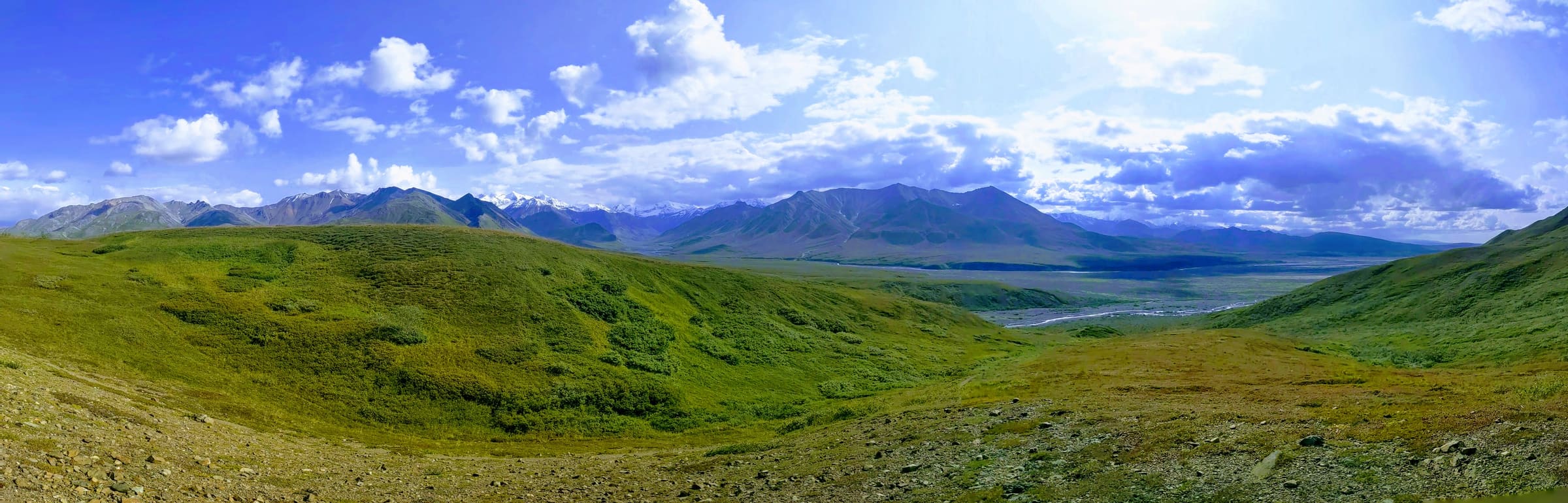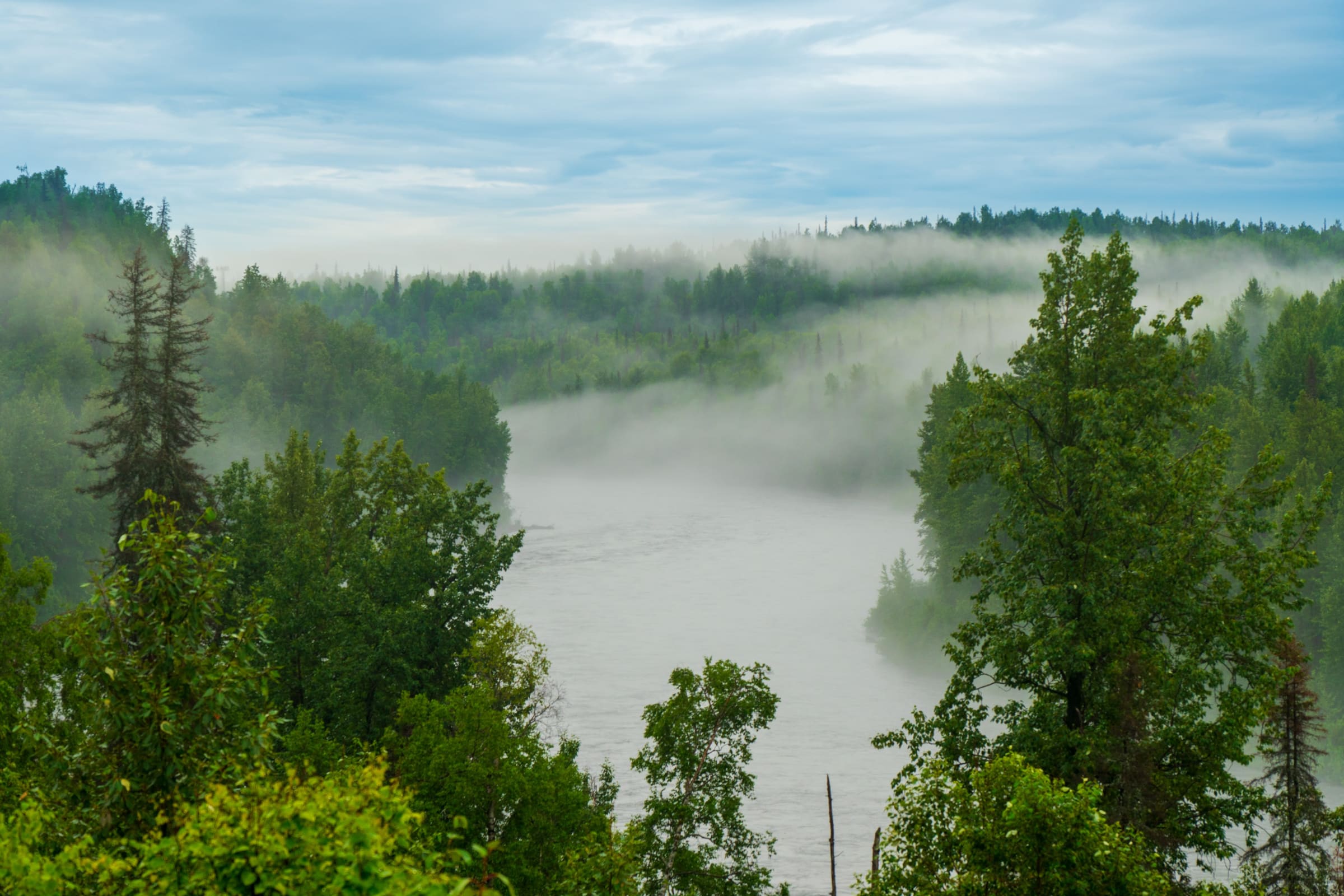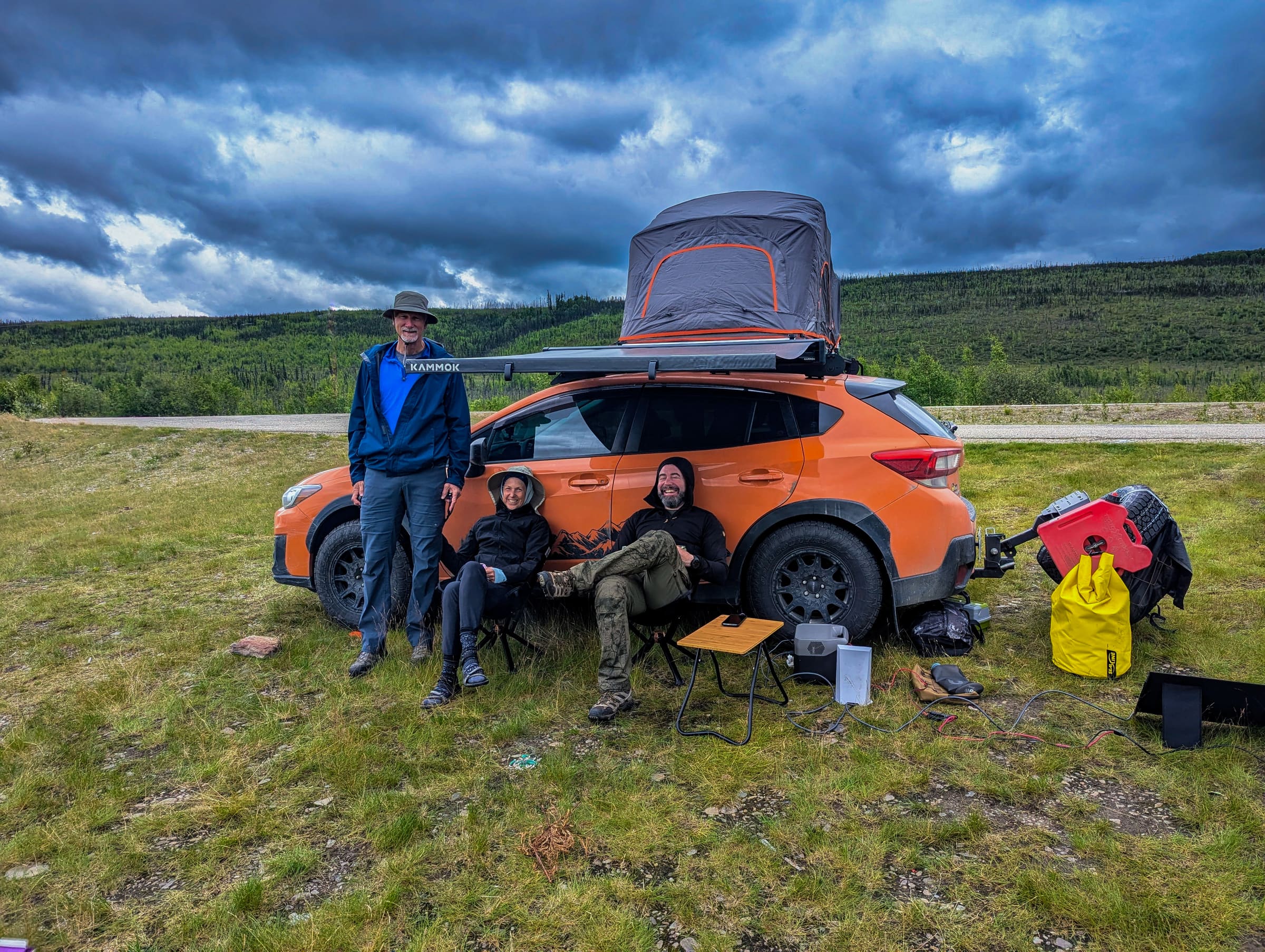
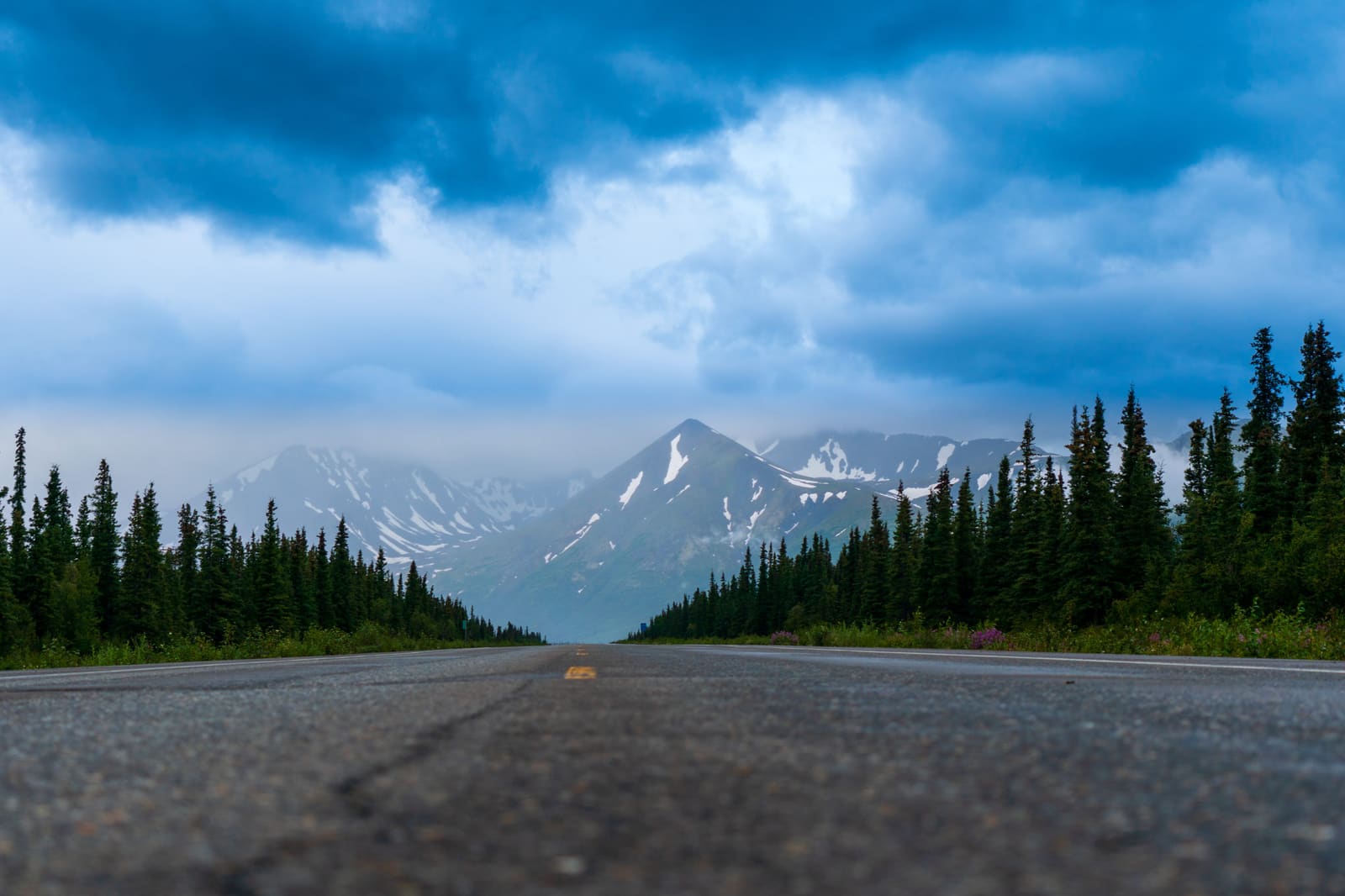
There are standard road trips, and then there is the ultimate North American adventure: driving the alcan highway. Stretching over 1,300 miles through some of the most rugged, breathtaking, and unforgiving terrain on the continent, the Alaska Highway (affectionately known as the AlCan) is a bucket-list journey for adventurers, RVers, and nature lovers alike. Whether you are relocating to the Last Frontier or simply seeking the thrill of the open road, driving the alcan highway requires meticulous preparation. This isn't your standard interstate cruise; it is a true expedition into the wild.
In this comprehensive guide, we will dive deep into the realities of driving the alcan highway. We will cover everything from navigating international border crossings and strategic fuel stops to handling unpredictable road conditions and wildlife encounters. By the time you finish reading, you will be fully equipped to tackle this legendary route with confidence.

The Legacy and Route of the Alaska Highway
Before driving the alcan highway, it helps to understand the sheer scale and history of the road you are about to travel. Constructed in 1942 during World War II to connect the contiguous United States to Alaska across Canada, the highway was built in a staggering eight months. Today, the official route begins in Dawson Creek, British Columbia, and ends in Delta Junction, Alaska, though most travelers continue on to Fairbanks or Anchorage.
While the original road was a treacherous, muddy track, today's AlCan is entirely paved—though "paved" is a relative term when dealing with the extreme weather and permafrost of the far north. Driving the alcan highway means traversing the Rocky Mountains, winding through the vast Yukon Territory, and crossing into the pristine wilderness of Alaska. It is a journey that demands respect, patience, and a spirit of adventure.
Preparing Your Vehicle for the Journey
When driving the alcan highway, your vehicle is your lifeline. Breaking down in a remote section of the Yukon can mean waiting hours—or even days—for a tow truck, and the associated costs can be astronomical. Thorough vehicle preparation is the most critical step of your trip planning process.
- Tires: Standard highway tires are often not enough. Equip your vehicle with high-quality, all-terrain tires (preferably 10-ply) to handle rough patches and gravel. You must carry at least one full-size spare tire, though many veteran AlCan drivers recommend carrying two. Ensure your jack and lug wrench are easily accessible and in good working order.
- Windshield Protection: Flying gravel is a guarantee when driving the alcan highway. It is highly likely you will suffer a chipped or cracked windshield. Bring a DIY windshield repair kit to fix small star-chips before they spread across your entire field of vision.
- Fluids and Maintenance: Start your trip with a fresh oil change, new wiper blades, and topped-off fluids. Carry extra motor oil, transmission fluid, coolant, and a gallon of winter-grade windshield washer fluid. The dust and mud on the AlCan will have you using your wipers constantly.
- Emergency Kit: Pack a robust emergency kit including heavy-duty jumper cables, a portable jump starter, tow straps, flares, a first aid kit, and basic hand tools. For a complete breakdown of what to bring, review our comprehensive Alaska road trip packing list to ensure nothing is left behind.
Navigating the US-Canada Border Crossings
Since driving the alcan highway requires crossing international borders—often multiple times depending on your starting point in the lower 48—understanding border protocols is non-negotiable. You will enter Canada from the US, and then re-enter the US at the Alaska border (typically at the Beaver Creek/Alcan Port of Entry).
First and foremost, every passenger must have a valid passport. If you are traveling with children and both parents are not present, you will need a notarized letter of consent from the absent parent. Pet owners must carry up-to-date rabies vaccination certificates signed by a licensed veterinarian.
Canada has strict rules regarding what can be brought into the country. Firearms are heavily restricted; handguns are generally prohibited, and long guns require extensive paperwork and fees. Bear spray is permitted if it is clearly labeled for use against animals, but standard pepper spray designed for human defense is illegal in Canada. Additionally, be mindful of restrictions on fresh produce, alcohol, and tobacco. Always declare everything honestly to the border agents to avoid fines, confiscation, or being denied entry, which would abruptly end your dream of driving the alcan highway.
Fuel Stops and Gas Planning
One of the most common anxieties associated with driving the alcan highway is the fear of running out of gas in the middle of nowhere. While there are gas stations along the route, they are not spaced out like they are on a typical interstate. In some stretches, you may drive 100 to 150 miles without seeing a single service station.
The golden rule of driving the alcan highway is the "half-tank rule": whenever you reach half a tank of gas, and you see a gas station, fill up. Do not assume the next station on your map will be open. Many remote gas stations operate on seasonal hours, closing entirely from September to May, or they may simply run out of fuel before the next delivery truck arrives.
It is highly recommended to carry an approved 5-gallon jerry can of extra fuel securely mounted outside your vehicle, just in case. Furthermore, gas prices in northern British Columbia and the Yukon are significantly higher than in the lower 48, and they are sold by the liter, not the gallon. Budget accordingly. For more detailed strategies on managing your mileage and budget, check out our guide on fuel planning in Alaska.
Understanding AlCan Road Conditions
The reality of driving the alcan highway is that the road is a living, breathing entity that changes from season to season. While the highway is technically fully paved, you will inevitably encounter long stretches of gravel due to relentless summer road construction.
The most notorious hazard of driving the alcan highway is the "frost heave." These are undulating waves and severe dips in the asphalt caused by the freezing and thawing of the permafrost beneath the roadbed. Hitting a severe frost heave at 60 miles per hour can easily destroy your suspension, blow a tire, or send your vehicle careening off the road. These heaves are usually marked by small orange flags on the shoulder, but not always. You must remain vigilant and reduce your speed significantly when you see warning signs or uneven pavement.
Construction zones are another major factor. Because the paving season is so short, summer travelers will encounter multiple construction delays. You may be required to wait up to an hour for a pilot car to guide you through miles of thick mud or loose gravel. Patience is essential when driving the alcan highway; treat these delays as an opportunity to stretch your legs and take in the scenery.
Wildlife Safety on the Road
Driving the alcan highway offers unparalleled opportunities to view North America's most majestic wildlife from the comfort of your vehicle. It is common to see black bears, grizzly bears, moose, bison, caribou, and Dall sheep along the shoulders of the road.
However, wildlife also poses a significant driving hazard. A collision with a 1,000-pound moose or a massive wood bison can be fatal. Wildlife is most active during dawn and dusk, so it is highly advisable to avoid driving the alcan highway during low-light hours. If you see an animal near the road, slow down immediately—where there is one, there are often others nearby. Never stop your car in the middle of the lane to take photos, and never exit your vehicle to approach wild animals. For more essential tips on coexisting with the local fauna, read our dedicated resource on wildlife safety in Alaska.
Where to Stay Along the Route
After a long day of driving the alcan highway, you will need a safe and comfortable place to rest. The route offers a mix of provincial and state campgrounds, RV parks, and rustic motels. Popular overnight stops include Fort Nelson, Watson Lake (home of the famous Sign Post Forest), Whitehorse, and Tok.
If you are traveling in an RV or camper van, you will find numerous boondocking opportunities and established campgrounds. However, if you rely on motels and lodges, you must plan ahead. Lodging in these remote communities is extremely limited and books up months in advance during the peak summer season (June through August). Do not expect to simply roll into town at 9 PM and find a vacancy. We strongly recommend checking Alaska lodging availability and securing your reservations well before you begin driving the alcan highway.
Frequently Asked Questions
How many days does driving the alcan highway take?
If you are driving from Dawson Creek to Delta Junction, the trip typically takes 3 to 5 days of solid driving. However, if you are starting from the lower 48 (e.g., Seattle or Montana), you should allocate at least 7 to 10 days one-way. We recommend taking your time, driving no more than 300 to 400 miles per day, to safely navigate road conditions and enjoy the journey.
Do I need a 4x4 vehicle for driving the alcan highway?
No, a 4x4 vehicle is not strictly necessary for driving the alcan highway during the summer months, as the road is paved. Many people successfully make the trip in sedans, minivans, and standard RVs. However, having a vehicle with good ground clearance and all-wheel drive can provide extra peace of mind when navigating muddy construction zones and gravel patches.
Is there cell phone service on the Alaska Highway?
Cell phone service is highly sporadic when driving the alcan highway. You will generally have a signal in larger towns like Fort St. John, Whitehorse, and Tok, but you should expect to be without service for hundreds of miles in between. It is highly recommended to carry a satellite messenger device (like a Garmin inReach) for emergencies and to download all your maps for offline use before you depart.
What is the best time of year for driving the alcan highway?
The optimal window for driving the alcan highway is between late May and early September. During these months, the weather is generally mild, all seasonal gas stations and lodges are open, and daylight hours are incredibly long. Driving the route in the winter is possible but is considered an extreme adventure reserved for highly experienced drivers with specialized winter survival gear.
Ready to Plan Your Epic Alaska Adventure?
Driving the alcan highway is more than just a means of getting from point A to point B; it is a transformative experience that will test your planning skills and reward you with some of the most spectacular landscapes on earth. By preparing your vehicle, respecting the road conditions, and planning your fuel and lodging stops carefully, you can ensure your journey is memorable for all the right reasons. If you are ready to turn this dream into a reality, let us help you map out the perfect itinerary. Head over to our trip planning hub to plan your trip today and start preparing for the drive of a lifetime.
Get notified when road & ferry status changes
One email when conditions change for this route, plus a heads-up when the booking window opens for next season.
One email. No spam. Unsubscribe anytime.
Planning ahead? Skip the wait: Get your custom itinerary — from $197 · 5-day delivery → See a sample first — no email needed ↗