The Ultimate Test of Arctic Endurance
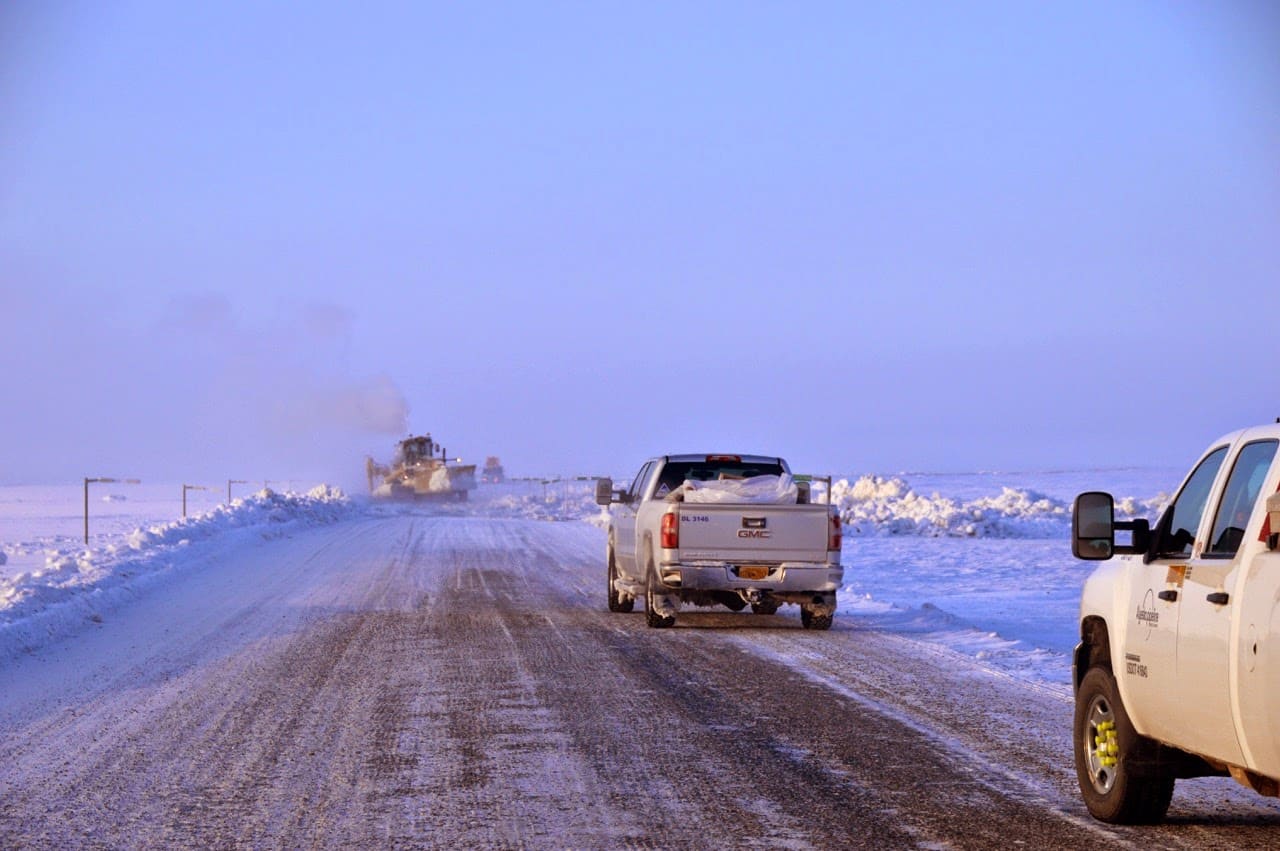
About 10 years ago, we made a bold decision that would lead to one of the most memorable and challenging adventures of our lives: heading north to the Arctic Ocean in the beginning of March. If you are considering driving deadhorse winter your preparation must be absolutely flawless. It was our very first time tackling this notorious stretch of the Dalton Highway during the frozen months, and we knew we were in for an unpredictable ride. We decided to split our trip into four days to safely manage the extreme conditions. The road was essentially a solid sheet of ice, and at many places, we couldn't drive faster than 30 miles per hour. But the stark, frozen beauty of the Alaskan Arctic made every slow, treacherous mile worth the effort. When driving deadhorse winter your mindset shifts from mere travel to active survival and profound appreciation for the wilderness.
The Allure and Danger of the Frozen North
Why would anyone choose to venture into the Arctic in March? For us, it was the call of the unknown. The Dalton Highway, originally built for the Trans-Alaska Pipeline, is one of the most isolated roads in North America. In the summer, it is a dusty, gravel-strewn challenge. But in the winter, it transforms into a mesmerizing, albeit perilous, ribbon of white. When driving deadhorse winter your vehicle is the only lifeline you have in a landscape that is as unforgiving as it is beautiful. The silence of the Arctic tundra is absolute, broken only by the crunch of studded tires on ice and the occasional roar of a passing semi-truck hauling supplies to the oil fields. If you are planning on navigating this route, checking out a comprehensive Dalton Highway guide is highly recommended. This is not a standard road trip; it is a full-blown expedition. For those driving deadhorse winter your itinerary must remain flexible to accommodate sudden weather shifts and unexpected delays.
Day 1: The Journey to Coldfoot
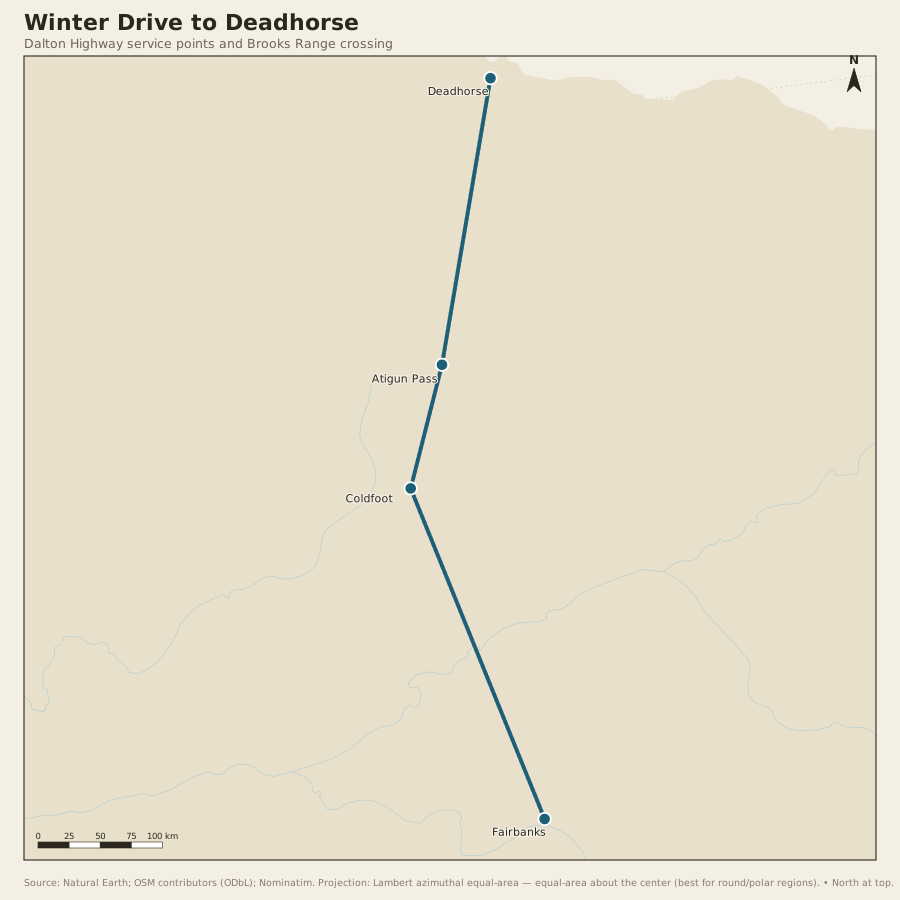
Our adventure began as we left the relative civilization of Fairbanks behind. The first day was a grueling test of endurance and patience. The ice-covered road demanded unwavering concentration, and the short daylight hours meant we were often driving in the twilight. We stayed in Coldfoot on the first night, a famous truck stop that serves as the halfway point between Fairbanks and Prudhoe Bay. We rented a room in a so-called hotel for about $300. To be completely honest, it wasn't very comfortable. The accommodations are essentially modular camp-style units designed for transient workers rather than tourists seeking luxury. However, because when driving deadhorse winter your standards for comfort quickly change, a warm bed and a locking door felt like a five-star experience. The extreme isolation drives up the cost of everything, from heating fuel to a simple cup of coffee, which explains the steep price tag for basic shelter.
Day 2: Crossing the Infamous Atigun Pass
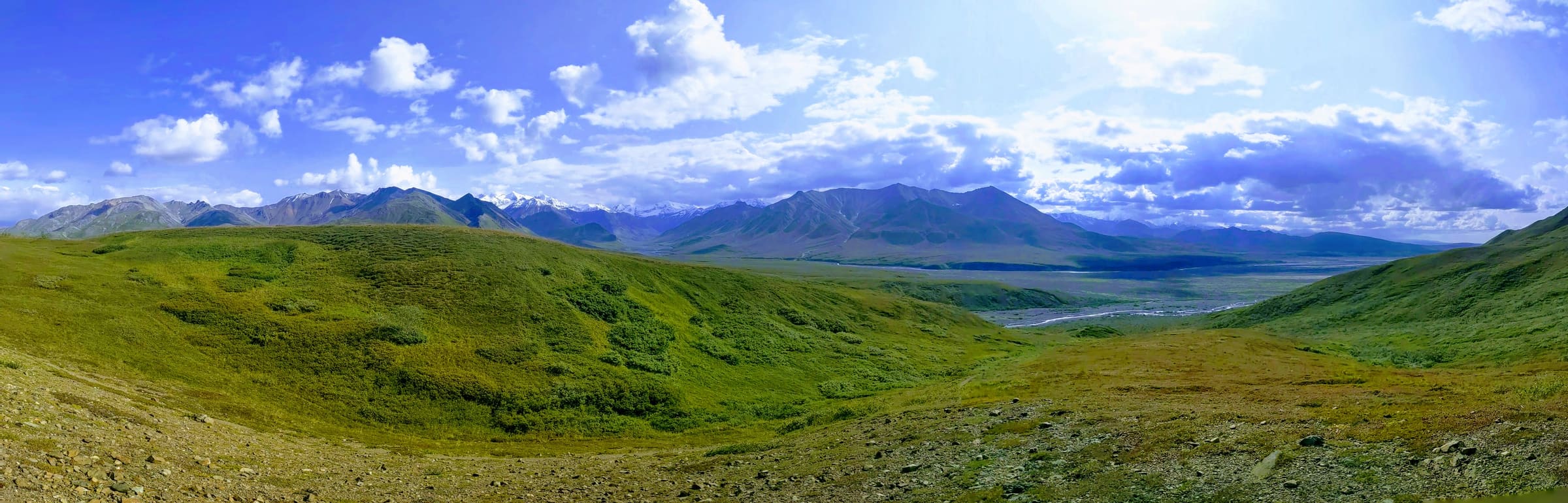
On the second day, the driving from Coldfoot to Deadhorse was much more dramatic. As we pushed further north, the boreal forest began to thin out, eventually giving way to the treeless expanse of the Arctic tundra. The highlight—and the most nerve-wracking portion—of the day was crossing the Atigun Pass. At an elevation of 4,739 feet, it is the highest highway pass in Alaska and the only road that crosses the Brooks Range. Crossing the Atigun Pass in March was a true adventure. The steep 12% grades were slick with ice, and the wind howled through the mountain peaks, creating localized whiteout conditions. When driving deadhorse winter your vehicle's four-wheel-drive system is critical. We highly recommend ensuring you have a capable 4WD Alaska road trip vehicle before attempting this climb. The descent was just as treacherous, requiring careful use of engine braking to avoid sliding off the sheer drops.
Arriving in Deadhorse: Hospitality at the End of the World
Reaching Deadhorse felt like arriving at a lunar outpost. The town is an industrial camp built entirely to support the Prudhoe Bay oil fields. There are no quaint downtown areas or tourist shops; everything is functional, elevated on gravel pads to protect the permafrost. We stayed in another "hotel" in Deadhorse, which shared the same modular, camp-like architecture as our lodging in Coldfoot. However, we were pleasantly surprised by the food. We were fed in a very tasty, all-you-can-eat buffet that catered to the hardworking oil rig crews. The hearty meals were exactly what we needed after hours of tense driving.
But the reality of our extreme environment was quickly reinforced. That evening, the manager of the hotel gave us a weather report for the next day with about 12 distinct warnings. These alerts started from severe icy road conditions and high winds, escalating all the way to a high risk of avalanches in the mountain passes we had just crossed. It was a sobering reminder of nature's power. When driving deadhorse winter your schedule is entirely dictated by the weather. You do not push through a storm in the Arctic; you wait it out.
Essential Preparation for the Arctic Winter
Looking back on that trip 10 years ago, it remains one of the more memorable drives of my life. But it is not an adventure to be taken lightly. If you are inspired to recreate this journey, meticulous preparation is mandatory. Before driving deadhorse winter your emergency kit needs a complete overhaul. You must carry a comprehensive survival kit that includes:
- Sub-zero sleeping bags rated for extreme Arctic temperatures
- Extra heavy-duty winter clothing, including insulated boots, parkas, and gloves
- Chemical hand warmers and emergency space blankets
- At least three days' worth of emergency food and water (stored in insulated containers so it doesn't freeze)
- A satellite communication device, as there is zero cell service north of Fairbanks
Furthermore, vehicle preparation cannot be overstated. Standard all-season tires will not suffice; you need studded winter tires or heavy-duty chains. A CB radio (tuned to channel 19) is essential for communicating with the truckers who share the road. When driving deadhorse winter your fuel strategy is another critical component. There are no gas stations between Coldfoot and Deadhorse—a stretch of 240 miles. Reviewing proper fuel planning in Alaska is necessary to ensure you carry enough extra fuel to account for the reduced mileage caused by four-wheel drive and idling to stay warm.
The Psychological Challenge of the Dalton Highway
Beyond the physical preparations, one must be mentally prepared for the Dalton Highway. The sheer isolation can be daunting. For hours at a time, you may not see another soul. The landscape is vast, white, and seemingly endless. The short daylight hours of early March mean you will likely be driving in the dark or twilight for significant portions of your journey. When driving deadhorse winter your mental fatigue can become dangerous. This is why we split our trip into four days. Limiting our driving time allowed us to maintain the intense focus required to navigate the ice safely. Taking frequent breaks, even if just to step outside and breathe the crisp, freezing air, helped keep us alert. In the context of driving deadhorse winter your safety is paramount, and pushing through exhaustion is a recipe for disaster.
The Rewards of the Journey
Despite the immense challenges, the rewards of this road trip are unparalleled. The Brooks Range covered in snow is a sight of breathtaking majesty. We were treated to spectacular displays of the Northern Lights dancing across the pitch-black Arctic sky, far away from any light pollution. We saw herds of caribou navigating the frozen tundra and caught glimpses of Arctic foxes in their pristine white winter coats. During this expedition, your connection to the wilderness is absolute. It is an experience that strips away the noise of modern life and leaves you in awe of the natural world. For anyone driving deadhorse winter your best resource is local knowledge, so always speak to the truckers and hotel managers along the route to get the latest road conditions.
Frequently Asked Questions
Is it safe to drive to Deadhorse in the winter?
Safety is relative when it comes to the Dalton Highway. While driving deadhorse winter your speed will naturally be reduced, and the risks are high. It is safe only if you are thoroughly prepared, driving a fully equipped 4WD vehicle with studded tires, carrying survival gear, and driving defensively. It is not recommended for novice winter drivers.
How long does it take to drive from Fairbanks to Deadhorse?
The distance is roughly 500 miles. In the summer, it can be done in two long days. However, in the winter, we highly recommend splitting the trip into at least four days round-trip, as we did. The icy conditions often restrict speeds to 30 mph or less, making long driving days incredibly taxing.
Are there places to stay and get fuel along the way?
Services are extremely limited. The primary stop is Coldfoot, located at mile 175 of the Dalton Highway. Here you can find fuel, food, and basic lodging. After Coldfoot, there are no public services for 240 miles until you reach Deadhorse. You must carry extra fuel and supplies.
Can I rent a car to drive the Dalton Highway?
Most standard rental car companies strictly prohibit driving their vehicles on the Dalton Highway, especially in winter. You will need to rent from a specialized outfitter in Fairbanks that provides vehicles specifically equipped for Arctic conditions, complete with CB radios and winter emergency kits.
What should I do if my vehicle breaks down?
If you experience a breakdown, stay with your vehicle. Your car provides shelter from the deadly wind chill. Use your CB radio to hail passing truckers, or use your satellite communication device to call for help. Never attempt to walk for help in the Arctic winter.
Start Planning Your Alaskan Adventure
After completing this journey, your perspective on road trips will change forever. It is a grueling, beautiful, and profoundly humbling experience that tests your limits and rewards you with sights few people will ever see. From the icy ascent of Atigun Pass to the hearty buffets at the end of the world, every moment is etched into our memories. For anyone driving deadhorse winter your ultimate goal is a safe return, armed with incredible stories of the frozen north. If you are ready to embark on your own Alaskan adventure, be sure to plan your trip with care, respect the elements, and embrace the wild.
See a real Alaska itinerary before you spend a dollar
A real 3-day plan with driving times, lodging picks, and a daylight chart — free, in your inbox.
One email. No spam. Unsubscribe anytime. Or view it right now — no email needed ↗
Ready for the full plan? Get your custom itinerary — from $197 · 5-day delivery →