Savoring the Wild: Campfire Cooking on the Last Frontier
An Alaskan adventure is the ultimate bucket-list journey, offering unparalleled vistas of towering glaciers, rugged mountain ranges, and pristine wilderness. While driving along the scenic highways of the North is an unforgettable experience, nothing connects you to this wild landscape quite like cooking your own meals over an open flame. To help you navigate the culinary side of your journey, here are essential campfire cooking tips alaska travelers can use to stay fueled, safe, and satisfied on the road.
Whether you are planning a quick, protein-packed breakfast sandwich before embarking on a challenging hike or simmering a large, comforting pot of rice and meat over an open fire after a long day of driving, outdoor cooking in Alaska requires a unique blend of preparation, adaptability, and safety awareness. This article shares practical recipes, essential gear recommendations, and crucial safety protocols to ensure your 2026 Alaskan road trip is as delicious as it is adventurous. To start mapping out your entire journey, check out our comprehensive Alaska road trip planner.
Essential Gear for Alaska Campfire Cooking
Cooking in the remote wilderness of Alaska is vastly different from backyard grilling. The weather can change in an instant, wind can disrupt your flame, and firewood may be damp from coastal rain. Having the right gear is the foundation of successful outdoor cooking.
The Versatility of Cast Iron
If you only bring one piece of cookware, make it a seasoned 10-inch or 12-inch cast-iron skillet. Cast iron retains heat exceptionally well, distributes it evenly, and can be placed directly onto hot coals or a campfire grate. It is perfect for searing meats, frying eggs, and baking camp bread. One consideration is its weight, which is negligible if you are traveling by vehicle but worth keeping in mind if you plan to hike into remote campsites.
Portable Stoves as a Reliable Backup
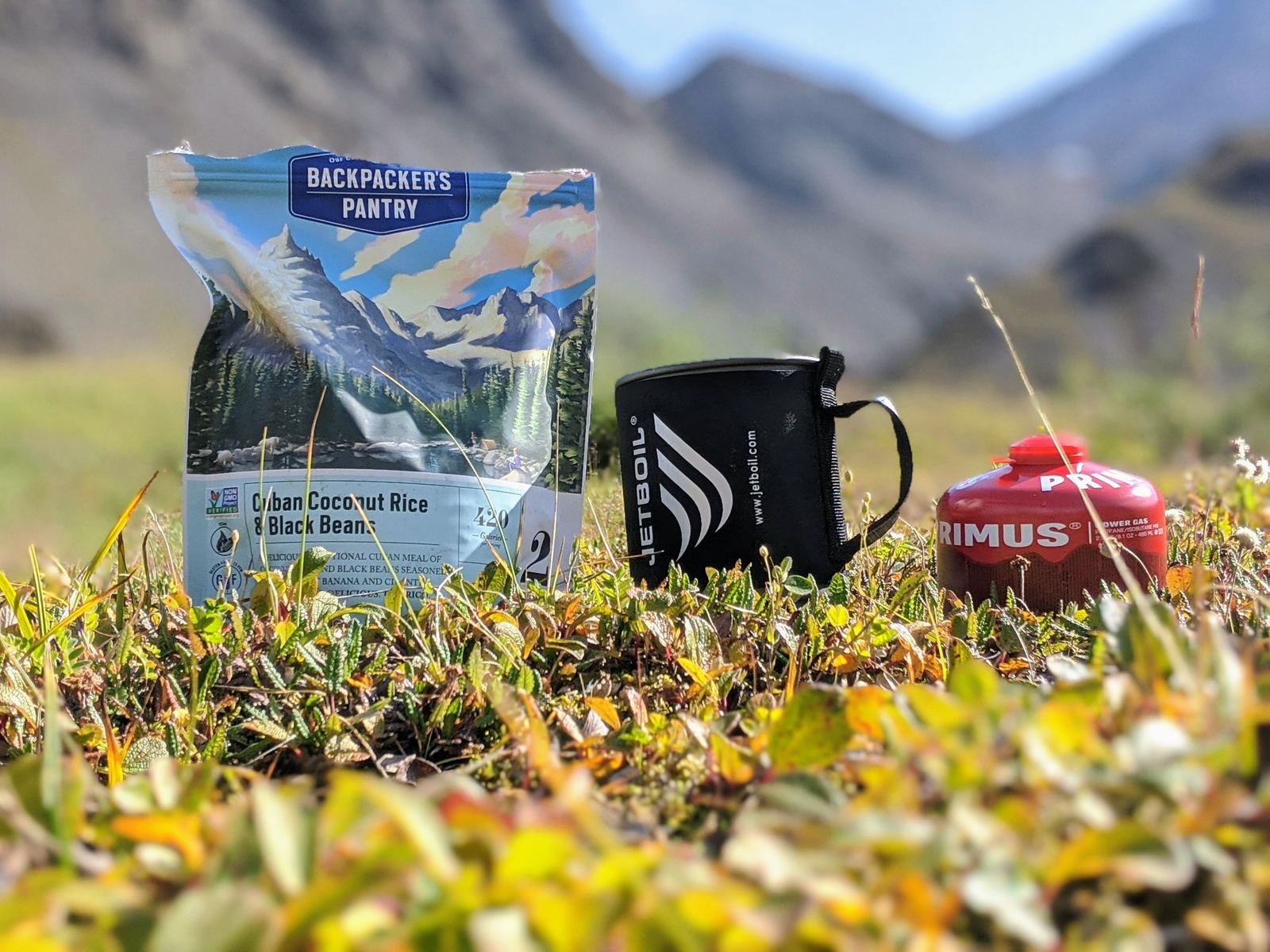
While cooking over wood embers is romantic, Alaskan weather can be unpredictable. Heavy rain or high winds can make starting a wood fire nearly impossible. Many experienced outdoor enthusiasts suggest packing a reliable dual-fuel or propane camping stove as a backup option. A compact single-burner stove can boil water in minutes for morning coffee or quick dehydrated meals when a campfire is not feasible.
Crucial Utensils and Accessories
Do not forget to pack long-handled tongs, a sturdy metal spatula, heat-resistant leather gloves, and heavy-duty aluminum foil. Aluminum foil is an outdoor chef's best friend; it can be used to create foil-pack meals, cover pans to retain heat, or even fashion makeshift windbreaks. For a complete list of what to bring on your journey, refer to our detailed Alaska road trip packing list.
Wildlife Safety and Food Storage in Alaska
When discussing campfire cooking tips alaska travelers must prioritize wildlife safety above all else. Alaska is home to robust populations of both black bears and grizzly bears. The aromas of sizzling bacon, seared steaks, and sweet marinades are highly attractive to these curious animals. Managing a clean campsite is key to preventing wildlife encounters.
The Golden Rules of Bear Safety
According to the National Park Service bear safety guidelines, keeping a clean camp is a key practice to avoid attracting bears. It is highly recommended to never leave food, trash, or cooking utensils unattended, even for a brief period. When you are finished cooking, it is best practice to store all food, coolers, and trash inside a locked vehicle or a certified bear-resistant food locker.
Many safety guidelines recommend establishing a "triangle" layout if you are tent camping: sleep at least 100 yards upwind from your cooking area and food storage site. This helps ensure that any food odors do not drift toward your sleeping quarters. For more detailed strategies on staying safe in the wilderness, read our Alaska wildlife safety guide.
Managing Greywater and Trash
According to the Leave No Trace Center for Outdoor Ethics, campers should avoid leaving food scraps on the ground near a campsite. It is recommended to strain your dishwater to catch food particles, pack those particles out with your trash, and broadcast the strained water at least 200 feet away from camp and water sources. Packing out every piece of garbage you generate helps protect the local ecosystem. In Alaska's cold climate, organic waste decomposes very slowly and can attract pests and predators long after you have departed.
Quick & Protein-Packed Breakfast Recipes
A hearty breakfast is essential to fuel your body for long hikes, wildlife viewing, or hours of driving. These recipes are designed to be quick, highly nutritious, and easy to clean up.
The Trailhead Breakfast Sandwich
This protein-packed sandwich can be assembled in minutes and cooked directly over the fire using a pie iron or a cast-iron skillet.
- Ingredients: English muffins, pre-cooked bacon or breakfast sausage patties, eggs, cheddar cheese slices, and a small pat of butter.
- Instructions: Butter the outside of the English muffin halves. Place the bottom half in your skillet or pie iron, layer with a slice of cheese, a piece of pre-cooked meat, and a cracked egg. Top with another slice of cheese and the other half of the muffin. Cook over medium campfire coals for 3 to 4 minutes per side, or until the egg is fully cooked and the cheese is melted and gooey.
- Why it works: Using pre-cooked meats reduces cooking time and eliminates the hassle of managing raw meat grease at your campsite.
Hearty Campfire Oats with Wild Berries
For a warm, comforting breakfast that requires minimal cleanup, campfire oatmeal is an excellent choice.
- Ingredients: Rolled oats, water or powdered milk, cinnamon, chia seeds, walnuts, and fresh Alaskan blueberries or salmonberries (if in season).
- Instructions: Bring water to a boil in a small pot over your camp stove or fire grate. Stir in the rolled oats, cinnamon, and chia seeds. Simmer for 5 minutes, stirring constantly to prevent burning. Remove from heat, stir in the walnuts, and top with fresh berries.
- Why it works: Chia seeds and walnuts provide healthy fats and sustained energy, keeping you full until lunch.
No-Cook and Quick-Cook Lunch Ideas
When you are in the middle of a scenic drive or halfway up a mountain trail, you do not want to spend an hour building a fire just to make lunch. These quick-cook and no-cook options keep you moving.
Alaskan Smoked Salmon Wraps
Take advantage of local ingredients by incorporating world-class Alaskan seafood into your daily menu.
- Ingredients: Large flour tortillas, cream cheese, locally sourced hot-smoked wild Alaskan salmon, fresh spinach, and sliced cucumbers.
- Instructions: Spread a thin layer of cream cheese over the tortilla. Flake the smoked salmon over the cream cheese, then layer with spinach and cucumber slices. Roll tightly, slice in half, and enjoy.
- Why it works: Hot-smoked salmon is shelf-stable until opened, packed with protein and omega-3 fatty acids, and requires absolutely no cooking.
Campfire Quesadillas
If you have a few minutes to spare at a roadside rest stop with an established fire ring, these quesadillas are a fast, warm lunch option.
- Ingredients: Tortillas, shredded Monterey Jack cheese, canned black beans (drained), and canned diced green chiles.
- Instructions: Place cheese, beans, and chiles on one half of a tortilla, then fold it over. Wrap the quesadilla securely in heavy-duty aluminum foil. Place the foil packet directly on warm campfire coals for 2 to 3 minutes per side until the cheese is melted.
Comforting & Hearty Dinner Recipes
After a long day of exploring, nothing beats gathering around the fire for a warm, filling meal. These dinners are designed to be comforting, easy to scale up for families, and simple to cook over an open flame.
One-Pot Alaskan Sausage and Rice
This comforting dish combines savory meats and grains into a single pot, minimizing cleanup and maximizing flavor.
- Ingredients: Smoked reindeer sausage (a local Alaskan favorite), instant white or brown rice, chicken broth, diced bell peppers, diced onions, and cajun seasoning.
- Instructions: Slice the reindeer sausage into rounds. In your cast-iron Dutch oven or deep skillet, sear the sausage over the campfire until browned. Add the diced peppers and onions, cooking until soft. Pour in the chicken broth and bring to a boil. Stir in the instant rice and cajun seasoning, cover with a tight-fitting lid, and move the pot to a cooler zone of the fire. Let it simmer for 5 to 10 minutes until the rice has absorbed all the liquid.
- Why it works: Reindeer sausage is highly flavorful, pre-cooked, and keeps well in a cooler. Instant rice cooks rapidly, saving precious fuel and time.
Foil-Pack Garlic Butter Salmon and Potatoes
Foil-pack cooking is one of the best campfire cooking tips alaska travelers can utilize because it seals in moisture and requires zero pots or pans to clean.
- Ingredients: Fresh wild Alaskan salmon fillets, thinly sliced baby red potatoes, minced garlic, butter, fresh dill, lemon slices, salt, and pepper.
- Instructions: Tear off a large sheet of heavy-duty aluminum foil. Place a layer of thinly sliced potatoes in the center (keep them thin so they cook quickly). Place the salmon fillet on top of the potatoes. Dot with butter, minced garlic, fresh dill, salt, and pepper. Top with two lemon slices. Fold the foil edges tightly to create a sealed packet. Place the packet on a campfire grate over medium coals for 15 to 20 minutes, or until the salmon flakes easily and the potatoes are tender.
Pro Campfire Cooking Tips Alaska Edition
To truly master outdoor cooking in the subarctic environment, keep these professional campfire cooking tips alaska guidelines in mind during your travels:
1. Source Firewood Locally
To help protect Alaska's pristine forests from invasive pests, it is recommended to avoid transporting firewood long distances. Instead, consider buying your firewood near the campsite where you plan to burn it. According to the Alaska Department of Natural Resources, moving firewood can spread destructive, non-native pests like the Asian longhorned beetle. Additionally, look for dry, seasoned wood; damp wood produces excessive smoke, which can ruin the flavor of your food and irritate your eyes.
2. Manage Your Heat Zones
Experienced camp cooks generally advise against cooking directly over roaring flames. High flames will char the outside of your food while leaving the inside raw. Instead, build your fire early and let it burn down until you have a thick bed of glowing red coals. Push the hot coals into different zones: a high-heat zone for searing meats, a medium-heat zone for simmering, and a low-heat zone for keeping food warm.
3. Practice Leave No Trace Principles
Respecting the land is a core part of any outdoor adventure. The Leave No Trace Center for Outdoor Ethics emphasizes minimizing campfire impacts. Use established fire rings whenever possible, burn wood completely to ash, and ensure your fire is completely extinguished with water until the coals are cold to the touch before leaving your campsite.
RV vs. Car Camping: How Your Cooking Setup Changes
Your culinary approach will depend heavily on the type of vehicle you choose for your journey. A comparison of an RV vs. car road trip in Alaska reveals distinct differences in kitchen capabilities.
| Feature | RV Camping Cooking | Car Camping Cooking |
|---|---|---|
| Storage Space | Ample; includes refrigerator, freezer, and pantry cabinets. | Limited; relies on coolers and compact storage bins. |
| Weather Independence | High; cook indoors on a propane stove if it rains. | Low; requires a tarp, canopy, or relying on a camp stove. |
| Prep Convenience | High; indoor countertops, running water, and sinks. | Moderate; requires folding tables and portable water jugs. |
| Campfire Integration | Optional; can choose to cook indoors or outdoors. | Essential; campfire or portable stove is the primary kitchen. |
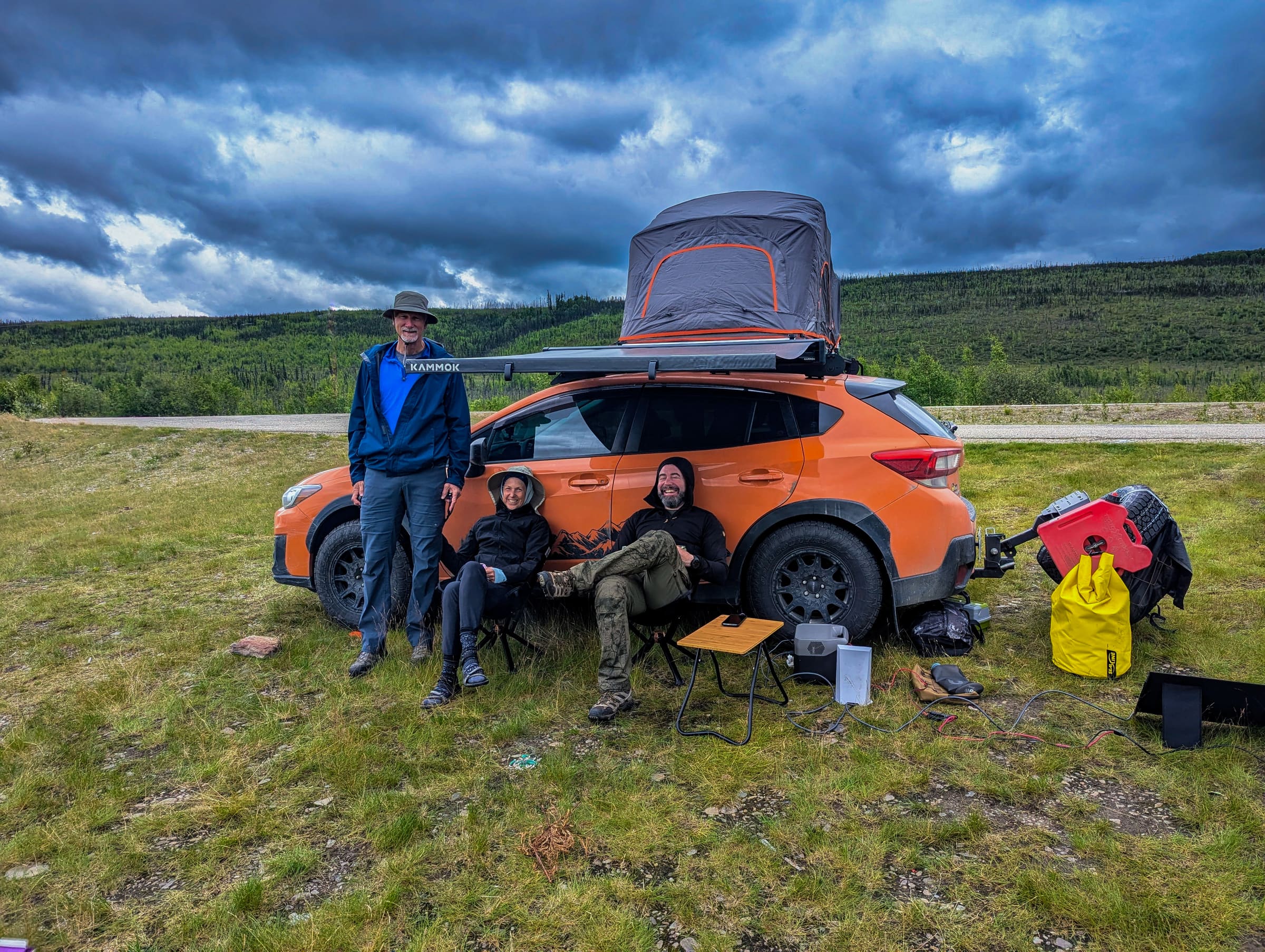
If you choose a car rental, focus on simple, one-pot meals and foil packets that require minimal prep space. If you rent an RV, you have the luxury of prepping ingredients indoors in a clean, wind-free environment before transferring them to the campfire for that authentic smoky flavor.
Frequently Asked Questions
Can I collect firewood anywhere in Alaska?
No. Firewood collection policies vary by land management agency. In many state parks and national parks, you are permitted to collect dead and down wood for immediate campfire use, but cutting standing trees, whether live or dead, is prohibited. It is highly recommended to check the specific regulations of the campground or public land where you are staying, or consult the Alaska Department of Natural Resources for regional updates, and when in doubt, purchase certified local firewood. Source: Nps source.
How do I keep bears away from my campfire kitchen?
To prevent attracting wildlife, the National Park Service bear safety guidelines advise keeping food within arm's reach and never turning your back to it. It is best practice to cook away from your sleeping area, wash dishes immediately after eating, and store all food, trash, and scented items (like toothpaste and soap) in a locked vehicle or bear-resistant container. Avoid burning food scraps or trash in your campfire, as the lingering odors can attract bears to the campsite later.
What is the best way to cook in rainy Alaskan weather?
If you encounter rain, a portable propane camp stove set up under a sturdy canopy or tarp is your best option. Trying to cook over a wet campfire can be frustrating and inefficient. If you must use a campfire, build a small cooking fire under a designated shelter if available, or use dry kindling and a tarp angled to shield the fire pit from direct rain while allowing smoke to escape safely.
Do I need a permit to build a campfire in Alaska?
Generally, you do not need a permit to build a campfire in established campgrounds with designated fire rings. However, during dry summer months, fire restrictions or burn bans may be implemented by state or federal agencies to prevent wildfires. often check current local fire conditions and restrictions before lighting any campfire.
Plan Your Ultimate Alaskan Culinary Adventure
Cooking over a campfire in Alaska is more than just a way to feed yourself—it is an integral part of the road trip experience, allowing you to slow down, appreciate the wilderness, and savor local flavors under the midnight sun. By preparing your gear, prioritizing wildlife safety, and mastering a few simple recipes, you will create memories that last a lifetime. Ready to start planning your dream route? Explore our expertly crafted itineraries at Alaska Road Trip to find the perfect path for your next great outdoor adventure.
See a real Alaska itinerary before you spend a dollar
A real 3-day plan with driving times, lodging picks, and a daylight chart — free, in your inbox.
One email. No spam. Unsubscribe anytime. Or view it right now — no email needed ↗
Ready for the full plan? Get your custom itinerary — from $197 · 5-day delivery →