The Stark Reality of an Alaskan Highway Emergency
When you get a flat tire on Interstate 95, the protocol is simple and stress-free. You pull over to the side of the road, engage your emergency hazard lights, call AAA, and wait for about 15 minutes to get rescued by a friendly tow truck driver. You might even grab a coffee at the next exit shortly after. But when a similar situation occurs while driving dalton highway, the rules of survival completely change, and things get a lot more interesting.
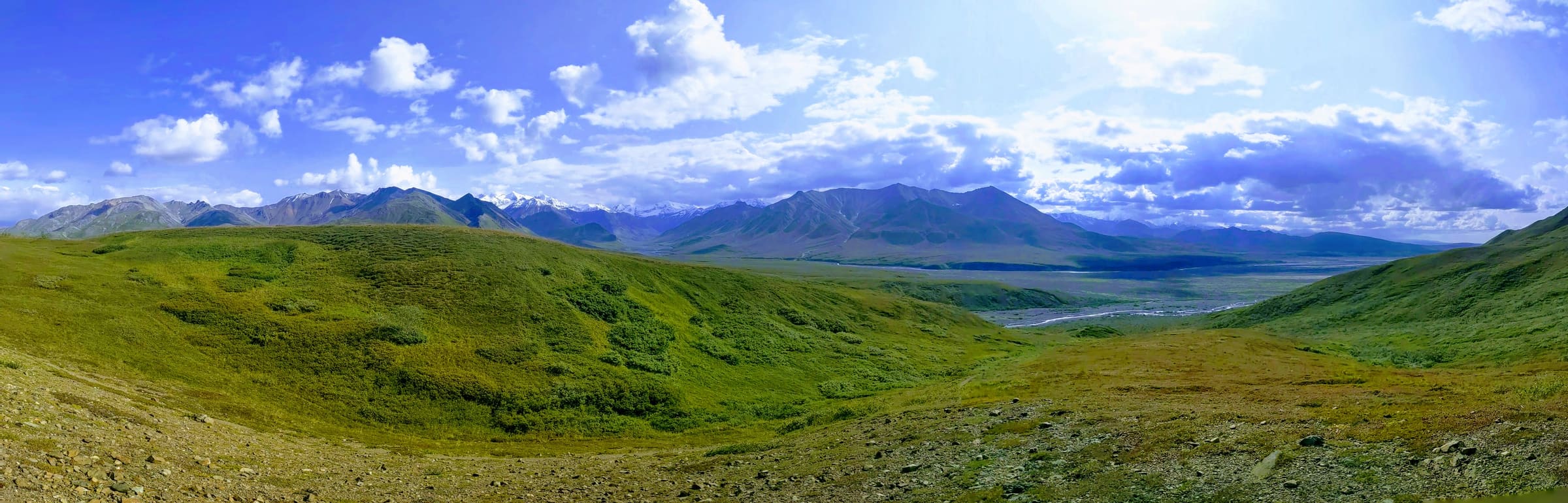
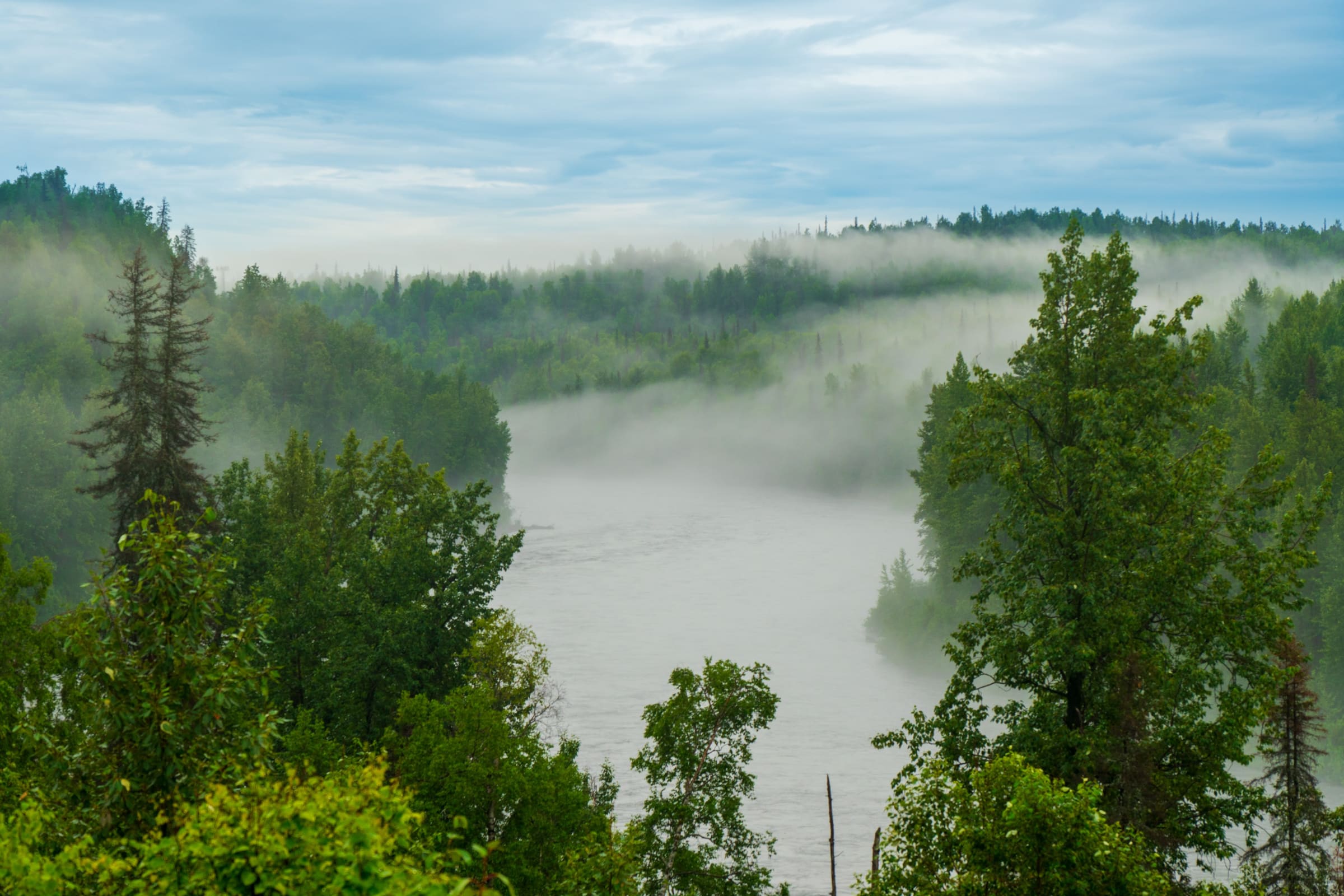
The James Dalton Highway, often referred to simply as the Haul Road, is a 414-mile stretch of dirt, gravel, and unforgiving terrain that cuts through the heart of the Alaskan wilderness. It was built to support the Trans-Alaska Pipeline, and it remains one of the most isolated roads in North America. There are no coffee shops, no regular service stations, and certainly no quick roadside assistance. When you are driving dalton highway, you are entirely on your own—or at the mercy of the few souls brave enough to traverse it alongside you.
Our Unforgettable Emergency on the Haul Road
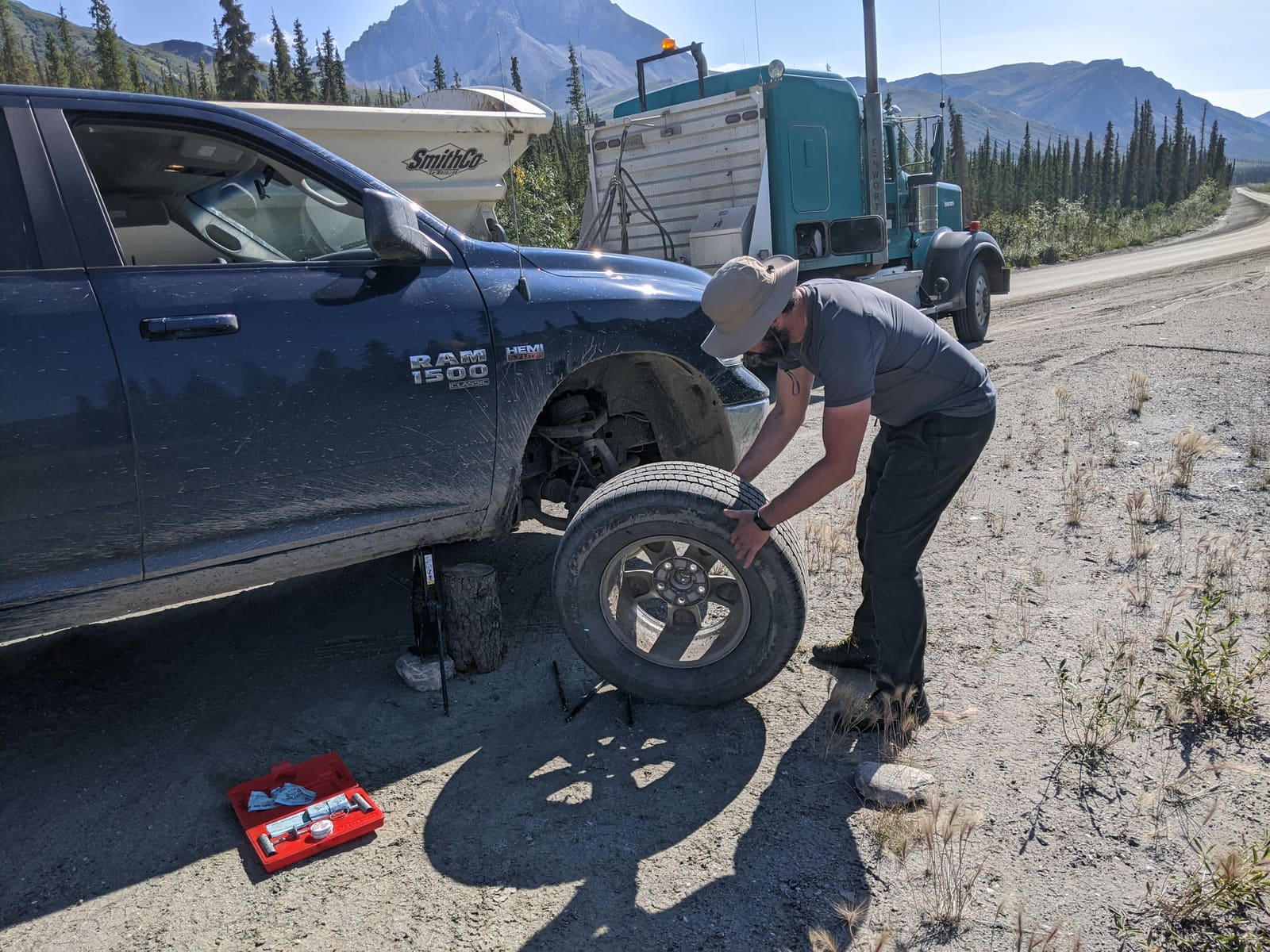
Our emergency began like any other: with the unmistakable, heart-sinking sound of a tire giving out. We carefully pulled our vehicle over to the soft, gravelly shoulder of the road, dust billowing around us in the quiet Alaskan air. We stepped out to assess the damage, expecting a minor inconvenience. That is when the true gravity of our situation began to set in.
First, we opened the trunk only to discover that we didn't have a spare tire on our rental vehicle. This is a critical error that many first-time visitors make. Second, we checked our phones and realized that we hadn't had cell service for the last three hours. In fact, three hours ago was also the last time we had seen another passenger car. The silence of the Arctic tundra was deafening. We were stranded.
The Saviors of the Dalton: Alaska's Truck Drivers
On the Dalton Highway, there is no AAA. There is no emergency dispatch to call when your smartphone is nothing more than a heavy piece of glass and metal. Out here, the truck drivers are the saviors. They are the lifeblood of the road, hauling massive loads to Prudhoe Bay, and they look out for those in distress.
Our savior's name was Eadie. After we had managed to remove the punctured tire from the axle, we stood next to our injured vehicle, feeling incredibly small in the vast landscape. We waited for about 40 agonizing minutes until the rumble of a heavy-duty truck broke the silence. As Eadie's rig approached, both of us were waving vigorously with our hands, praying she would stop. Thankfully, she did.
Eadie hopped out of her cab, assessed the situation with a calm, experienced eye, and immediately put on her work gloves. She pulled out her own heavy-duty repair kit and tried to help us plug the hole in the tire right there on the side of the dirt road. Unfortunately, the sharp Alaskan shale had done its worst; the hole was simply too big to be plugged.
The Long Journey to Coldfoot
Realizing the tire was a lost cause, Eadie generously agreed to give us a ride to Coldfoot, a remote truck stop and camp which was about 1.5 hours south of where we were stranded. Riding in the cab of her massive truck, we gained a newfound respect for the professionals who make a living driving dalton highway every single day.
From that point, things became a bit less exciting and a lot more logistical. We had to arrange for a proper rescue and a new tire from the limited resources available at the truck stop. It took us about 5 hours from the time of the initial discovery of the flat until we were finally back on the road again with a functional vehicle. We eventually got home around 3 AM the next morning, exhausted, covered in dust, but incredibly grateful. Despite the stress, this was undeniably the most memorable day thus far in our second Alaska trip. Thank you, Eadie, for saving our asses!
Essential Lessons for Driving Dalton Highway
Our misadventure was a harsh but valuable teacher. If you are planning on driving dalton highway, you cannot treat it like a standard American road trip. It requires meticulous preparation, the right equipment, and a deep respect for the environment. Here is our comprehensive navigational and survival guide to ensure you don't end up stranded like we did.
1. Vehicle Preparation is Non-Negotiable
The biggest mistake we made was trusting a standard rental car without verifying its equipment. Most standard rental car companies explicitly prohibit driving dalton highway because the gravel destroys paint jobs, cracks windshields, and shreds standard highway tires. If you plan to tackle this route, you must rent from a specialized outfitter that allows travel on unpaved roads.
When renting a 4WD for your Alaska road trip, ensure the vehicle comes equipped with not just one, but two full-size spare tires mounted on rims. A simple donut spare is entirely useless on the Haul Road. Additionally, carry a heavy-duty jack, a lug wrench that actually fits your wheels, an air compressor, and a high-quality tire plug kit. As Eadie showed us, knowing how to plug a tire can be the difference between a 20-minute delay and a 5-hour ordeal.
2. Communication in the Dead Zone
As we learned the hard way, cell service is virtually non-existent once you leave the Fairbanks area. You cannot rely on your smartphone for navigation or emergencies while driving dalton highway. You must bring alternative forms of communication.
- Satellite Messenger: Devices like a Garmin inReach or Zoleo allow you to send SOS signals and text messages via satellite. This is a mandatory piece of safety gear.
- CB Radio: Truckers use CB radios to communicate road conditions and coordinate passing. Tuning into Channel 19 can give you a heads-up on incoming wide loads or hazards.
- Physical Maps: Always carry a detailed, physical topographical map of the route. Milepost markers are your primary way of communicating your location if you do need to call for help.
3. Navigational Etiquette and Trucker Right-of-Way
The Dalton Highway is a commercial, industrial road first and a tourist route second. The big rigs have the absolute right of way. When you see a truck approaching, especially if it is kicking up a massive cloud of dust, the safest navigational practice is to slow down significantly and pull as far over to the right as safely possible. Sometimes, it is best to come to a complete stop until the truck passes to avoid flying rocks that can shatter your windshield.
Never stop in the middle of the road, on a blind curve, or at the crest of a hill to take photos. Always find a designated pull-out. The trucks cannot stop quickly on gravel, and poor navigational choices by tourists often lead to severe accidents.
4. Packing for Survival
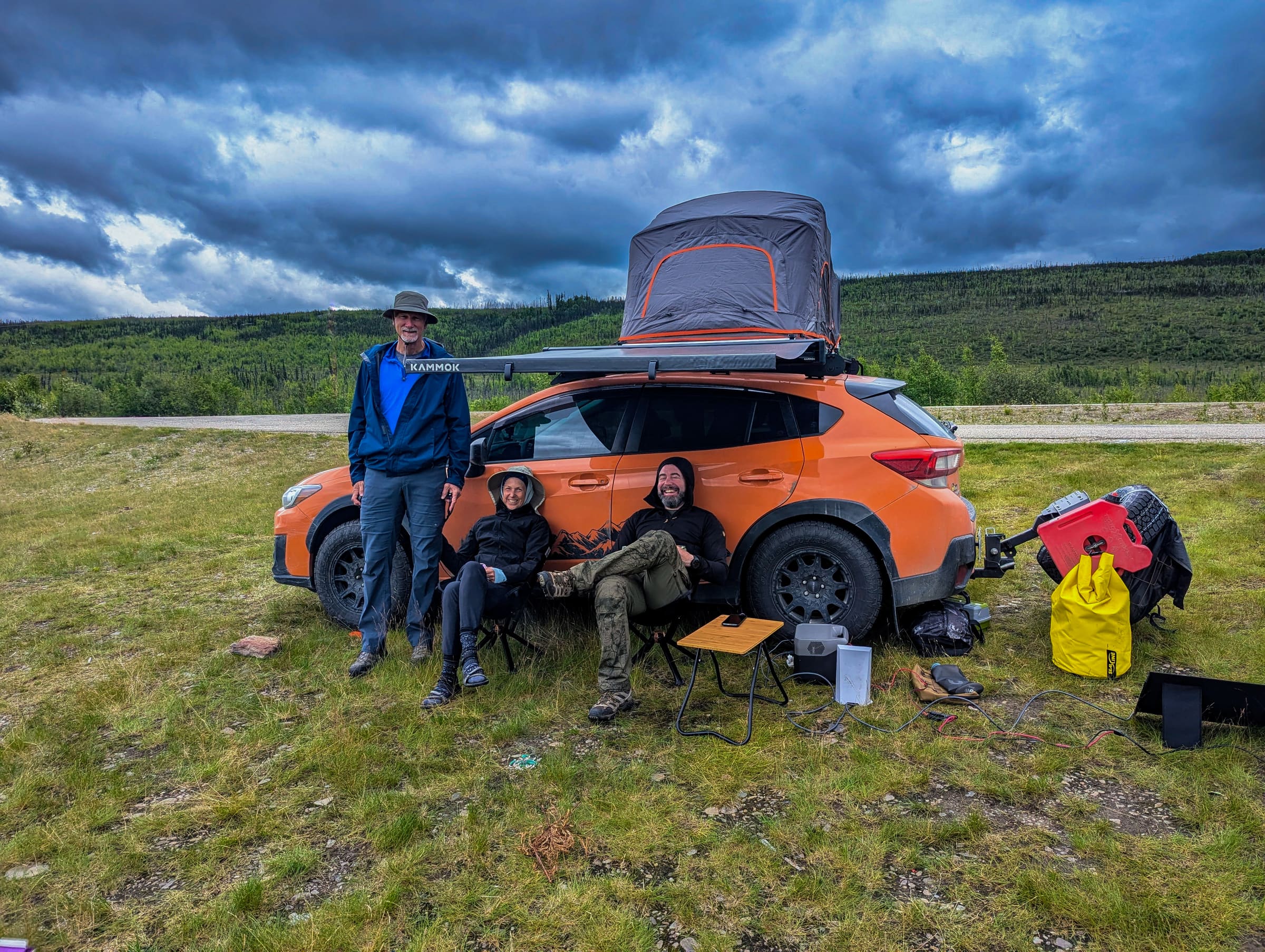
Because a breakdown can leave you stranded for hours—or even days if the weather turns bad—you must pack your vehicle as if you are going to camp in it. Even in the middle of summer, temperatures in the Brooks Range and on the North Slope can plummet below freezing. Review a comprehensive Alaska road trip packing list before you depart.
Your emergency kit should include:
- Several gallons of extra drinking water.
- Non-perishable food items (energy bars, jerky, canned goods) to last at least 48 hours.
- Sub-zero sleeping bags and emergency Mylar blankets.
- A comprehensive first-aid kit.
- Extra layers of warm clothing, including waterproof jackets and heavy gloves.
5. Fuel Planning and Logistics
Running out of gas on the Dalton is just as dangerous as getting a flat tire. There are only three places to buy fuel along the entire 414-mile route: the Yukon River Camp (Mile 56), Coldfoot (Mile 175), and Deadhorse (Mile 414). You must top off your tank at every single opportunity, regardless of how much fuel you think you have left. For a deeper dive into managing your gas tank in the wilderness, check out our guide on fuel planning in Alaska.
Frequently Asked Questions
Is it safe to be driving dalton highway?
Driving dalton highway is safe only if you are adequately prepared, driving an appropriate vehicle, and respecting the rules of the road. It is not a casual scenic drive. The terrain is rough, the weather is unpredictable, and the isolation is extreme. If you prepare for the worst and drive defensively, you can safely enjoy the incredible Arctic scenery.
Do I need a 4x4 vehicle for the Dalton Highway?
While a 4x4 is not strictly legally required, it is highly recommended. The road is primarily gravel, dirt, and mud. When it rains, the calcium chloride used to treat the road turns into a slick, greasy mud that can easily cause a 2WD vehicle to lose traction. High clearance and four-wheel drive provide a necessary margin of safety.
How long does it take to drive the Dalton Highway?
Navigating the entire length from the Elliot Highway junction north of Fairbanks to Deadhorse typically takes 12 to 16 hours of pure driving time each way. However, due to the rough conditions, you should never attempt this in a single day. Most travelers break the trip up, spending a night in Coldfoot or Wiseman before continuing over the Atigun Pass to the North Slope.
Are there any medical facilities on the Haul Road?
No. There are no public hospitals or clinics along the Dalton Highway. The nearest major medical facilities are in Fairbanks. In the event of a severe medical emergency, a medevac flight is the only option, which highlights the importance of carrying a satellite communication device.
Plan Your Ultimate Alaskan Adventure
Our emergency on the Haul Road was a stark reminder of the wild, untamed nature of the Last Frontier. While driving dalton highway is an adventure of a lifetime, it requires serious respect and preparation. Don't let a preventable mistake ruin your journey. If you want to experience the breathtaking beauty of Alaska without the stress of logistical nightmares, let the experts help. Reach out to us today to plan your custom Alaska travel itinerary, and we will ensure you have the right vehicle, the right gear, and the right knowledge to conquer the wild safely.
See a real Alaska itinerary before you spend a dollar
A real 3-day plan with driving times, lodging picks, and a daylight chart — free, in your inbox.
One email. No spam. Unsubscribe anytime. Or view it right now — no email needed ↗
Ready for the full plan? Get your custom itinerary — from $197 · 5-day delivery →