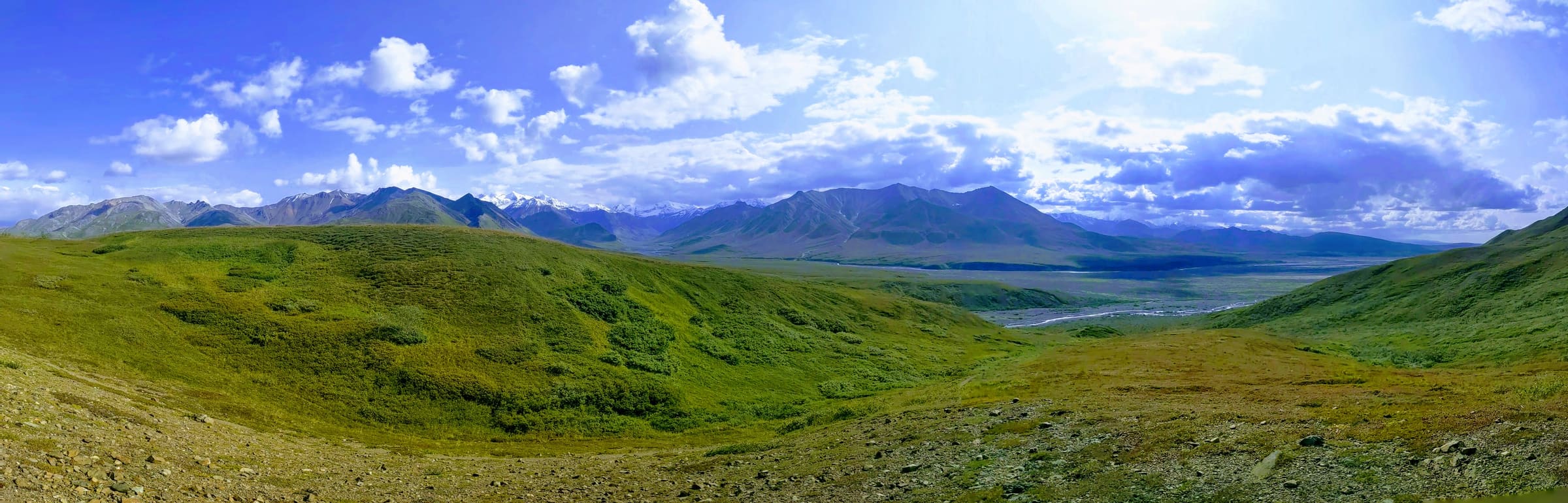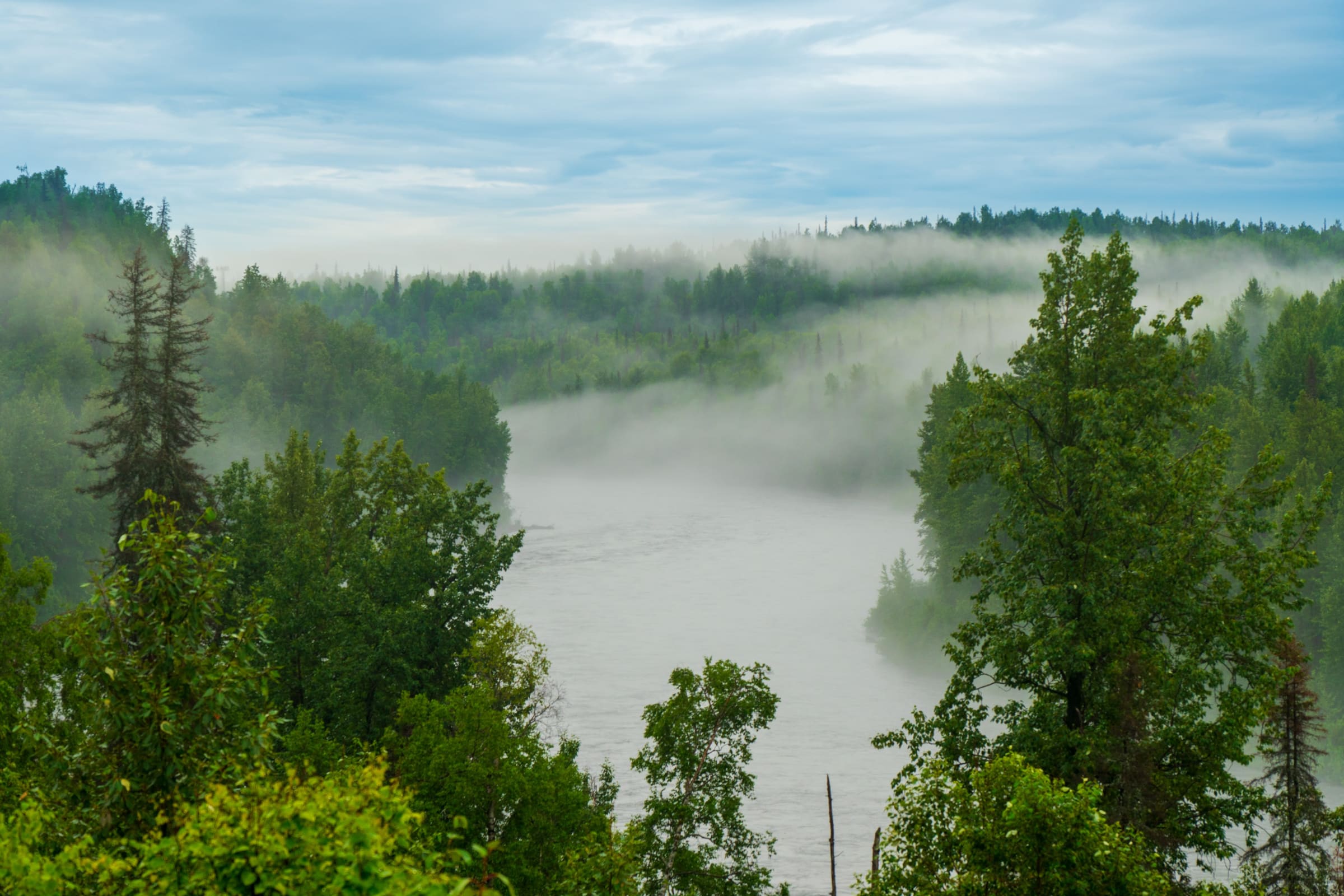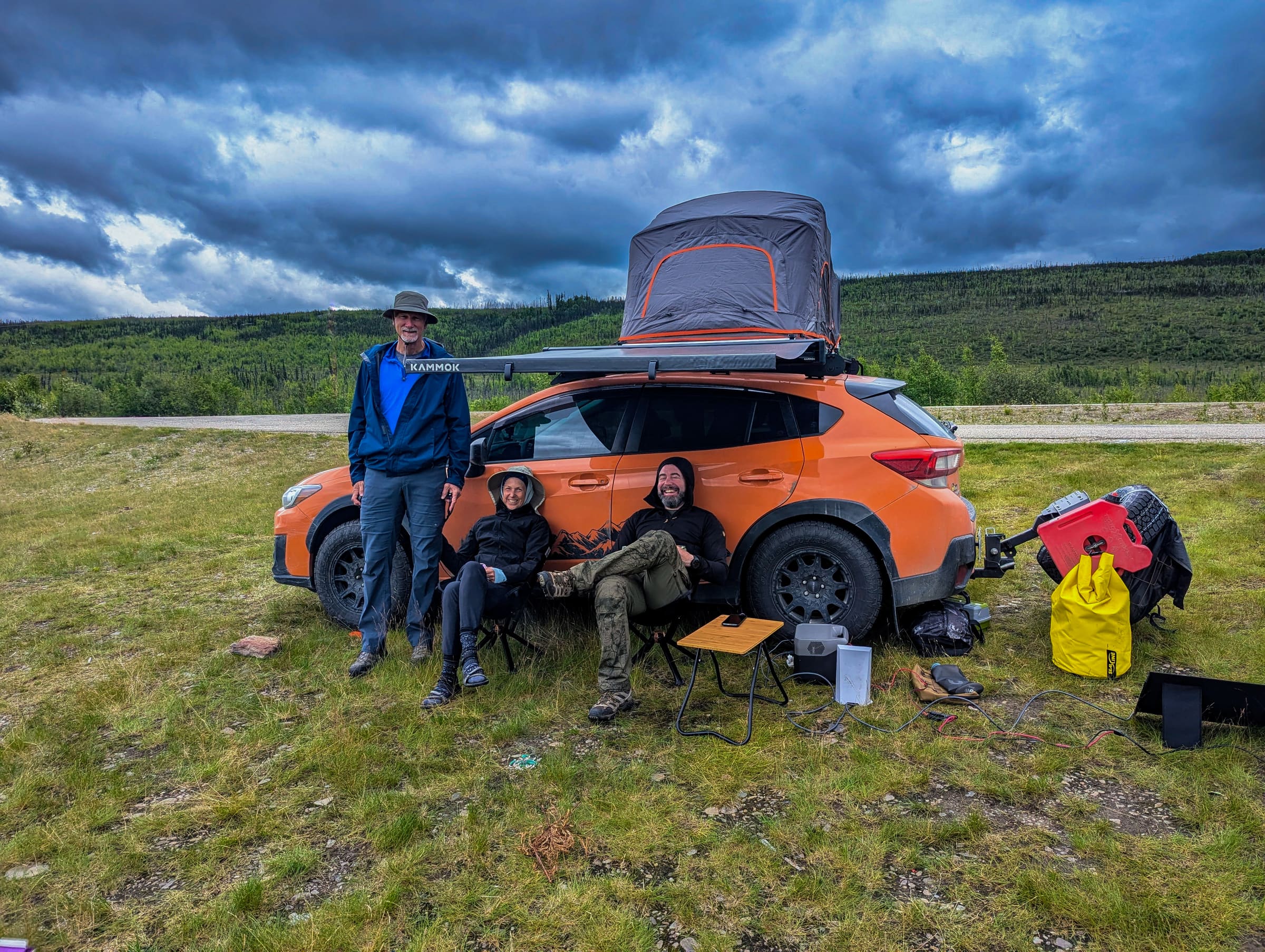
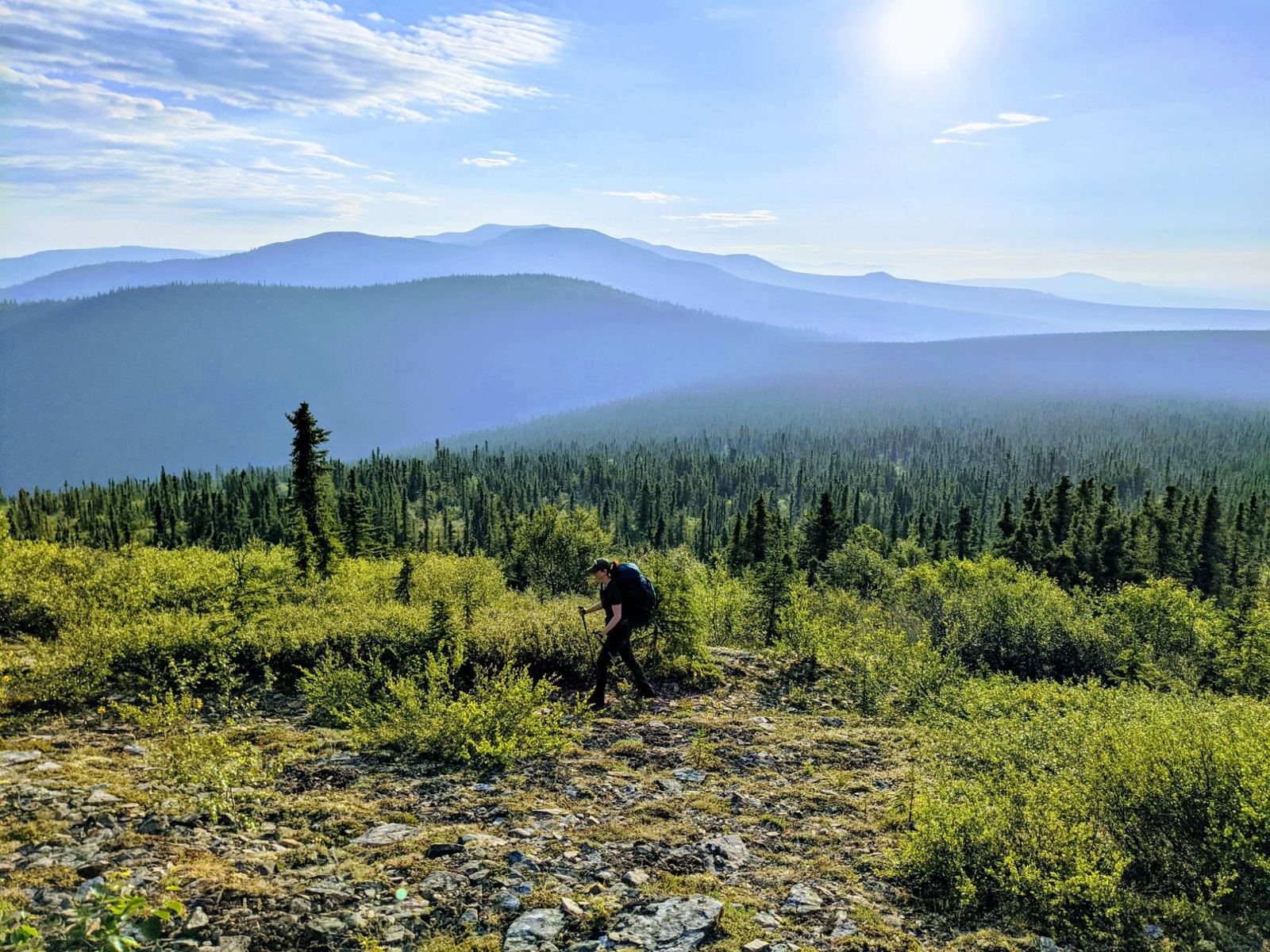
Alaska. The very name conjures images of vast, untamed wilderness, towering peaks, and wildlife roaming free. For many, an Alaska road trip itinerary is the ultimate dream, a chance to reconnect with nature on an epic scale. Yet, a common lament among travelers is the unexpected crowds at the most iconic viewpoints and trails. Everyone flocks to the same five "Instagram-famous" spots, often diminishing the very sense of solitude they sought. If your vision of Alaska involves a wilderness experience without the constant hum of fellow tourists, you have to look beyond the top 10 lists. This guide will equip you with the knowledge and skills to find those quiet trails, understand the land, and explore responsibly, ensuring your 2026 adventure is truly your own.
The Allure of Uncharted Alaska: Beyond the Crowds
There's a profound difference between seeing Alaska and experiencing Alaska. While the popular sites like Denali's main viewpoints or the Exit Glacier trail offer undeniable beauty, they often come with packed parking lots and bustling pathways. The true magic of Alaska, for many, lies in its silence, its immensity, and the feeling of being a small part of something vast and wild. This isn't about shunning popular destinations entirely, but about augmenting your journey with moments of genuine solitude, where the only sounds are the wind, the rustle of leaves, or the distant call of a bird.
Seeking out these less-traveled paths requires a shift in mindset and a willingness to learn new skills. It's about trading convenience for discovery, and popular photo ops for personal, unforgettable encounters with the Alaskan wilderness. This approach not only enhances your personal experience but also helps distribute visitor impact, preserving the most fragile areas for future generations. Imagine standing on a ridge overlooking an untouched valley, knowing you're one of the few to witness that particular vista. That's the solitude we aim to help you find.
Mastering Topographic Maps for Hidden Gems
The first and most crucial tool in your quest for quiet trails is the topographic map. Forget the simplified tourist maps; topo maps are the detailed blueprints of the land, revealing elevation changes, water features, and subtle terrain nuances that can lead you to hidden ridges and secluded valleys. Understanding them is like learning the secret language of the wilderness.
What Are Topographic Maps and Why Are They Essential?
Topographic maps use contour lines to represent elevation. Each line connects points of equal elevation, and the closer the lines are, the steeper the terrain. Widely spaced lines indicate gentle slopes, perfect for easier hiking, while tightly packed lines signal a challenging ascent or descent. The U.S. Geological Survey (USGS) is the primary source for these detailed maps, offering a wealth of information about the physical features of the landscape. You can explore and download these invaluable resources directly from the USGS website.
Reading the Landscape: Beyond the Lines
- Contour Lines: As mentioned, these are your primary guide. Look for V-shapes pointing uphill (indicating a valley or drainage) or U-shapes pointing downhill (indicating a ridge). A saddle will appear as an hourglass shape between two peaks.
- Water Features: Rivers, streams, lakes, and glaciers are clearly marked. Water sources are vital for planning, but also often define valleys and potential travel corridors.
- Vegetation: While not often perfectly current, topo maps often indicate areas of dense forest, open tundra, or wetlands, which can help you anticipate bushwhacking challenges or open vistas.
- Scale and Declination: Pay attention to the map's scale (e.g., 1:24,000), which tells you how much real-world distance each unit on the map represents. Crucially, understand magnetic declination – the difference between true north and magnetic north. Your compass will point to magnetic north, so you'll need to adjust for declination to navigate accurately, especially in Alaska where it can be significant.
- Grid Systems: Familiarize yourself with UTM (Universal Transverse Mercator) or Latitude/Longitude grids for precise location pinpointing, especially when using a GPS device.
Integrating Digital Tools
While paper maps are indispensable for their reliability in remote areas, modern digital mapping apps like Gaia GPS or CalTopo can greatly enhance your planning. These apps allow you to overlay various map layers (satellite imagery, public land boundaries, historical topo maps), plot waypoints, and record your tracks. They are excellent for pre-trip research and real-time navigation, but always carry a physical map and compass as a backup, especially on an Alaska road trip packing list where cell service is often non-existent.
Navigating Land Ownership: Ethical Access to the Wild
Alaska's vastness is matched only by the complexity of its land ownership. Unlike many other states, Alaska features a unique mosaic of federal, state, borough, Native Corporation, and private lands. Understanding who owns the land you plan to explore is not just about legality; it's about ethical access, respecting local customs, and ensuring the long-term health of these fragile ecosystems.
The Patchwork of Alaskan Lands
- National Parks & Preserves: Managed by the National Park Service, these areas often have strict regulations regarding off-trail travel, camping, and resource protection. Permits may be required for backcountry access.
- National Forests: Managed by the U.S. Forest Service, these lands generally offer more flexibility for dispersed camping and off-trail exploration, but still have specific rules.
- Bureau of Land Management (BLM) Lands: BLM manages vast tracts of public land in Alaska, often allowing for dispersed recreation. These can be prime areas for finding solitude, but it's crucial to verify specific regulations. You can find maps and information on land status through the Bureau of Land Management website.
- Alaska State Parks & Forests: Managed by the Alaska Department of Natural Resources, these areas vary widely in their regulations. Some are highly developed, while others offer extensive wilderness opportunities.
- Native Corporation Lands: These are privately owned lands belonging to Alaska Native corporations. Access is generally restricted and requires explicit permission. Trespassing can have serious consequences.
- Private Property: Just like anywhere else, private lands require permission from the landowner.
Why Land Ownership Matters for Your Alaska Road Trip Itinerary
Ignoring land ownership boundaries can lead to fines, legal issues, and damage to sensitive areas. More importantly, it undermines the trust between visitors and local communities, including Alaska Native communities who have stewarded these lands for millennia. Before venturing off a known trail, often consult land status maps and cross-reference with official sources, even when using digital mapping apps that include public land boundary overlays.
When planning your Alaska itinerary planning services, we at Alaska Road Trip emphasize the importance of this research. It's not just about finding a spot; it's about finding it responsibly and respectfully.
The Art of Low-Impact Exploration: Treading Lightly
Alaska's wilderness, while robust in appearance, is incredibly fragile. The short growing season, permafrost, and unique ecosystems mean that impacts from human activity can last for decades, sometimes centuries. Practicing low-impact exploration, guided by the Leave No Trace (LNT) principles, is not just a suggestion; it's a responsibility for anyone seeking solitude in this pristine environment.
The Seven Principles of Leave No Trace in Alaska
The Leave No Trace Center for Outdoor Ethics provides a framework for responsible outdoor recreation. Here's how they apply specifically to your Alaskan adventure:
- Plan Ahead and Prepare: This is paramount in Alaska. Weather can change in minutes, and help can be days away. Research your route, know the local regulations, pack appropriate gear (including extra food, water, and emergency supplies), and inform someone of your plans. This also includes understanding the unique challenges of wildlife safety in Alaska, particularly in bear country.
- Travel and Camp on Durable Surfaces: Stick to established trails whenever possible. When off-trail, choose rock, gravel, dry grasses, or snow. Avoid sensitive areas like tundra, moss, or wet meadows, where a single boot print can take years to heal. For camping, use existing campsites or choose durable, well-drained spots at least 200 feet from water sources.
- Dispose of Waste Properly: Pack it in, pack it out – everything. This includes all trash, food scraps, and even toilet paper. Human waste should be buried in a cathole 6-8 inches deep and at least 200 feet from water, trails, and campsites. In some fragile areas, packing out human waste may be required.
- Leave What You Find: Resist the urge to collect souvenirs like rocks, plants, or antlers. Leave natural objects and cultural artifacts undisturbed for others to discover and enjoy.
- Minimize Campfire Impacts: Campfires can be magical, but they leave a lasting scar. Use existing fire rings, keep fires small, and only use dead and downed wood that can be broken by hand. Better yet, use a camp stove for cooking and a headlamp for light to minimize impact.
- Respect Wildlife: Observe wildlife from a distance. rarely approach, feed, or follow animals. Store food and scented items securely in bear-resistant containers or hung from trees to prevent attracting wildlife. Be aware of nesting birds and denning animals.
- Be Considerate of Other Visitors: Even when seeking solitude, you might encounter others. Yield to uphill hikers, keep voices and noise levels down, and allow the sounds of nature to prevail.
Alaska-Specific Considerations
- Tundra and Permafrost: Much of Alaska's interior and northern regions are covered in tundra, a delicate ecosystem growing over permafrost. Any disturbance can melt the permafrost, leading to erosion and long-term damage. Stick to dry, durable surfaces.
- Bear Country: Alaska is prime bear habitat. Carry bear spray, know how to use it, and make noise while hiking. Store food properly.
- Water Crossings: Many quiet trails involve unbridged stream or river crossings. Assess water levels and current carefully before attempting a crossing.
- Weather Extremes: Be prepared for rapid changes in weather, including sudden drops in temperature, rain, or even snow, regardless of the season.
Crafting Your Solitude-Focused Alaska Road Trip Itinerary
Now that you're armed with the knowledge of topo maps, land ownership, and low-impact principles, it's time to integrate these into your Alaska road trip planner. This isn't just about finding a single quiet trail; it's about designing an entire journey that prioritizes genuine wilderness immersion.
Strategic Planning for Seclusion
- Embrace Shoulder Seasons: While summer (June-August) is popular, consider a shoulder season Alaska road trip (late May/early June or September). You'll find fewer crowds, potentially lower costs, and unique natural beauty, though some services might be limited.
- Target Less-Traveled Regions: While the Kenai Peninsula and Denali Highway are popular, consider areas like the Wrangell-St. Elias National Park and Preserve (though access can be challenging), parts of the Interior, or even specific sections of the Alaska Highway that are further from major hubs.
- Allocate Time for Exploration: Don't overschedule. Build in buffer days to allow for spontaneous exploration based on your map research, or simply to linger longer in a spot you discover.
- Consider Backcountry Permits: For true solitude in National Parks or certain wilderness areas, you'll often need a backcountry permit. Research these well in advance, as quotas can fill up, especially for 2026 travel.
Essential Gear for Off-the-Beaten-Path Adventures
Your Alaska road trip packing list for quiet trails will differ slightly from a standard tourist trip. Beyond the basics, consider:
- Reliable Navigation: Paper topo maps, a compass, and a fully charged GPS device or satellite communicator (e.g., InReach).
- Bear Protection: Bear spray (and knowledge of how to use it) is non-negotiable.
- Layered Clothing: Alaska weather is notoriously unpredictable. Layers are key to adapting to rapid temperature changes.
- Water Filtration: A water filter or purification tablets are essential for accessing safe drinking water from natural sources.
- Sturdy Footwear: Waterproof hiking boots with good ankle support are crucial for varied terrain.
- Emergency Shelter/First Aid: A lightweight emergency shelter, comprehensive first-aid kit, and signaling device.
Finding solitude in Alaska is an active pursuit, not a passive expectation. It requires preparation, respect, and a willingness to engage deeply with the landscape. By embracing these principles, your 2026 Alaska road trip itinerary will be more than just a vacation; it will be an authentic journey into the heart of the Last Frontier.
Frequently Asked Questions
Is it safe to hike alone in Alaska's remote areas?
Hiking alone in remote Alaskan areas carries inherent risks, primarily due to wildlife encounters (especially bears), unpredictable weather, and the vast distances from assistance. While many experienced hikers do it, it's generally recommended to hike with a partner. If you do go alone, ensure you have a satellite communication device (like an InReach or SPOT), inform someone of your exact itinerary, carry bear spray, and have extensive wilderness survival knowledge. often prioritize safety over solitude.
How do I prepare for unexpected weather changes on quiet trails?
Alaska's weather can shift dramatically and quickly, even in summer. The best preparation is to dress in layers, avoiding cotton, and carrying waterproof and windproof outer shells. often pack extra warm layers, even on a sunny day. Check multiple weather forecasts before you go, but be prepared for conditions to change regardless. A lightweight emergency shelter or bivy sack can also be a lifesaver.
What are some good areas in Alaska for finding solitude?
While specific quiet trails are best discovered through your own map research, regions known for greater solitude include parts of Wrangell-St. Elias National Park and Preserve (especially areas requiring bush plane access), the vast tracts of BLM land in the Interior, and less-visited sections of the Alaska Range. Even within popular areas like the Kenai Peninsula, venturing a few miles beyond the most popular trailheads can often yield significant solitude. The key is to look for areas without established, well-maintained trails.
Do I need special gear for off-trail hiking in Alaska?
Yes, off-trail hiking in Alaska often requires more robust gear. Beyond standard hiking essentials, consider gaiters to protect against wet brush and mud, a sturdy pair of waterproof boots with excellent ankle support, and potentially trekking poles for stability on uneven terrain or stream crossings. A durable backpack is also crucial, as you may be pushing through dense vegetation. often carry a physical map and compass, even with a GPS device, as batteries can fail.
Embarking on an Alaska road trip itinerary focused on solitude is an incredibly rewarding endeavor. It's a journey that demands preparation, respect, and a deep appreciation for the wild. Let us help you craft an unforgettable, personalized adventure that goes beyond the ordinary. Plan your trip with Alaska Road Trip and discover the true, uncrowded Alaska you've always dreamed of.
See a real Alaska itinerary before you spend a dollar
A real 3-day plan with driving times, lodging picks, and a daylight chart — free, in your inbox.
One email. No spam. Unsubscribe anytime. Or view it right now — no email needed ↗
Ready for the full plan? Get your custom itinerary — from $197 · 5-day delivery →