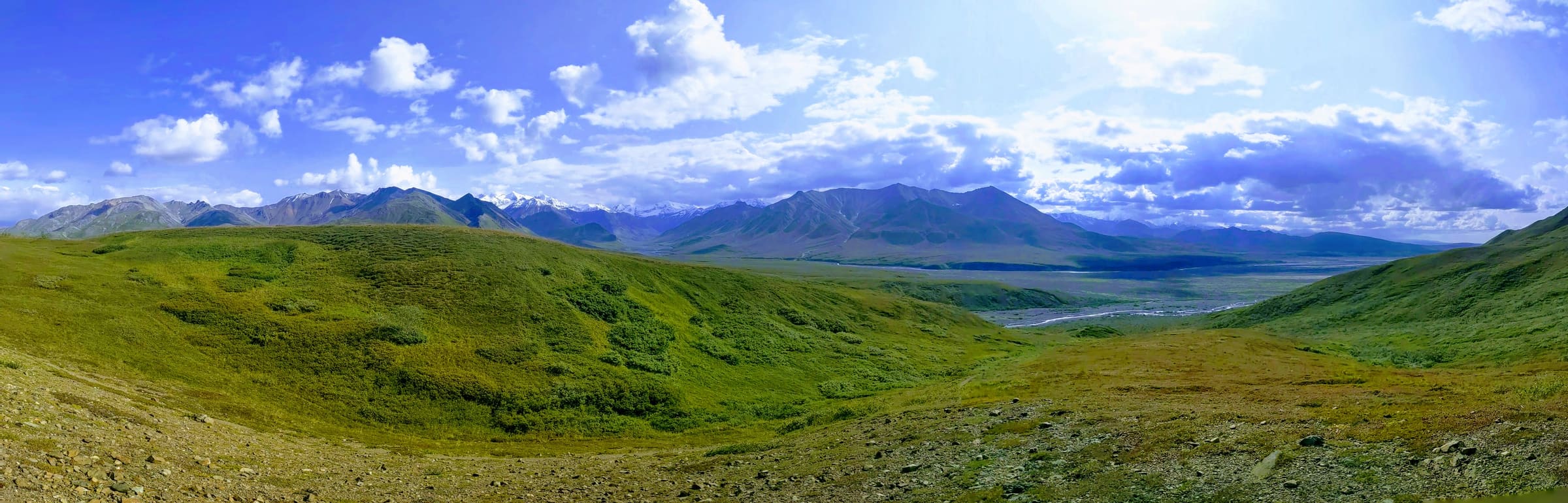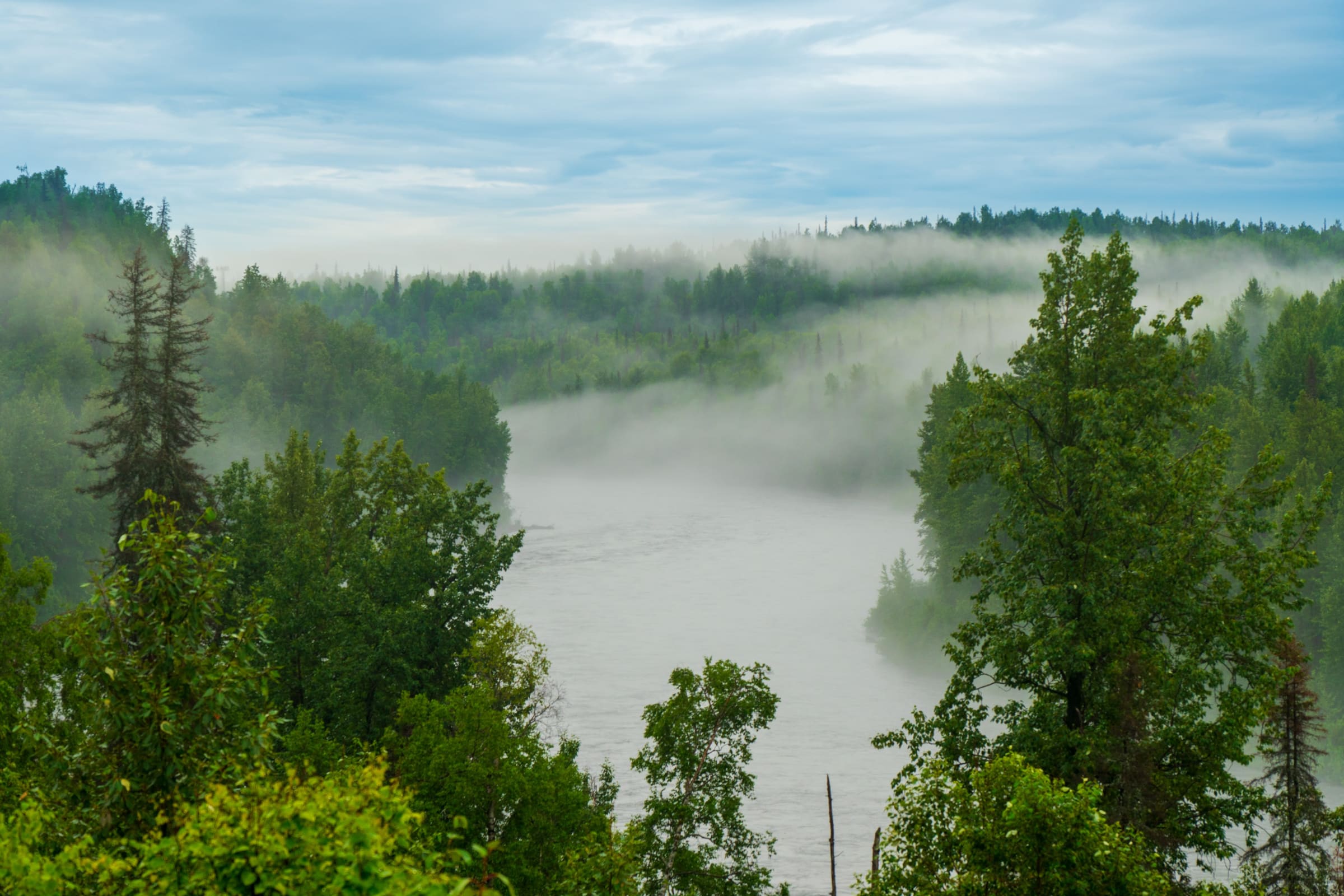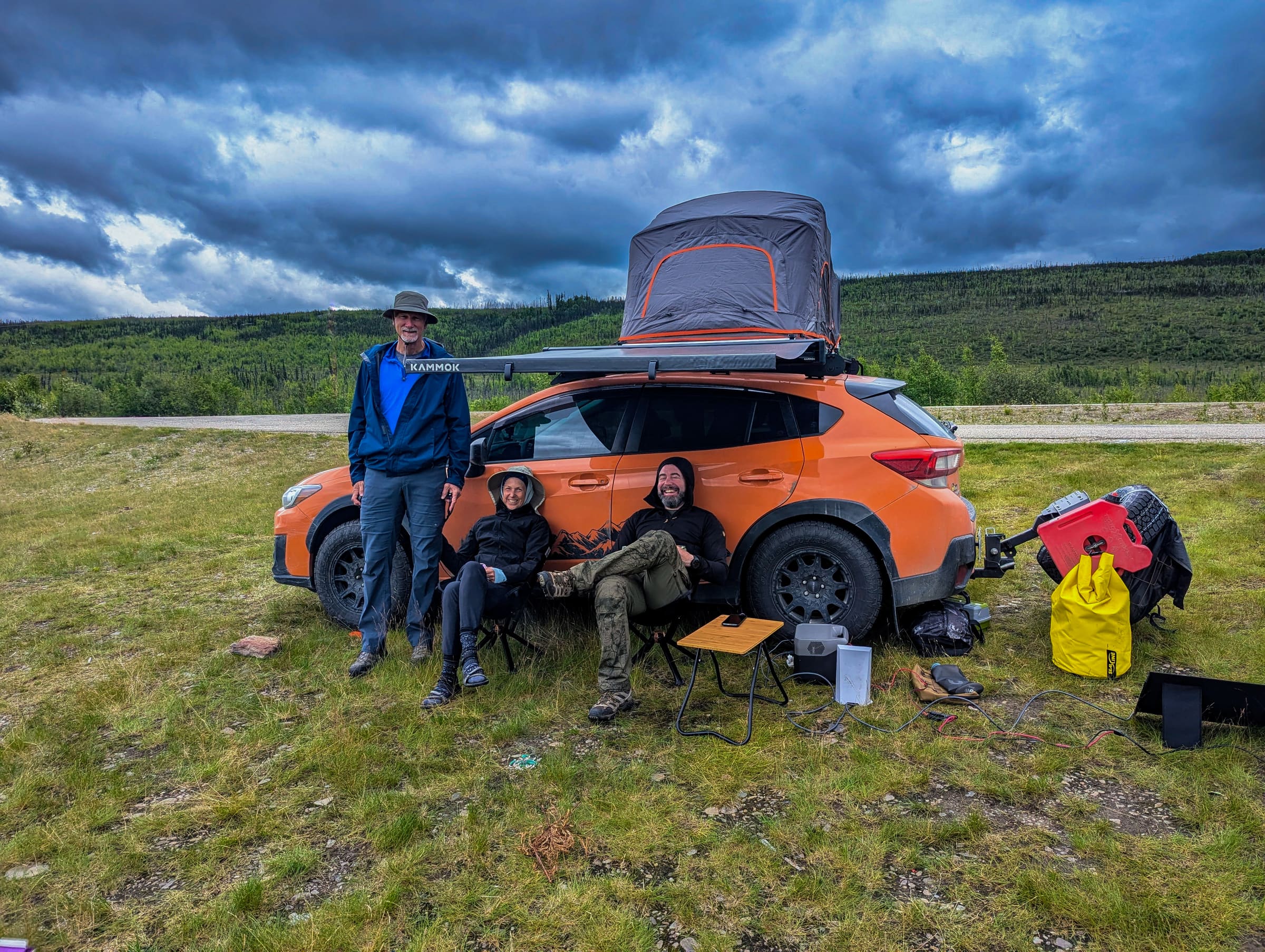
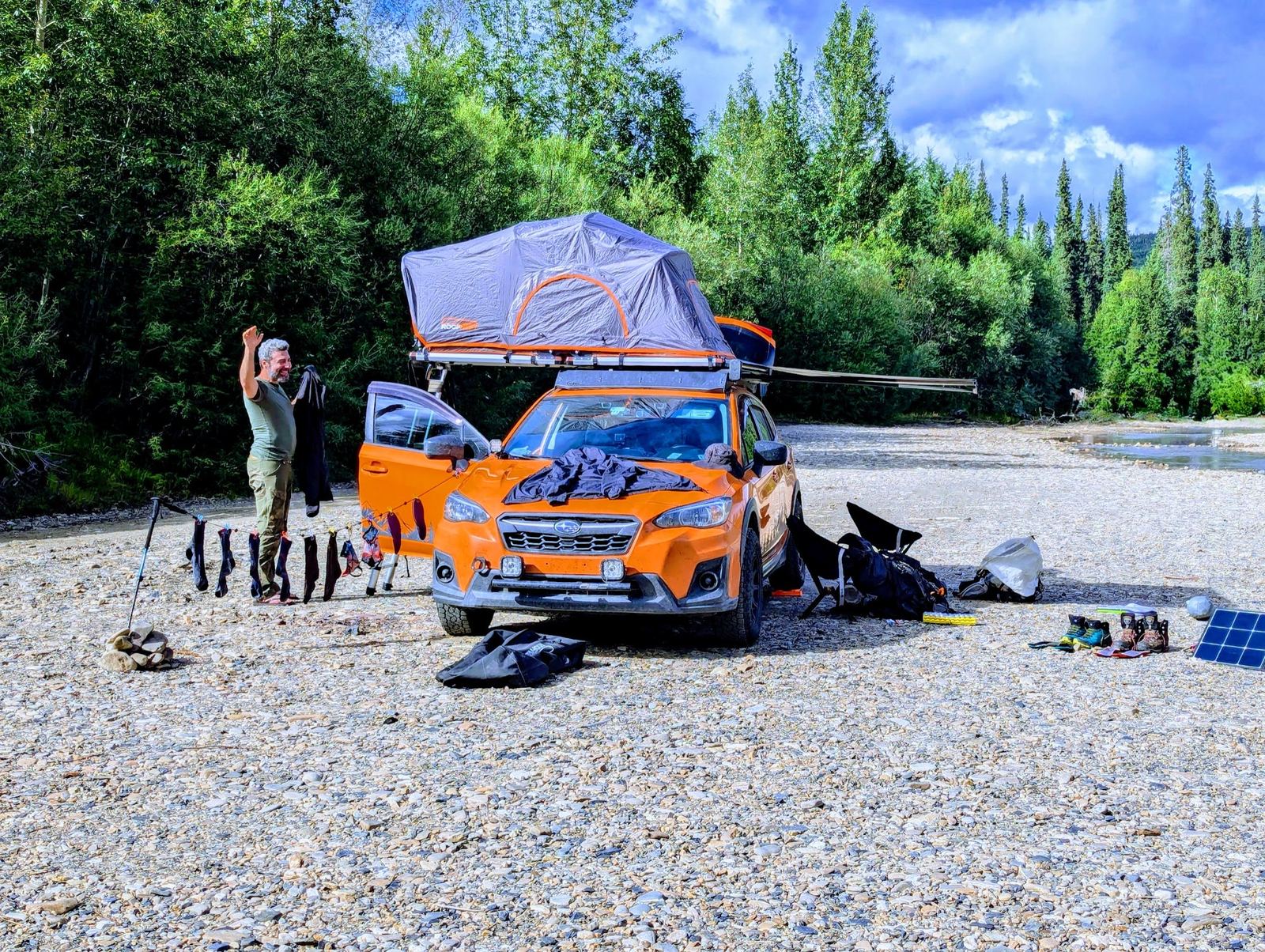
Embarking on an Alaska road trip is an unparalleled adventure, offering breathtaking landscapes and encounters with incredible wildlife. For many first-time visitors, the sheer scale and wildness of Alaska can be both exciting and a little daunting. One crucial aspect of responsible travel here, often overlooked until you're on the road, is proper alaska road trip waste disposal. It's not just about keeping things tidy; it's about preserving the very wilderness you came to experience.
In Alaska, the principle of "Leave No Trace" isn't just a suggestion—it's a critical guideline for keeping our parks, trails, and wild spaces open and pristine. The ecosystems here are fragile, and improper waste management can have long-lasting, detrimental effects. This guide will walk you through the practicalities of managing all types of waste during your self-drive Alaska adventure, from everyday trash to human waste and gray water, ensuring your trip respects the land and its inhabitants.
Understanding "Leave No Trace" in Alaska
Alaska's environment is unique. Vast expanses of tundra, ancient forests, and pristine waterways are home to an incredible array of wildlife. Unlike more developed areas, infrastructure for waste management can be sparse, especially once you venture off the main highways. This means that every traveler bears a significant responsibility.
The core tenets of Leave No Trace are simple but profound: plan ahead and prepare, travel and camp on durable surfaces, dispose of waste properly, leave what you find, minimize campfire impacts, respect wildlife, and be considerate of other visitors. For your Alaska road trip, "dispose of waste properly" is paramount. This isn't just about aesthetics; it's about preventing pollution, protecting wildlife from harmful interactions with human refuse, and maintaining the ecological balance of these wild places. Ignoring these principles can lead to closures of popular areas, impacting everyone's ability to enjoy Alaska.
General Waste: Trash and Recycling on the Road
The golden rule for trash in Alaska is simple: pack it in, pack it out. Whatever you bring with you, plan to take it all the way out. This includes everything from food wrappers and plastic bottles to broken gear.
Minimizing Waste Before You Go
- Repackage Food: Remove excess packaging from food items at home. Transfer snacks, cereals, and other goods into reusable containers or bags. This reduces the volume of trash you'll carry.
- Choose Reusables: Opt for reusable water bottles, coffee cups, and shopping bags. Consider reusable plates and cutlery if you're camping or picnicking frequently.
- Plan Meals Carefully: Try to plan meals that generate minimal waste.
Storing and Disposing of Trash
Once on the road, proper storage is key. All trash, especially food waste, must be stored securely in your vehicle or a bear-resistant container. Bears and other wildlife have an incredibly keen sense of smell and are opportunistic. Leaving trash unsecured, even for a short time, can attract animals, leading to dangerous encounters and habituating them to human food, which often results in the animal needing to be put down. For more on this, consult our guide on wildlife safety in Alaska.
Legitimate dumpsters and waste receptacles can be found in most towns and at established campgrounds. Major hubs like Anchorage, Fairbanks, Seward, and Homer will have public waste facilities. However, recycling options are often limited outside of larger communities. Don't expect to find recycling bins in every small town or remote park. Plan to consolidate your recyclables and dispose of them in larger towns if possible, or be prepared to pack them out of Alaska entirely.
Human Waste: A Critical Consideration for Campers
Managing human waste is perhaps the most sensitive and critical aspect of waste disposal in Alaska, particularly for those venturing into the backcountry or camping in less developed areas. Improper disposal can contaminate water sources, spread disease, and create unsightly, unpleasant conditions for others.
For Backcountry and Tent Campers: Catholes and WAG Bags
If you're tent camping away from established facilities, the traditional method for solid human waste is to dig a "cathole."
- Location: Choose a spot at least 200 feet (about 70 paces) from water sources, trails, and campsites.
- Depth: Dig a hole 6-8 inches deep and 4-6 inches wide.
- Disposal: Deposit solid waste into the hole.
- Covering: Cover the waste with the original soil and disguise the spot with natural materials.
- Toilet Paper: Always pack out your toilet paper. Do not bury it. Even "biodegradable" toilet paper takes a very long time to decompose in cold, dry Alaskan soils and can attract animals. Carry a small, sealable bag (like a Ziploc) for used toilet paper. For more guidance on proper waste disposal, refer to Leave No Trace principles.
In sensitive environments like the tundra, where the ground is often frozen just inches below the surface, or in high-traffic areas, digging a proper cathole is often impossible or inappropriate. This is where Waste Alleviation and Gelling (WAG) bags become essential. WAG bags are portable human waste disposal systems that allow you to safely contain and pack out solid waste. They typically consist of a sturdy, sealable bag containing a gelling agent that neutralizes odors and breaks down waste. After use, the entire bag is sealed and packed out for disposal in a regular trash receptacle.
WAG bags are highly recommended for any camping in Denali National Park's backcountry, along the Dalton Highway, or in other areas with fragile soils or heavy use. They are readily available at outdoor gear stores and online.
For Van-lifers and RV Campers: Portable Toilets and Dump Stations
If your vehicle is equipped with a portable toilet, cassette toilet, or full RV black water tank, your primary method of disposal will be at designated dump stations. Never, under any circumstances, dispose of human waste directly onto the ground or into non-designated drains, as this is illegal, environmentally damaging, and can lead to serious health hazards. Adhering to Leave No Trace guidelines is crucial for preserving Alaska's wilderness.
Gray Water and Black Water Disposal (RV/Van Specific)
For those traveling in an RV or a van with plumbing, managing gray water and black water is a distinct challenge that requires careful planning.
Gray Water Management
Gray water is the wastewater from sinks (kitchen and bathroom) and showers. While it might seem relatively harmless compared to black water, it contains food particles, soap, shampoo, and other chemicals that can pollute water sources, harm vegetation, and attract wildlife. Even "biodegradable" soaps can take time to break down and can still impact ecosystems.
- Proper Disposal: Gray water should often be disposed of at designated RV dump stations to prevent environmental contamination. For more information on responsible RV waste management, consult resources like the National Park Service's guidelines on RV waste disposal.
- Filtering Food Scraps: If you're washing dishes, use a strainer to collect food scraps and dispose of them with your regular trash.
- Minimize Usage: Be mindful of your water consumption to reduce the amount of gray water you generate.
Black Water Management
Black water is the wastewater from your RV's toilet, containing human waste. This is considered hazardous waste and requires the strictest disposal protocols.
- Designated Dump Stations Only: Black water must only be emptied at official RV dump stations. These facilities are designed to handle and treat this type of waste safely.
- Finding Dump Stations: You can find dump stations at many state parks, private campgrounds, some gas stations, and RV parks throughout Alaska. Apps like iOverlander or RV LIFE Trip Wizard are invaluable resources for locating these facilities. It is often advisable to confirm operating hours and availability, especially in the shoulder seasons (April-May, September-October) when some services might be limited.
- Sanitation: It is often advisable to wear gloves when operating dump station equipment and ensure all connections are secure to prevent spills.
Food Waste and Wildlife Safety
It's tempting to think that food scraps, being "natural," can simply be left behind to decompose. This is a dangerous misconception in Alaska. Even apple cores, orange peels, or bread crusts can be harmful to wildlife. They can alter animals' natural diets, lead to nutritional deficiencies, and, most importantly, habituate animals to human food sources. A fed bear is a dead bear – once wildlife associates humans with food, they can become aggressive, leading to them being put down for public safety. For comprehensive guidance on preventing human-wildlife conflicts, refer to National Park Service bear safety guidelines. Source: Nps source.
- Pack It Out: All food waste, including fruit peels, vegetable scraps, and coffee grounds, must be packed out with your regular trash.
- Secure Storage: Store all food, cooking gear, and scented items (like toiletries) in bear-resistant containers, your vehicle, or hung from a bear pole when camping. Travelers should rarely leave food unattended, even for a moment.
Planning Ahead: Resources and Tools for Responsible Travel
The key to responsible waste management on your Alaska road trip is planning. Don't wait until you're in a remote area with full tanks and no dump station in sight to figure things out.
- Research Park Regulations: Before visiting any national or state park, check their specific waste disposal guidelines. For example, Denali National Park has very strict rules regarding human waste in its backcountry. The National Park Service provides general guidance on the "Pack It In, Pack It Out" principle that is often applicable across different parks.
- Utilize Apps and Maps: As mentioned, apps like iOverlander are excellent for finding dump stations, potable water, and campgrounds with facilities. Paper maps and guidebooks can also list these resources.
- Carry Supplies: Travelers should often have extra trash bags, WAG bags (if applicable), and gloves on hand.
This level of detailed research and planning—figuring out where to dump your gray water after a few days on the Kenai Peninsula, or knowing if you'll need WAG bags for a specific hike—can quickly become overwhelming. Many first-time visitors find themselves spending hours sifting through forums and outdated blogs, trying to piece together a reliable plan. This is precisely the kind of DIY pain point that can detract from the joy of anticipating your trip.
Simplify Your Alaska Road Trip Planning with an Expert
Navigating the specifics of waste disposal, along with lodging availability, drive times, and activity bookings, is just one piece of the complex puzzle that is planning an Alaska road trip. For couples, families, or retirees planning their first or second visit, the sheer volume of information can be daunting. You want to focus on the adventure, not the logistics.
This is where Alaska Road Trip comes in. We specialize in creating custom day-by-day Alaska road-trip itineraries, hand-built by our founder who has driven thousands of miles across multiple seasons. Our itineraries aren't generic; they reflect current-season research (like the 2026 Denali Park Road mile 43 closure) and include practical details, such as where to find legitimate dump stations or appropriate camping spots, seamlessly integrated into your daily plan.
Instead of spending countless hours researching every detail, imagine receiving a printable, offline-ready PDF itinerary in 3-5 business days, complete with lodging and activity recommendations (you book directly). We offer flexible pricing tiers designed to fit trips of various durations: Lite (for 1-5 days), Standard (for up to 14 days), and Plus (for 15+ days). For those who want a deeper dive, our Concierge package adds a 30-minute live call with our founder to discuss your trip in detail.
We understand the challenges of planning a trip to Alaska, which why we offer a 14-day money-back guarantee, full refund, no questions asked. Our goal is to provide you with a stress-free, well-researched plan so you can focus on experiencing the magic of Alaska, knowing you're traveling responsibly. Learn more about how our custom itineraries can simplify your journey by visiting our Plan Your Trip page or comparing our service to the DIY approach on our Plan Your Trip page.
Frequently Asked Questions
Can I just bury my trash in Alaska?
No, you should rarely bury your trash in Alaska. Even biodegradable items take a very long time to decompose in the cold, often frozen ground, and can attract wildlife. For responsible travel and to protect Alaska's fragile ecosystems, it is strongly recommended that all trash, including food scraps, be packed out. Dispose of waste properly in designated receptacles found in towns or established campgrounds, or pack it out of the state entirely if necessary.
Where can I find dump stations for my RV in Alaska?
RV dump stations are available at many state parks, private campgrounds, some gas stations, and RV parks throughout Alaska. It's highly recommended to use apps like iOverlander or RV LIFE Trip Wizard to locate the nearest dump stations and check their operating hours, especially when traveling in more remote areas or during the shoulder seasons (April-May, September-October).
Are WAG bags really necessary for human waste disposal?
WAG bags are highly recommended, and often necessary, in sensitive environments like tundra, high-traffic backcountry areas, or where digging a proper cathole (6-8 inches deep, 200 feet from water) is not feasible due to frozen ground or rocky terrain. They ensure all human waste, including toilet paper, is safely contained and packed out, preventing environmental contamination and preserving the wilderness experience for others.
What about biodegradable soaps and dishwater? Can I just dump them anywhere?
Even "biodegradable" soaps and dishwater (gray water) contain chemicals and food particles that can harm aquatic life, pollute water sources, and attract wildlife. Gray water should often be disposed of at designated RV dump stations. If you must dispose of a small amount in the backcountry, scatter it widely over durable surfaces at least 200 feet from water sources, and strain out all food particles first, packing them out with your trash.
Is it okay to leave food scraps for animals to eat?
Absolutely not. Leaving food scraps for animals, even seemingly harmless ones like fruit peels, can habituate wildlife to human food. This leads to animals losing their natural foraging instincts and becoming dependent on humans, often resulting in aggressive behavior and, tragically, the need for these animals to be euthanized for public safety. Travelers should often pack out all food waste.
Plan Your Responsible Alaska Road Trip
Your Alaska road trip is an opportunity to connect with one of the world's last great wild places. By committing to responsible waste disposal, you play a vital role in preserving its beauty for generations to come. Don't let the complexities of planning detract from your adventure. Let Alaska Road Trip handle the intricate details, including practical considerations like waste management, so you can focus on making unforgettable memories. Explore our custom itinerary options and start planning your responsible, stress-free Alaska journey today at Alaska Road Trip.
See a real Alaska itinerary before you spend a dollar
A real 3-day plan with driving times, lodging picks, and a daylight chart — free, in your inbox.
One email. No spam. Unsubscribe anytime. Or view it right now — no email needed ↗
Ready for the full plan? Get your custom itinerary — from $197 · 5-day delivery →