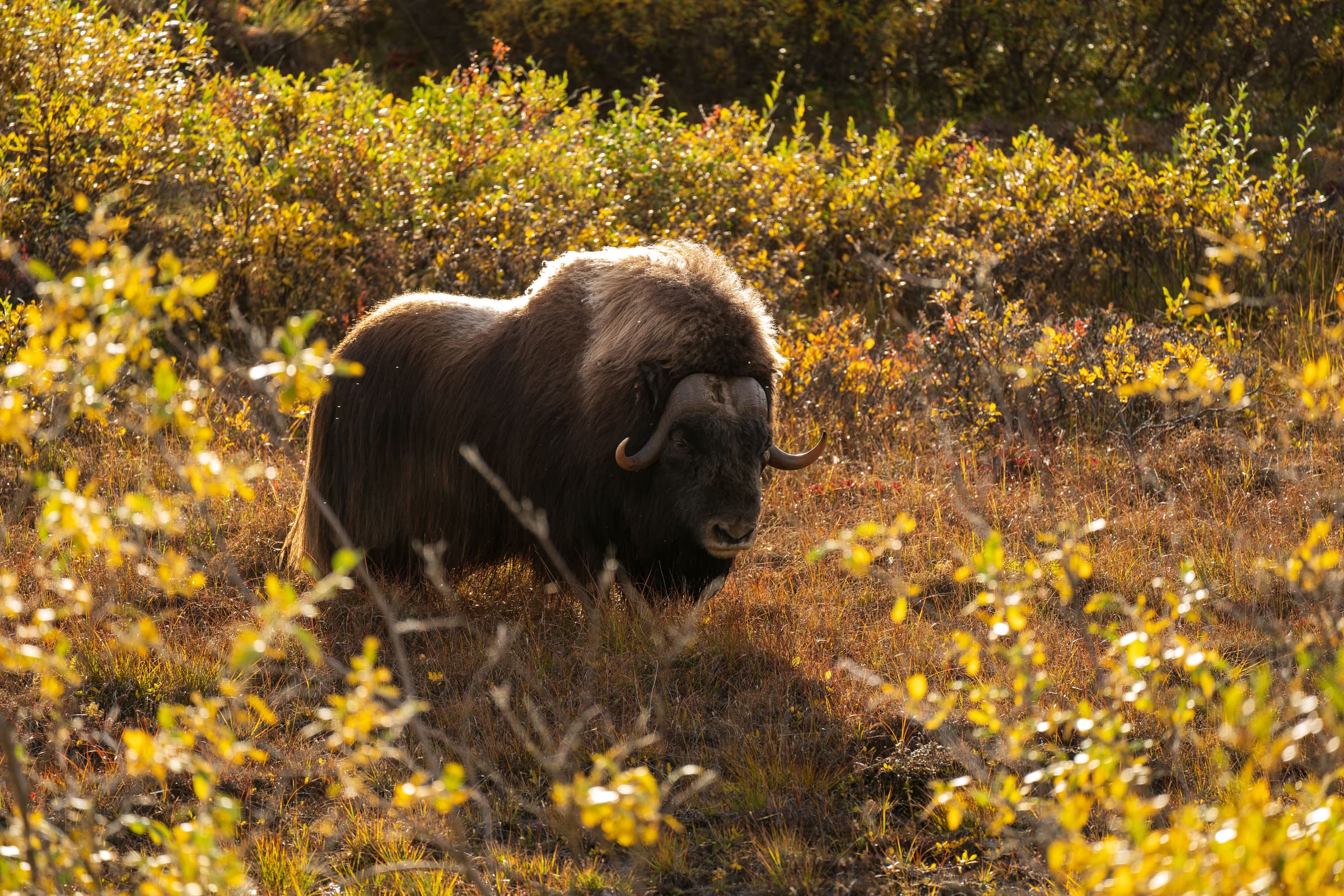
Alaska is a land of unparalleled wilderness, offering adventurers the chance to step back in time and witness landscapes that have remained unchanged for millennia. For many nature enthusiasts, wildlife photographers, and road trippers, the ultimate prize is spotting a Musk Ox in Alaska. These prehistoric beasts, with their long, shaggy coats and distinctive curved horns, look like they stepped straight out of the Pleistocene epoch. While they are a rare sight compared to the state's ubiquitous moose or bald eagles, you can absolutely find these amazing creatures if you know exactly where to look.
The Dalton Highway, one of the most remote, rugged, and challenging roads in North America, serves as a premier corridor for Arctic wildlife viewing. We have traveled this rugged route multiple times, and the thrill of spotting a wild Musk Ox in Alaska never diminishes. In addition to the magnificent musk ox, the Dalton Highway offers unparalleled opportunities to see caribou, brown bears, moose, and Dall sheep. This comprehensive guide will walk you through everything you need to know about finding a Musk Ox in Alaska and experiencing the rich biodiversity of the Dalton Highway.
The Prehistoric Survivor: History of the Musk Ox in Alaska
To truly appreciate the experience of seeing a Musk Ox in Alaska, it is essential to understand their incredible history and unique biology. Muskoxen (Ovibos moschatus) are true survivors of the Ice Age, having shared the frozen tundra with woolly mammoths and saber-toothed cats thousands of years ago. They are perfectly adapted to the harsh Arctic environment, boasting a two-layered coat. The outer layer consists of long, coarse guard hairs that drape down to the ground, while the inner layer, known as qiviut, is an incredibly soft and dense wool that is eight times warmer than sheep's wool.
Interestingly, the original native population of the Musk Ox in Alaska was hunted to extinction by the late 19th and early 20th centuries. Recognizing the tragic loss of this iconic Arctic species, conservationists and the territorial government spearheaded a massive reintroduction effort in the 1930s. They brought a small herd of 34 muskoxen from East Greenland to Nunivak Island, located off the western coast of Alaska. The herd thrived in their new environment, and over the following decades, their descendants were carefully transplanted to various regions across the state, including the Seward Peninsula, Cape Krusenstern, and the Arctic National Wildlife Refuge.
Today, thanks to these highly successful conservation efforts, several wild herds roam the northern and western coasts of the state. The Dalton Highway cuts right through the eastern edge of some of these habitats, making it one of the very few places in the world where you can drive a vehicle into musk ox territory. Seeing a wild Musk Ox in Alaska today is a testament to one of the most successful wildlife restoration projects in North American history.
Navigating the Dalton Highway for Wildlife
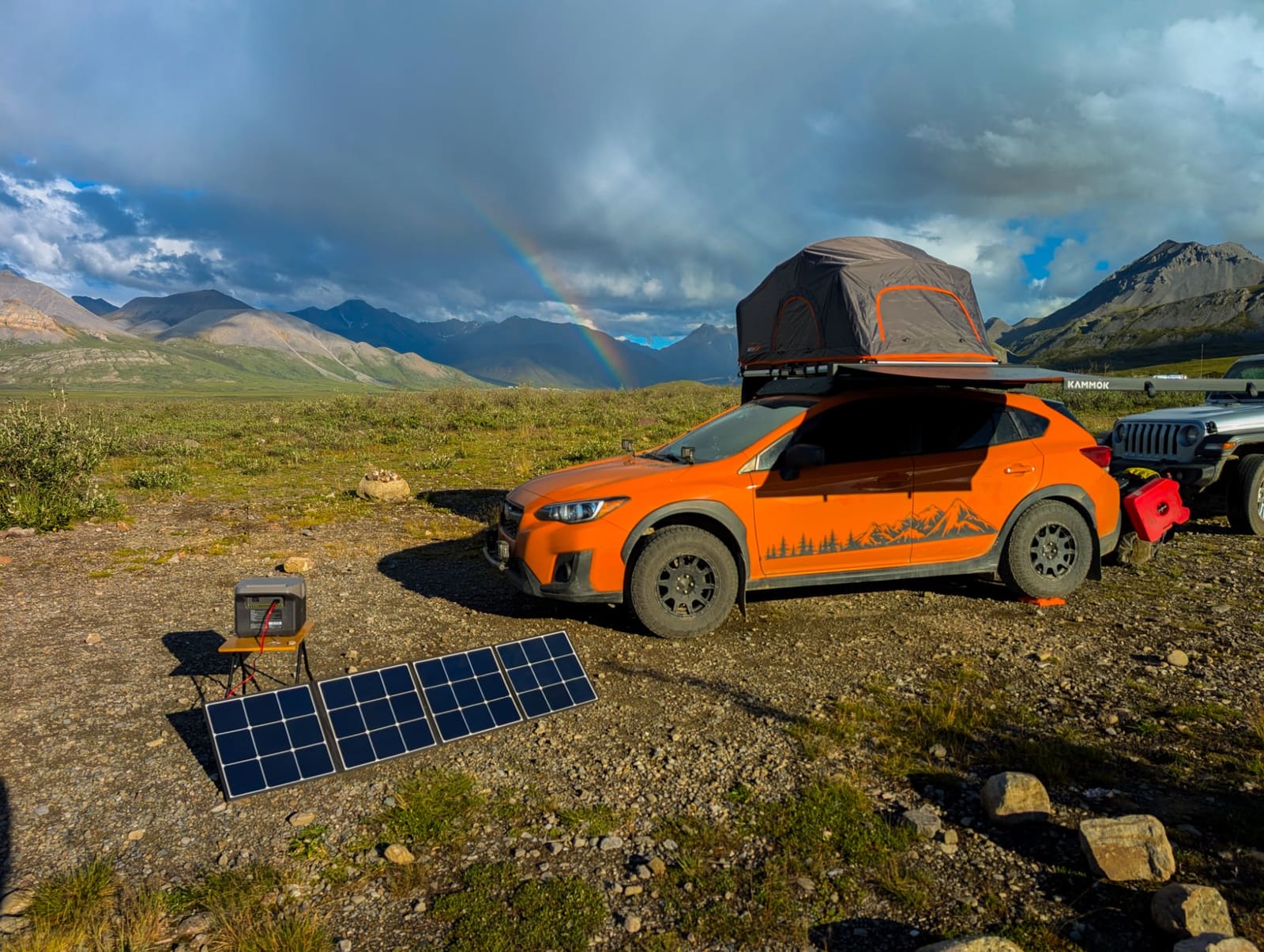
The James Dalton Highway, often simply called the Haul Road, stretches 414 miles from the Elliott Highway just north of Fairbanks all the way to Deadhorse and the Prudhoe Bay oil fields near the Arctic Ocean. Driving this road is not for the faint of heart; it is primarily a gravel and dirt industrial road used by massive semi-trucks supplying the oil fields. However, it rewards intrepid travelers with access to some of the most pristine and untouched wilderness on earth.
If you are planning to tackle this legendary route, we highly recommend reading our comprehensive Dalton Highway guide to ensure you, your passengers, and your vehicle are fully prepared for the journey. The highway traverses three distinct biomes: the dense boreal forests of the interior, the towering peaks of the Brooks Range, and the vast, treeless expanse of the Arctic Coastal Plain (the North Slope). It is in this final biome, the sweeping tundra of the North Slope, where your chances of seeing a Musk Ox in Alaska are highest.
How and Where to Spot a Musk Ox in Alaska
Finding a Musk Ox in Alaska requires a healthy dose of patience, a keen eye, and a good understanding of their preferred habitat. Along the Dalton Highway, your best chances of spotting them begin once you cross the Brooks Range via Atigun Pass and descend onto the North Slope. Pay particularly close attention to the stretch of road north of Galbraith Lake (around Mile 275) all the way up to the industrial town of Deadhorse (Mile 414).
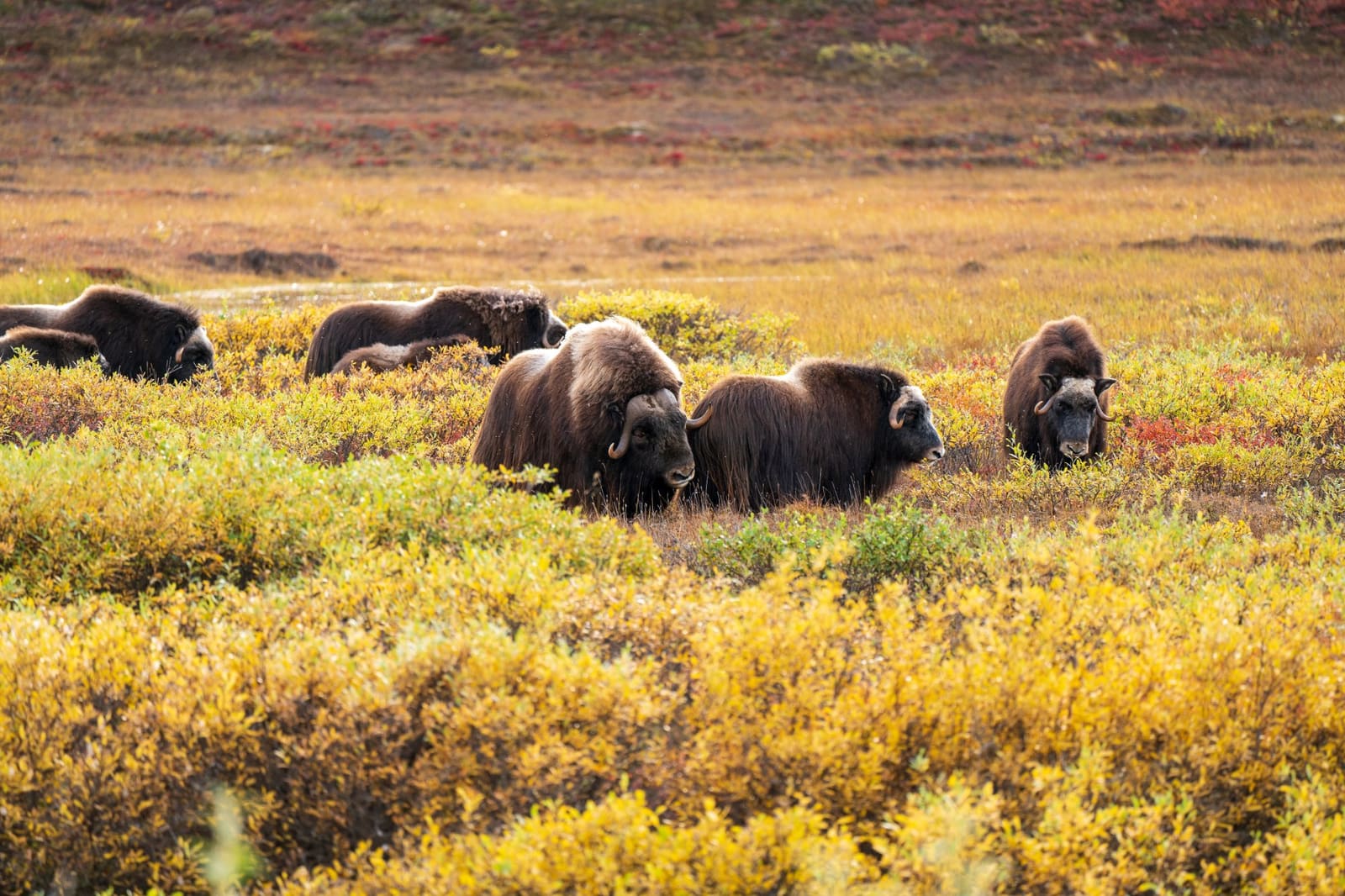
Unlike caribou, which are constantly on the move in massive herds, muskoxen tend to be more stationary. They wander slowly across the tundra, grazing on sedges, grasses, and Arctic willows. From a distance, a herd of muskoxen can easily be mistaken for a cluster of dark, low-lying boulders or large bushes. The trick is to scan the horizon with binoculars and wait for the "boulders" to move.
Muskoxen are highly social animals and typically travel in herds ranging from 10 to 20 individuals, though larger groups are occasionally seen. If they feel threatened by predators like wolves or brown bears, they employ a fascinating defense mechanism: they form a tight circle with the calves in the center and their formidable, heavily bossed horns facing outward. Witnessing this behavior in a wild Musk Ox in Alaska is a rare and unforgettable privilege.
Other Incredible Wildlife on the Dalton Highway
While the Musk Ox in Alaska might be the crown jewel of your Arctic road trip, the Dalton Highway is teeming with other magnificent wildlife. The sheer diversity of animals you can encounter as you drive from the boreal forest to the Arctic Ocean is staggering.
Caribou: The Nomads of the North
While searching the tundra for a Musk Ox in Alaska, you are almost guaranteed to encounter caribou. The Dalton Highway intersects the traditional range of the Central Arctic Caribou Herd, which numbers in the tens of thousands. During the summer months, you might see small bands of bulls with massive, velvet-covered antlers grazing near the road, or large aggregations of cows and calves seeking relief from the relentless Arctic mosquitoes. Caribou are highly mobile, and their presence can change dramatically from day to day. Always drive cautiously, as they frequently cross the highway.
Brown Bears of the Arctic Tundra
The open tundra of the North Slope and the foothills of the Brooks Range are prime habitats for barren-ground grizzly bears. These brown bears are generally smaller than their coastal cousins due to the shorter foraging season and a diet that relies heavily on roots, berries, ground squirrels, and occasionally caribou calves. Spotting a blonde-colored grizzly foraging on a distant hillside is a thrilling experience. Because the landscape is treeless, you can often observe them from a safe distance for extended periods.
Moose in the Boreal Forest
Before you reach the high Arctic and the domain of the Musk Ox in Alaska, you will drive through hundreds of miles of boreal forest. This is prime moose country. The Alaskan moose is the largest subspecies of moose in the world, with mature bulls weighing up to 1,500 pounds and sporting antler spreads of over six feet. Look for them in marshy areas, near lakes, and wading in shallow ponds along the southern half of the Dalton Highway, particularly south of Coldfoot.
Dall Sheep in the Brooks Range
As you approach Atigun Pass, the highest highway pass in Alaska at 4,739 feet, keep your eyes glued to the steep, rocky slopes of the Brooks Range. This rugged alpine terrain is home to the Dall sheep. Known for their brilliant white coats and the massive, curling horns of the rams, Dall sheep are incredible climbers. They navigate sheer cliffs and loose scree with astonishing agility to evade predators. Scan the mountainsides for what look like white dots against the gray and brown rock.
Essential Gear for Your Wildlife Road Trip
To make the most of your quest to see a Musk Ox in Alaska and other Dalton Highway wildlife, proper gear is essential. The vast distances of the Arctic mean that animals are often seen far from the road.
- Optics: A high-quality pair of binoculars (8x42 or 10x42) is non-negotiable. If you have the space, a spotting scope mounted on a window clamp or tripod will dramatically improve your viewing experience.
- Photography Gear: To capture detailed images of a Musk Ox in Alaska, you will need a telephoto lens. A lens with a focal length of at least 400mm, preferably 600mm, is highly recommended.
- Clothing: The weather on the North Slope can be unpredictable, with snow possible even in July. Dress in warm, waterproof layers.
- Bug Protection: The mosquitoes on the Arctic tundra are legendary. Bring high-DEET bug spray and a head net.
For a complete breakdown of what to bring on your northern adventure, be sure to review our ultimate Alaska road trip packing list.
Wildlife Safety and Ethics
Viewing a Musk Ox in Alaska is a thrilling experience, but it must be done responsibly. The Dalton Highway is a wild and unforgiving environment, and the animals that live there are truly wild. Never approach a musk ox, bear, or moose. Muskoxen may look slow and lumbering, but they can charge at speeds of up to 35 miles per hour if they feel threatened. Always view wildlife from the safety of your vehicle or stay close to your car if you step out to take a photo.
Do not stop your vehicle in the middle of the road to view wildlife; the Dalton Highway is an active industrial corridor, and massive semi-trucks cannot stop quickly. Always pull over safely onto the shoulder. For more detailed guidelines on how to protect yourself and the animals, read our comprehensive guide on wildlife safety in Alaska.
Frequently Asked Questions
Are musk ox native to Alaska?
Yes, muskoxen are native to Alaska and have lived there since the Pleistocene epoch. However, the original population was hunted to extinction by the 1920s. The Musk Ox in Alaska that you see today are descendants of a herd brought over from Greenland in the 1930s as part of a highly successful conservation and reintroduction program.
What is the best time of year to see wildlife on the Dalton Highway?
The best time to drive the Dalton Highway for wildlife viewing is during the summer months, from early June through late August. During this time, the road conditions are at their best, the tundra is alive with migratory birds, caribou are active, and you have nearly 24 hours of daylight to search for a Musk Ox in Alaska.
Is it safe to drive the Dalton Highway?
Driving the Dalton Highway is safe if you are properly prepared. It requires a reliable vehicle (preferably with 4WD or AWD), at least two full-size spare tires, emergency supplies, and a CB radio to communicate with truck drivers. It is not a standard road trip, but with careful planning, it is an incredibly rewarding adventure.
Can I approach a musk ox for a photograph?
Absolutely not. You should never approach a wild Musk Ox in Alaska. They are large, powerful, and unpredictable wild animals. If a musk ox stops what it is doing to look at you, you are too close. Always use a telephoto lens for photography and observe them from a safe, respectful distance, preferably from your vehicle.
Where else can I see a Musk Ox in Alaska?
If you cannot drive the Dalton Highway, you can still see a Musk Ox in Alaska at the Musk Ox Farm in Palmer, the Alaska Wildlife Conservation Center near Portage, or the Large Animal Research Station (LARS) at the University of Alaska Fairbanks. For wild viewing outside the Dalton Highway, specialized flightseeing tours to Nome or the Seward Peninsula are your best options.
Ready to embark on the ultimate Arctic adventure? Spotting a wild Musk Ox in Alaska is just one of the countless unforgettable experiences waiting for you in the Last Frontier. Whether you want to tackle the rugged Dalton Highway or explore the stunning coastal regions, we can help you craft the perfect itinerary. Head over to our Alaska road trip planner today to start building the wildlife viewing journey of a lifetime!
See a real Alaska itinerary before you spend a dollar
A real 3-day plan with driving times, lodging picks, and a daylight chart — free, in your inbox.
One email. No spam. Unsubscribe anytime. Or view it right now — no email needed ↗
Ready for the full plan? Get your custom itinerary — from $197 · 5-day delivery →