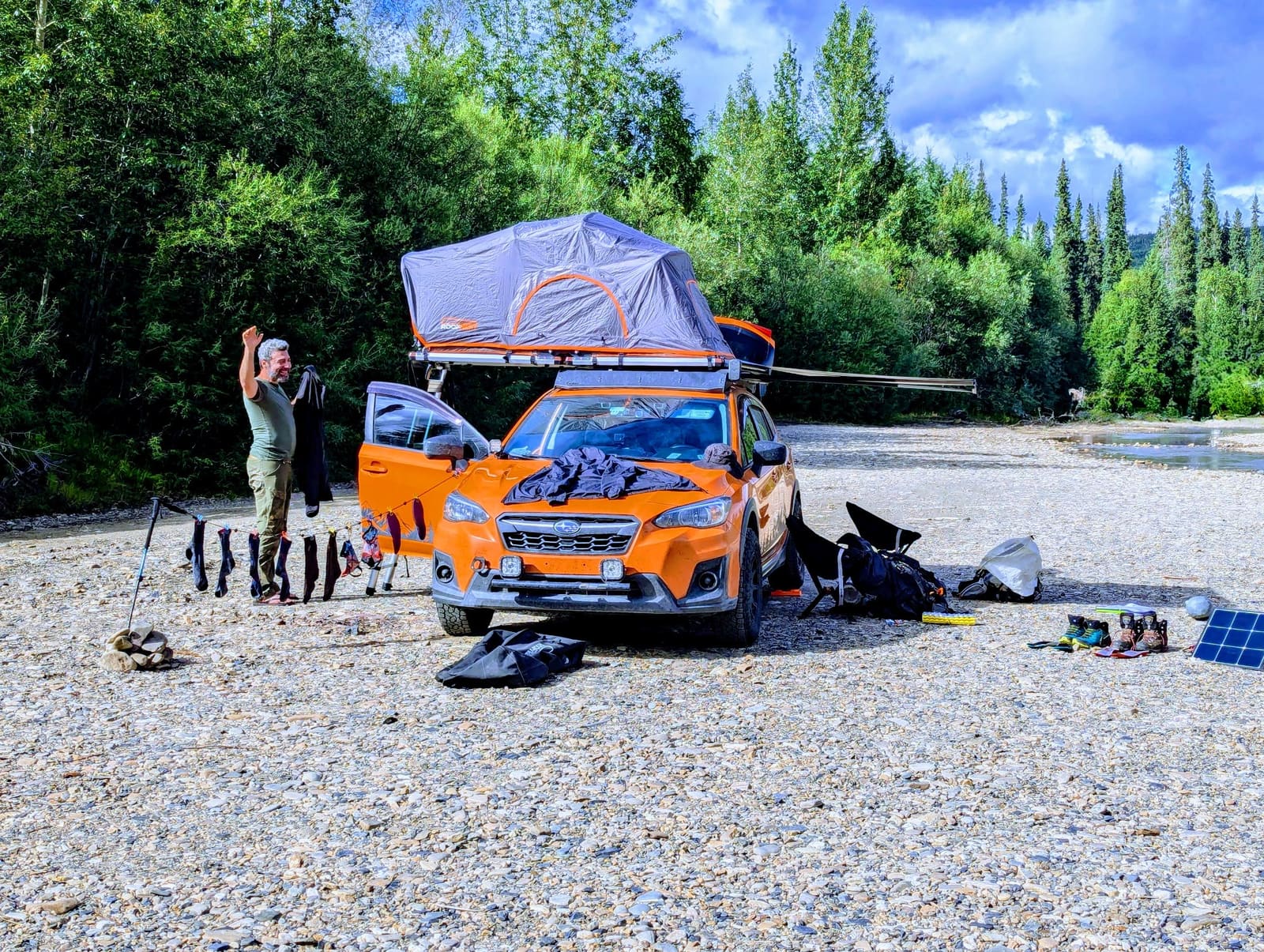
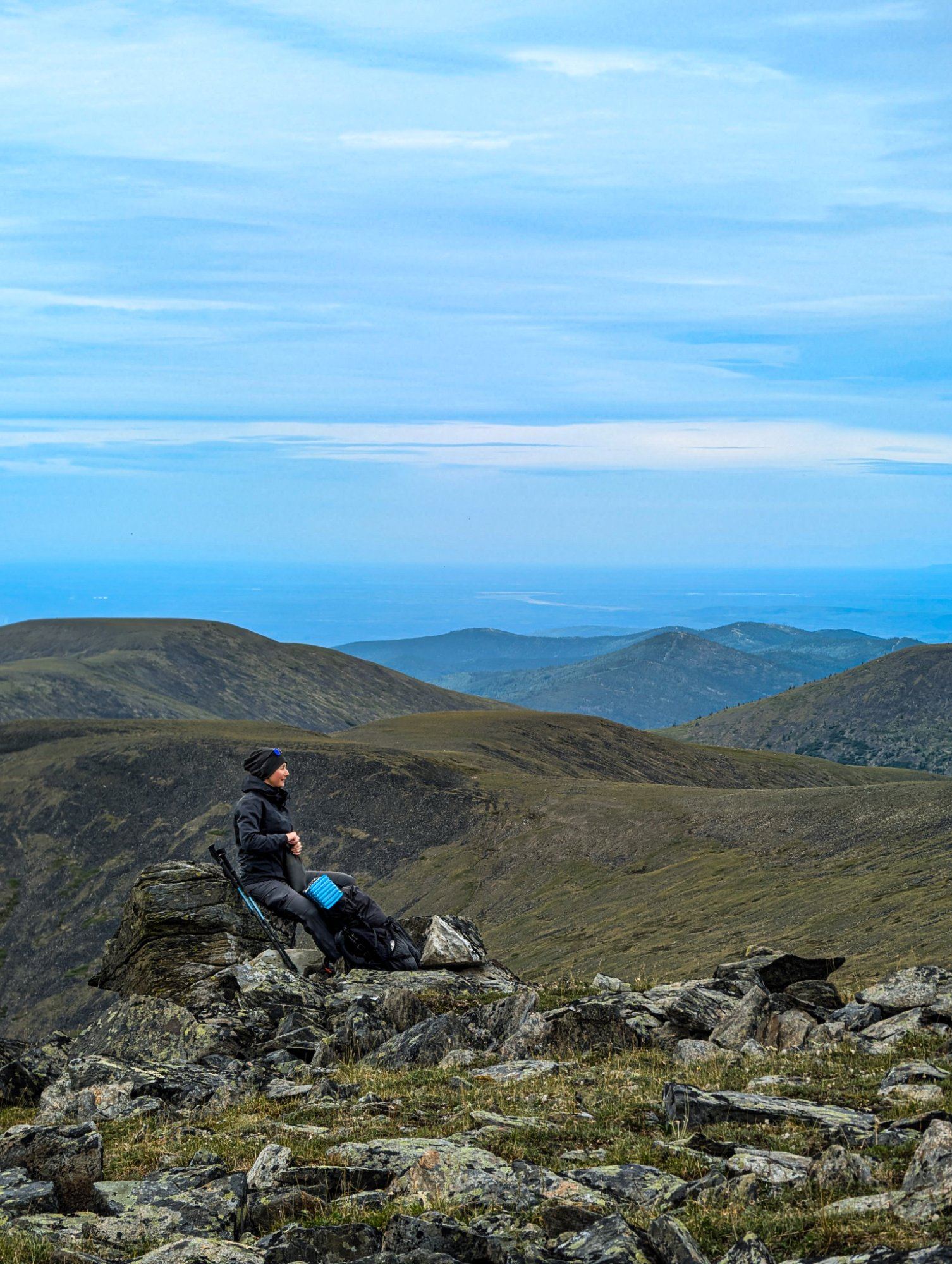
Imagine this: You've just pulled off a scenic Alaskan highway, the majestic Chugach Mountains towering above, a pristine lake shimmering beside your RV. You open your laptop, ready to tackle a few hours of work, and the thought crosses your mind: "Can I work from here?" For many modern travelers, especially those exploring the vast wilderness of Alaska, reliable connectivity isn't just a luxury; it's a necessity. But relying on traditional cell service in the Last Frontier is a recipe for disaster, as coverage quickly vanishes beyond urban centers and major highways.
As we look to 2026, the question of how to stay connected while venturing into Alaska's remote beauty becomes even more critical. For digital nomads, remote workers, and safety-conscious adventurers, the choice often boils down to two primary contenders: Starlink Roam (Mobile Priority) for high-speed internet access, and dedicated satellite messengers like Garmin inReach for essential emergency communication. Understanding the nuances of starlink vs satellite messenger for travel is paramount for a successful and safe Alaskan journey.
The Unyielding Connectivity Challenge of Alaska
Alaska is a land of unparalleled natural grandeur, but with that grandeur comes immense remoteness. Cell phone towers are few and far between once you leave major towns like Anchorage, Fairbanks, or Juneau. Even along popular routes like the Seward Highway or parts of the Parks Highway, you'll encounter significant dead zones. Venture onto less-traveled paths, into national parks like Denali, or along the Dalton Highway, and cell service becomes virtually non-existent. This lack of infrastructure means that for many, the dream of working from a remote Alaskan campsite or simply having peace of mind for emergencies requires a proactive approach to connectivity.
The implications of this connectivity gap are significant. For those needing to check emails, attend video calls, or upload files, a lack of internet can halt productivity. More critically, for adventurers exploring hiking trails, fishing spots, or remote camping areas, the inability to call for help in an emergency can be life-threatening. This is where specialized satellite communication devices become indispensable.
Starlink Roam (Mobile Priority): Your Mobile Office in the Wilderness
Starlink, SpaceX's satellite internet constellation, has significantly advanced off-grid connectivity. Starlink's "Roam" service (often referred to as Mobile Priority for higher-demand users) is designed to offer robust, high-speed internet access across much of the globe, including vast stretches of Alaska, by 2026. This service aims to provide portability, allowing users to bring their internet connection with them wherever they travel, provided they have a clear view of the sky.
What Starlink Roam Offers for Alaska Travelers
- High-Speed Internet: Unlike traditional satellite internet, Starlink delivers broadband speeds capable of supporting video conferencing, streaming high-definition content, and handling large file transfers. This means you can genuinely work from your RV or campsite, participate in virtual meetings, and keep up with your digital life.
- Global/Regional Coverage: With its growing constellation, Starlink Roam offers extensive coverage across Alaska, making it a viable option for many remote locations where cell service is a distant memory.
- Flexibility: The service is designed to be portable. While the standard dish requires a stationary setup for optimal performance, Starlink continues to innovate with more compact and even in-motion solutions for specific vehicle types and plans.
The Realities and Tradeoffs of Starlink in Alaska (2026)
While Starlink Roam is a powerful tool, it comes with its own set of considerations for Alaskan travel:
- Power Consumption: The Starlink dish requires a significant amount of power, typically around 50-75 watts while active. For RVers or campers, this necessitates a robust power setup, such as a large battery bank, solar panels, or a generator. Planning your power needs is crucial. For tips on managing resources, check out our guide on fuel planning for your Alaska road trip.
- Line of Sight: Starlink requires an unobstructed view of the sky to connect with its satellites. Dense forests, steep canyons, or large mountains can block the signal. While Alaska offers many open vistas, finding a clear spot in forested campgrounds or deep valleys can sometimes be a challenge.
- Portability and Setup: The standard Starlink dish, while portable, isn't something you casually toss in a backpack. It requires careful setup and takedown. Newer, more compact versions might be available by 2026, but the core need for a stable, clear mounting location remains.
- Cost: Starlink involves a significant upfront hardware cost (the dish and router) and a monthly subscription fee. While competitive for the service it provides, it's a substantial investment compared to a basic satellite messenger. For the latest pricing and plan details, always refer to the official Starlink Roam website.
- Weather Dependency: Heavy rain, snow, or extreme cold can sometimes impact signal quality, though Starlink dishes are designed to be robust in various weather conditions.
For those planning an extended stay in a remote area or needing to maintain a consistent work schedule, Starlink Roam offers a powerful solution. Imagine editing photos from a pull-off on the Kenai Peninsula or attending a video call with the Wrangell-St. Elias mountains as your backdrop. It enables working from virtually anywhere in Alaska with a clear line of sight.
Satellite Messengers: Your Lifeline in the Last Frontier
In stark contrast to Starlink's broadband capabilities, satellite messengers like the Garmin inReach or Zoleo devices prioritize one thing above all else: reliable, two-way emergency communication. These compact, handheld devices operate on different satellite networks (like Iridium or Globalstar), which are specifically designed for global, low-bandwidth communication. Learn more about the capabilities of these devices on the Garmin satellite communicators page.
What Satellite Messengers Offer for Alaska Travelers
- Emergency SOS: This is their primary function. With a dedicated SOS button, you can send a distress signal to a 24/7 monitoring center, which will coordinate with local search and rescue services. This feature alone makes them indispensable for anyone venturing into the Alaskan wilderness.
- Two-Way Text Messaging: You can send and receive short text messages with contacts anywhere in the world, even without cell service. This is invaluable for checking in with loved ones, updating your itinerary, or communicating non-urgent issues.
- GPS Tracking and Navigation: Many devices offer basic GPS navigation, allowing you to track your route, mark waypoints, and share your location with others. This is a crucial safety feature for hikers and explorers.
- Compact and Durable: These devices are built for the outdoors. They are typically rugged, waterproof, and designed for extended battery life, often lasting for multiple days or longer depending on usage and model.
- Lower Cost: While there's an upfront hardware cost and a monthly subscription, both are generally significantly lower than Starlink.
The Realities and Tradeoffs of Satellite Messengers in Alaska (2026)
While essential for safety, satellite messengers have limitations:
- No Internet Browsing: These devices are not for browsing the web, checking social media, or streaming. Their communication is limited to text messages and location data.
- Slow Communication: Sending and receiving messages can be slower than traditional texting, sometimes taking several minutes for a message to transmit.
- Not for Work: They are not designed to support remote work tasks. You won't be joining video calls or downloading large files with a satellite messenger.
- Subscription Required: Like Starlink, a monthly or annual subscription is necessary to activate the satellite communication features.
For anyone planning to hike remote trails, fish in isolated rivers, or simply drive through long stretches of unpopulated areas, a satellite messenger is a non-negotiable piece of safety gear. It offers peace of mind, knowing that help is accessible, even when you're miles from the nearest road or person. For more comprehensive outdoor safety advice, consider resources from organizations like the National Outdoor Leadership School (NOLS) wilderness medicine resources. Learn more about staying safe in the wilderness with our wildlife safety guide for Alaska.
Starlink vs Satellite Messenger for Travel: Making Your Decision in 2026
The choice between Starlink Roam and a satellite messenger for your 2026 Alaska trip hinges entirely on your primary needs and travel style. Here's a direct comparison to help you decide:
Purpose
- Starlink: Designed for high-bandwidth internet access – work, entertainment, general communication.
- Satellite Messenger: Designed for critical, low-bandwidth emergency communication and basic two-way texting.
Bandwidth & Speed
- Starlink: High-speed broadband (dozens to hundreds of Mbps), suitable for all internet activities.
- Satellite Messenger: Very low bandwidth (primarily text-based, though some newer models support photos and voice messages), with slower transmission times.
Cost (as of 2026 estimates)
- Starlink: Typically involves a higher upfront hardware cost for the dish and a higher monthly subscription for Mobile Priority service. For the latest pricing and plan details, always refer to the official Starlink Roam website.
- Satellite Messenger: Generally has a moderate upfront hardware cost for the device and a lower monthly subscription, depending on the plan and message volume.
Power Requirements
- Starlink: Requires a reliable power source (such as an RV battery bank, generator, or solar setup) due to its power consumption.
- Satellite Messenger: Features very low power draw, with internal batteries designed to last for an extended period, often multiple days or longer depending on the model and usage.
Portability & Durability
- Starlink: Dish is relatively bulky, requires careful setup, generally not designed for extreme ruggedness or in-motion use (unless specific hardware/plans are purchased).
- Satellite Messenger: Compact, handheld, rugged, waterproof, designed for outdoor adventure.
Reliability for Emergencies
- Starlink: Can be used to call emergency services via internet-based apps, but requires the dish to be set up, powered, and have a clear line of sight. Not a dedicated SOS device.
- Satellite Messenger: Dedicated SOS button connects directly to a monitoring center, designed specifically for emergency situations, often works even in challenging terrain (though clear sky view is often best).
The Hybrid Approach: The Best of Both Worlds for Alaska
For many Alaska travelers in 2026, especially those embarking on extended road trips or balancing work with adventure, the optimal solution isn't an either/or choice, but a combination of both. This hybrid approach offers comprehensive peace of mind and connectivity:
- Starlink for Productivity and Comfort: Use Starlink Roam when you need to work, upload photos, stream movies, or simply enjoy high-speed internet from your remote campsite or RV park. It enhances your travel experience, allowing you to stay connected to the world while immersed in nature.
- Satellite Messenger for Uncompromising Safety: Carry a Garmin inReach or similar device as your personal safety net. For hikes, kayaking trips, or drives through areas where Starlink might be obstructed or not yet set up, your satellite messenger ensures you can often call for help in a true emergency. It's your dedicated lifeline, independent of power-hungry internet systems.
This dual strategy allows you to leverage Starlink's robust internet capabilities for daily life and work, while relying on the proven, robust emergency communication of a satellite messenger when safety is paramount. It's the most comprehensive way to prepare for the unique connectivity challenges of an Alaskan adventure.
Other Connectivity Considerations for Your Alaska Trip
While Starlink and satellite messengers are the stars of off-grid connectivity, remember these supplementary tips:
- Download Offline Maps and Content: Before you leave areas with good service, download maps, entertainment, and important documents. This reduces your reliance on constant connectivity.
- Local Wi-Fi Hotspots: Many towns, lodges, and even some gas stations in Alaska offer Wi-Fi, though speeds and reliability can vary. Don't count on them for critical work, but they can be useful for quick checks.
- Cell Boosters: While they can extend a weak cell signal, they won't create a signal where none exists. In truly remote Alaskan areas, their utility is limited.
Planning Your 2026 Alaska Adventure with Confidence
Navigating the vastness of Alaska requires careful planning, and connectivity is a significant piece of that puzzle. Whether you're a digital nomad seeking to work from the wilderness or an adventurer prioritizing safety, understanding your options for starlink vs satellite messenger for travel is essential. Consider your itinerary, your personal needs, and your budget to make the best choice for your journey.
At Alaska Road Trip, we specialize in crafting personalized itineraries that account for every detail, including how to stay connected and safe. Let us help you plan your trip so you can focus on the awe-inspiring beauty of Alaska, not on connectivity worries. Alaska Road Trip's itinerary planning services ensure you have all the information and resources you need for an unforgettable and well-prepared adventure.
Frequently Asked Questions
Is Starlink available everywhere in Alaska in 2026?
By 2026, Starlink Roam (Mobile Priority) offers extensive coverage across Alaska, including many remote areas. However, like any satellite service, it requires a clear line of sight to the sky. Dense forests, deep valleys, or steep mountains can obstruct the signal. While coverage is widespread, "everywhere" is a strong word, and you should often check the Starlink coverage map for your specific planned route and be prepared for potential obstructions.
Can I use a satellite messenger for daily communication and work?
No, satellite messengers are not designed for daily communication or work tasks. They offer very low-bandwidth communication, primarily for short text messages and emergency SOS signals. You cannot browse the internet, make calls (beyond specific satellite phones), or send large files. Their purpose is safety and basic check-ins, not broadband connectivity.
How much does Starlink cost for travel in 2026?
As of 2026, Starlink Roam (Mobile Priority) typically involves a one-time hardware cost for the dish and router, which can vary significantly depending on the specific equipment chosen, such as the Standard dish or the more robust Performance dish for in-motion use. Monthly subscription fees for mobile plans can vary significantly based on data usage and regional availability, but generally fall in the range of $150 to $250 per month for consumer-level mobile priority plans. These prices are estimates and subject to change by Starlink. For the most current pricing, always check the official Starlink Roam website.
Do I really need a satellite messenger if I have Starlink?
For maximum safety in Alaska's remote regions, we highly recommend having both. Starlink provides excellent internet for work and leisure, but it requires power, setup, and a clear view of the sky. In a true emergency, especially if your Starlink dish is damaged, unpowered, or obstructed, a dedicated satellite messenger offers a rugged, long-lasting, and immediate way to call for help. It's a critical backup and often more practical for personal excursions away from your main vehicle or camp.
What about cell boosters for my Alaska road trip?
Cell boosters can amplify an existing weak cell signal, potentially extending your coverage in fringe areas. However, they cannot create a signal where there is absolutely none. In many truly remote parts of Alaska, where cell towers are simply non-existent for hundreds of miles, a cell booster will be ineffective. They are best suited for improving patchy service, not for providing connectivity in the deep wilderness.
Ready to embark on your unforgettable Alaskan adventure? Let Alaska Road Trip be your guide. We craft custom itineraries that ensure you experience the best of the Last Frontier, equipped with the knowledge to stay connected and safe. Contact us today to start planning your dream 2026 Alaska road trip!
See a real Alaska itinerary before you spend a dollar
A real 3-day plan with driving times, lodging picks, and a daylight chart — free, in your inbox.
One email. No spam. Unsubscribe anytime. Or view it right now — no email needed ↗
Ready for the full plan? Get your custom itinerary — from $197 · 5-day delivery →