Embarking on a solo journey through Alaska is an unparalleled adventure, promising breathtaking landscapes, profound solitude, and unforgettable experiences. However, the Last Frontier, while generally presenting different safety considerations than many major U.S. cities in terms of human crime, presents its own unique set of challenges. When you're planning for solo travel in Alaska, it's crucial to understand that the "hazards" here often have claws, sharp teeth, or can manifest as vast, unforgiving distances between services. For first-time or even second-time visitors, especially those overwhelmed by the sheer volume of DIY research, preparing for a self-drive road trip in Alaska requires a sober, realistic look at safety.
This comprehensive guide is designed for you—the solo traveler—to equip you with the knowledge needed to confidently plan and execute a safe and rewarding adventure in Alaska during the summer season (April-October 2026). It delves into everything from human and animal safety to navigating communication blackouts and the benefits of a local trip check-in system, all while keeping your specific needs and concerns in mind.
Understanding Alaska's Unique Safety Landscape for Solo Travelers
Alaska's vastness and sparse population mean that safety considerations differ significantly from urban environments. While human-related crime rates in some Alaskan communities may differ from national averages, the primary safety challenges in Alaska often stem from its vast wilderness and unpredictable environment.
Human Safety: Common Sense in the Great Outdoors
When considering human safety during solo travel in Alaska, the principles are largely similar to anywhere else: be aware of your surroundings, trust your instincts, and avoid putting yourself in vulnerable situations. Most Alaskans are friendly and helpful, especially to travelers. However, it's generally recommended to:
- often inform someone of your plans: Share your itinerary with a trusted friend or family member back home, including your expected routes and overnight stops.
- Secure your belongings: Keep valuables out of sight in your vehicle and lock your doors, especially in more populated areas like Anchorage or Fairbanks.
- Avoid isolated areas at night: Stick to well-lit, established campgrounds or lodging.
Wildlife Safety: Respecting Alaska's Wild Inhabitants
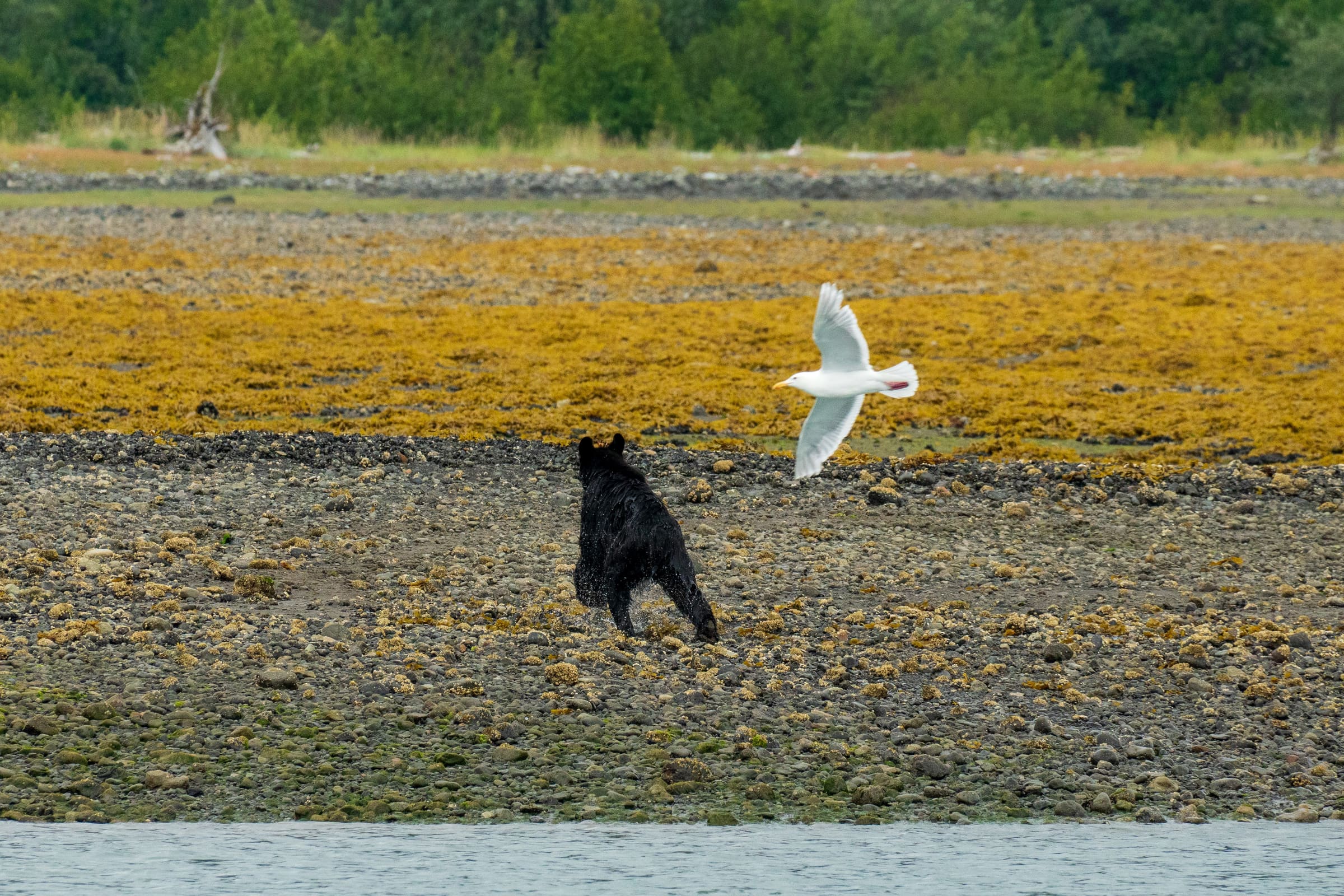
This is where Alaska truly distinguishes itself. Encounters with wildlife are not just possible; they are probable. Bears (black and grizzly/brown), moose, and other large animals are part of the landscape, and understanding how to safely coexist is paramount. These animals are wild and unpredictable, and a close encounter can turn dangerous quickly if you're unprepared. For a deep dive into specific animal behaviors and prevention strategies, consult resources like the Alaska Department of Fish and Game's bear safety guidelines.
Essential Preparations Before You Go
Thorough preparation is the bedrock of a safe solo trip in Alaska. This isn't a destination where you can simply wing it, especially when traveling alone.
Research and Planning: Your Detailed Itinerary
The sheer volume of information can be overwhelming, leading many to feel lost in the DIY research phase. A detailed, day-by-day itinerary is your roadmap and safety net. It should include:
- Specific routes: Knowing your exact driving path, including estimated drive times. Remember, Alaska's drive times can be longer than anticipated due to road conditions, construction, and scenic stops.
- Lodging reservations: Especially during peak season (June-August 2026), lodging can book up months in advance. Having confirmed reservations prevents scrambling for a place to stay in an unfamiliar town. Source: Silvertiplodgeandcabins source.
- Activity bookings: If you plan on guided tours, flightseeing, or specific excursions, book them ahead.
- Contingency plans: What if a road is closed? What if weather delays you? Having alternative routes or activities in mind can save stress.
This level of detail is precisely what an Alaska Road Trip custom itinerary provides, removing the burden of endless research and ensuring you have a well-vetted plan reflecting current conditions, like the 2026 Denali Park Road mile 43 closure.
Vehicle Preparedness: Your Lifeline on the Road
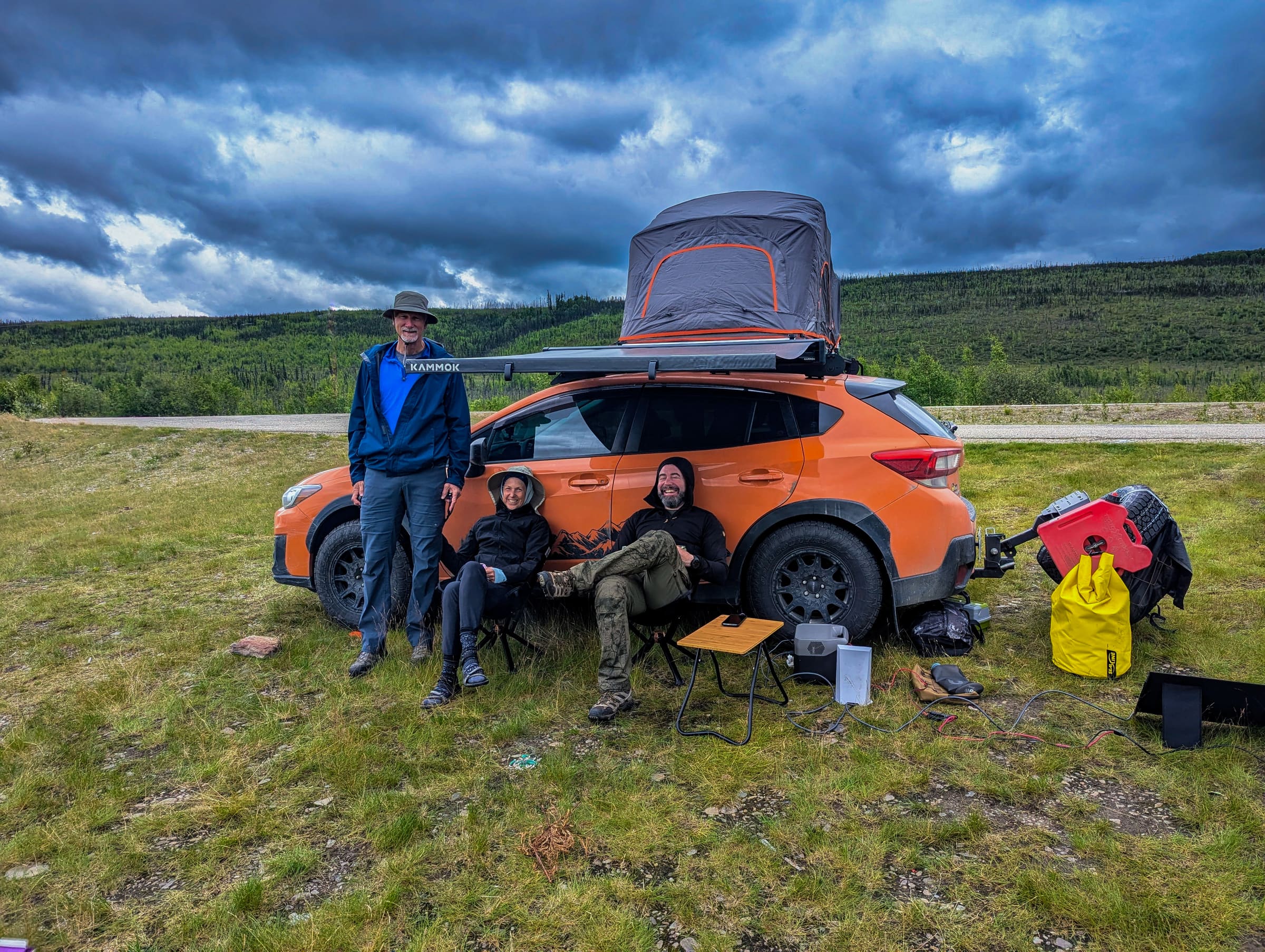
Your vehicle is your primary mode of transportation and often your shelter. Ensure it's in top condition:
- Maintenance check: Before you leave, have your vehicle serviced. Check tires, brakes, fluids, and lights.
- Spare tire and tools: Know how to change a flat. Many Alaskan roads, especially those leading to trailheads or remote areas, are gravel.
- Fuel planning: Gas stations can be few and far between. It's highly advisable to top off your tank when you have the opportunity. Consult our guide on fuel planning in Alaska for more specific advice.
- Emergency kit: Jumper cables, flashlight, first-aid kit, non-perishable food, water, blankets, and a shovel are essential.
Packing Smart: Layers and Essentials
Alaska's weather is famously unpredictable. Layering is key, even in summer. Beyond clothing, consider:
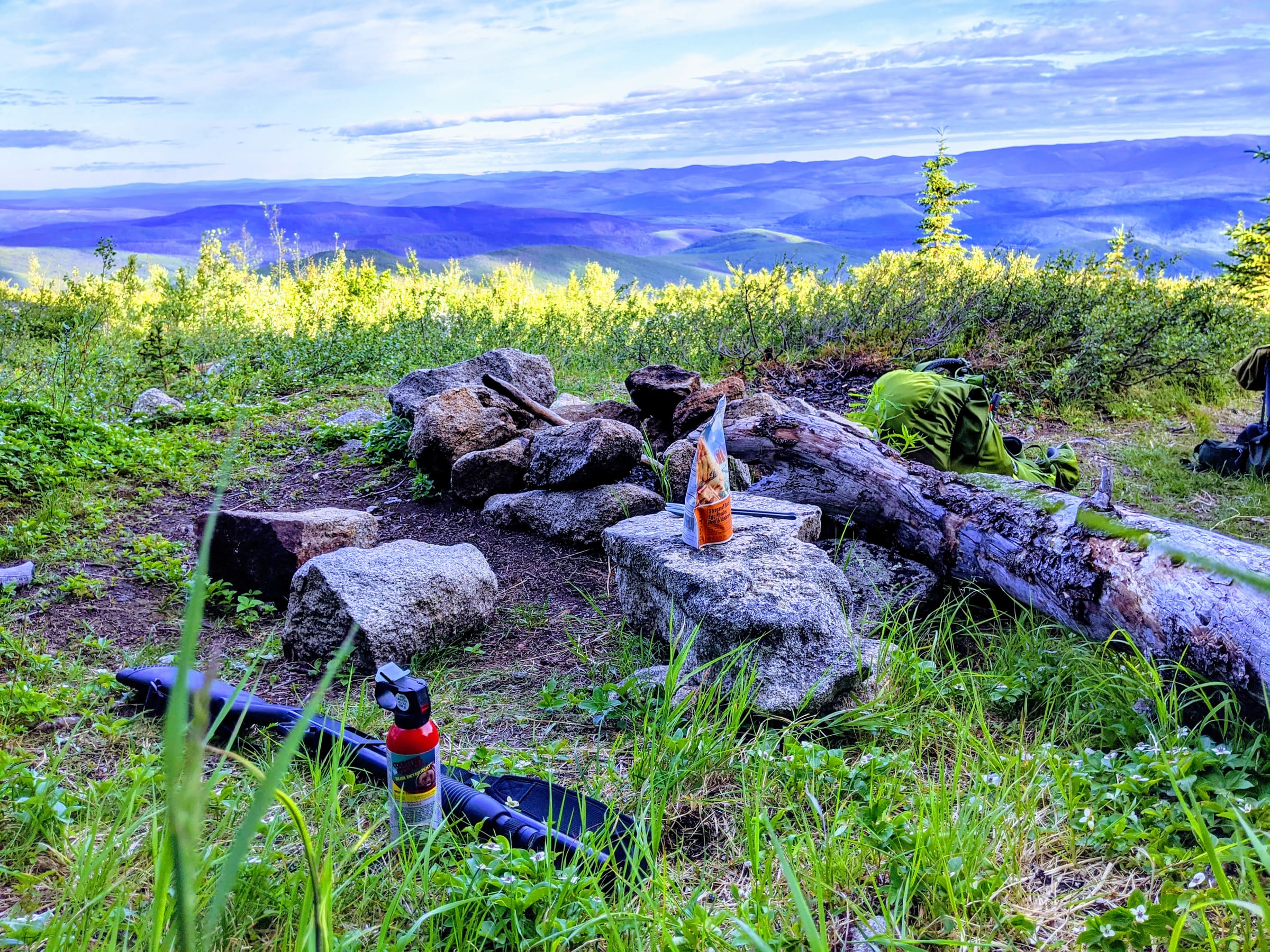
- Bear spray: Know how to use it and carry it accessibly on hikes.
- Navigation tools: Paper maps, a compass, and a GPS device (even if you have a satellite communicator).
- Headlamp: Essential for early mornings, late evenings, or unexpected situations.
- Insect repellent: Mosquitoes can be prolific in summer.
For a comprehensive list, refer to our Alaska road trip packing list.
Staying Connected: Communication in Remote Alaska
One of the biggest challenges for solo travelers in Alaska is the lack of reliable cell service outside of major towns and along primary highways. This is not a place where you can count on your smartphone for constant connectivity.
Cell Service Limitations: Where You'll Be Offline
Expect significant stretches of your journey, particularly on routes like the Denali Park Road (beyond mile 3), the McCarthy Road, or even parts of the Seward Highway, to be completely without cell signal. This means no calls, no texts, and no internet. Relying solely on your phone for navigation or emergencies is a critical mistake.
Satellite Devices: Your Lifeline in the Backcountry
For solo travelers, a satellite communication device is not just recommended; it's nearly essential. Devices like the Garmin inReach or SPOT provide:
- Two-way satellite messaging: You can send and receive texts even when there's no cell service.
- SOS function: In a true emergency, you can trigger an SOS signal that connects you directly to a 24/7 search and rescue monitoring center.
- GPS tracking: Many devices allow you to share your location with loved ones, giving them peace of mind.
These devices operate on satellite networks, offering coverage in areas where traditional cell towers don't exist. They require a subscription, so factor that into your planning.
The "Trip Check-in" System: Informing Others of Your Route
Even with a satellite device, having a human check-in system is invaluable. This involves:
- Designating a contact person: Choose a reliable friend or family member who knows your detailed itinerary.
- Establishing check-in times: Agree on specific times each day or every few days when you will check in via text, call (if service allows), or satellite message.
- Defining a "no-contact" protocol: What happens if you miss a check-in? Your contact person should know when to initiate a search or alert authorities. This might involve waiting a certain number of hours, then trying to contact you again, and finally, if unsuccessful, contacting local authorities or the Alaska State Troopers.
This proactive approach ensures that if something goes wrong, someone knows you're missing and where to start looking. It's a simple yet incredibly effective safety measure for anyone venturing into Alaska's remote areas alone.
Navigating Wildlife Encounters Safely
Wildlife encounters are a highlight of any Alaska trip, but they demand respect and preparedness, especially for solo travelers.
Bear Safety: Prevention and Preparedness
Alaska is home to both black bears and grizzly (brown) bears. Knowing the difference and how to react is crucial. For detailed guidance, the National Park Service offers excellent resources on bear safety in national parks, which are applicable across Alaska.
- Make noise: When hiking, especially in dense brush, talk loudly or wear a bear bell to avoid surprising a bear.
- Carry bear spray: have it accessible, not in your backpack, as recommended by the Alaska Department of Fish and Game. Know how to use it.
- Store food properly: Use bear-resistant containers or hang food from trees when camping. Never leave food unattended, as this can attract wildlife.
- Know what to do: If you encounter a bear, remain calm. Identify the type of bear if possible. Generally, for black bears, make yourself look big and make noise. For grizzlies, avoid eye contact, speak softly, and slowly back away. If attacked, fight back against a black bear; play dead for a grizzly (unless it's a predatory attack).
Moose and Other Animals: Respecting Their Space
Moose are large, powerful animals that can be aggressive, especially cows with calves. Give them a wide berth. If a moose charges, run and try to get behind a tree or other obstacle. Other animals like Dall sheep, caribou, and eagles are generally less dangerous but should still be observed from a respectful distance.
For more specific advice on wildlife interactions, our blog post on wildlife safety in Alaska offers additional insights.
Road Safety and Remote Driving
Alaska's roads offer stunning views but also unique challenges, particularly for those accustomed to well-maintained highways.
Gravel Roads and Conditions
Many scenic routes and access roads to trailheads are unpaved. Gravel roads require slower speeds, increased following distance, and careful handling. Watch out for potholes, washboards, and loose gravel. Flying rocks can damage windshields, so consider additional insurance coverage for your rental car.
Fuel Planning and Distances
As mentioned, fuel stops can be few and far between. On some routes, you might drive 100 miles or more without seeing a gas station. It's highly advisable to top off your tank when you have the opportunity. Carry an extra fuel can if you plan to venture far off the main highway system.
Emergency Roadside Assistance
Cell service gaps mean that calling for roadside assistance might not be possible. Consider a satellite device for emergencies, or be prepared to flag down passing vehicles (which can be infrequent on remote roads). Having basic repair knowledge, like changing a tire, is a significant advantage.
Managing Unexpected Situations
Even with the best planning, unexpected events can occur. Being mentally prepared for these scenarios is part of solo travel safety.
Weather Changes
Alaska's weather can shift rapidly, even in summer. A sunny morning can turn into a cold, rainy, or even snowy afternoon, especially at higher elevations or in late summer/early fall. It's crucial to check the forecast before heading out, for example, via the National Weather Service Alaska, and pack layers for all conditions. Be prepared for road closures due to snow or flooding, particularly in shoulder seasons.
Minor Injuries
A well-stocked first-aid kit is crucial. For solo travelers, knowing basic first aid is even more important. Consider taking a wilderness first aid course before your trip. If you sustain a minor injury, assess whether you can self-treat or if you need to seek medical attention in the nearest town.
Vehicle Breakdowns
Beyond having a spare tire, consider what you would do if your vehicle breaks down in a remote area. Stay with your vehicle, as it offers shelter and is easier for rescuers to spot. Use your satellite communicator to call for help, or wait for another vehicle to pass. Having extra food, water, and warm clothing in your emergency kit will be invaluable.
The Value of Expert Planning for Solo Adventures
For many first-time or second-time visitors, the thought of planning a detailed, safe, and enjoyable solo Alaska road trip can be overwhelming. The sheer volume of information, the unique safety considerations, and the need for meticulous logistical planning often lead to frustration or the fear of missing something critical.
This is where a service like Alaska Road Trip becomes invaluable. Instead of spending countless hours sifting through generic travel blogs or outdated information, you can leverage local expertise. Our custom day-by-day Alaska road-trip itineraries are hand-built by our founder, who has driven thousands of Alaska miles across multiple seasons. This means you get concrete, specific details tailored to your interests and the current season's conditions, such as the 2026 Denali Park Road closure at mile 43.
We understand the pain points of DIY research—the uncertainty about drive times, the struggle to find available lodging, and the worry about overlooked safety details. Our itineraries reframe this DIY pain into a done-for-you offer, providing peace of mind. You receive a printable, offline-ready PDF in 3-5 business days, with 1-2 revision rounds, ensuring your plan is perfect. We recommend lodging and activities with direct booking links, so you maintain control over your reservations without the hassle of us booking them for you. Our flat one-time fees—Lite $97 (1-5 days), Standard $197 (up to 14 days), Plus $297 (15+ days)—make expert planning accessible. Additionally, the Alaska Road Trip Concierge service, priced at $497, includes a 30-minute live founder call for personalized advice. We stand by our service with a 14-day money-back guarantee, full refund, no questions asked.
Frequently Asked Questions
Is Alaska safe for solo female travelers?
Yes, Alaska is generally safe for solo female travelers, provided you take the same precautions you would anywhere else, and pay extra attention to wilderness-specific safety. The primary concerns are usually related to wildlife encounters and remote conditions rather than human crime. Inform someone of your itinerary, carry a satellite communication device, and trust your instincts.
What are the best communication devices for remote areas in Alaska?
For remote areas without cell service, satellite communication devices like the Garmin inReach or SPOT are highly recommended. These devices allow for two-way messaging and an SOS function, providing a critical safety net. A NOAA Weather Radio can also be useful for receiving weather alerts.
How do I prepare for bear encounters while hiking alone?
Carry bear spray and know how to use it. Make noise while hiking to avoid surprising a bear. Store food in bear-resistant containers. Learn the difference between black and grizzly bears and their typical behaviors, as your reaction should vary. Never approach a bear, especially a sow with cubs.
Can I rely on my phone for navigation in Alaska?
No, you cannot reliably depend on your phone for navigation across all of Alaska. Cell service is intermittent and often non-existent outside of major towns and primary highways. Carry physical maps, download offline maps to your phone, and consider a dedicated GPS device as a backup. Your custom itinerary from Alaska Road Trip is delivered as an offline-ready PDF, ensuring you often have your plan accessible.
What should I do if my car breaks down in a remote area?
If your car breaks down in a remote area, stay with your vehicle. It provides shelter and is easier for search and rescue to spot. Use your satellite communication device to call for help. If you don't have one, prepare to wait for another vehicle to pass, which could take hours on very remote roads. Ensure your emergency kit includes extra food, water, and warm clothing.
Plan Your Safe Solo Alaska Adventure
Solo travel in Alaska offers an incredible opportunity for self-discovery and immersion in one of the world's most spectacular natural environments. By understanding the unique safety considerations, preparing diligently, and leveraging expert guidance, you can transform potential anxieties into confidence. Don't let the daunting research or the vastness of Alaska deter you from this once-in-a-lifetime experience. Let Alaska Road Trip help you craft a detailed, safe, and unforgettable itinerary, so you can focus on the adventure ahead. Visit Alaska Road Trip today to start planning your custom 2026 journey.
See a real Alaska itinerary before you spend a dollar
A real 3-day plan with driving times, lodging picks, and a daylight chart — free, in your inbox.
One email. No spam. Unsubscribe anytime. Or view it right now — no email needed ↗
Ready for the full plan? Get your custom itinerary — from $197 · 5-day delivery →