Alaska is synonymous with untamed wilderness, and nothing embodies this wild spirit quite like its resident bears. For many visitors, spotting a bear in its natural habitat is the ultimate bucket-list experience. If you are planning an adventure and wondering exactly where to see bears in Alaska, you have come to the right place. Our vast state is uniquely home to three distinct bear species: black bears, brown bears (including grizzlies), and polar bears. Each species occupies different regions and habitats, making your travel itinerary a crucial factor in your wildlife viewing success.
In this comprehensive guide, we will explore the fascinating bear species that roam the Last Frontier, highlight the absolute best locations for bear watching, and share essential safety tips to ensure your encounters are both memorable and secure. Whether you are an avid wildlife photographer or a family on a summer road trip, knowing where to see bears in Alaska will help you craft the perfect itinerary.
The Three Bear Species of Alaska
Before you can decide where to see bears in Alaska, it is helpful to understand the different species that call this state home. Alaska is the only state in the U.S. that boasts populations of all three North American bear species. Each has unique physical characteristics, dietary preferences, and preferred habitats.
1. Black Bears (Ursus americanus)
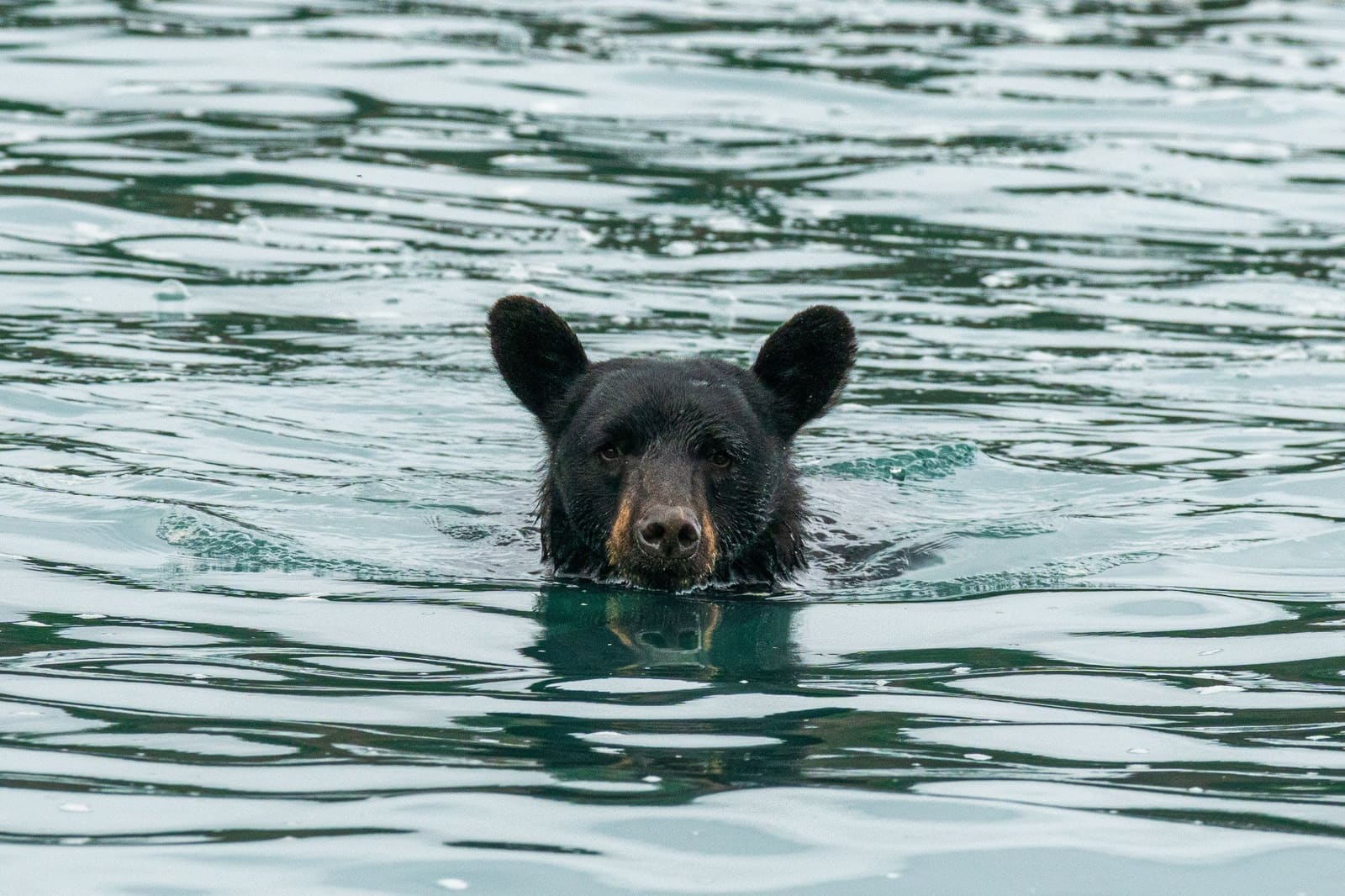
Black bears are the most abundant and widely distributed bear species in Alaska. Despite their name, black bears can range in color from jet black to cinnamon, brown, and even a rare bluish-gray (known as the glacier bear). They are generally smaller than brown bears, lacking the distinctive shoulder hump, and have a straighter facial profile with shorter claws adapted for climbing trees.
You will typically find black bears in forested areas, from the southern panhandle all the way up to the Brooks Range. They are highly adaptable and opportunistic omnivores, feeding on berries, vegetation, insects, and occasionally fish or small mammals. Because they are so widespread, black bears are often the species most frequently spotted by travelers driving along Alaska's scenic highways.
2. Brown Bears and Grizzly Bears (Ursus arctos)
In Alaska, the terms "brown bear" and "grizzly bear" refer to the same species, but they are used to distinguish between populations based on their location and diet. Coastal brown bears have access to abundant, protein-rich salmon runs and milder climates, allowing them to grow to massive sizes. Some coastal brown bears, particularly those on Kodiak Island, can weigh over 1,500 pounds.
Grizzly bears, on the other hand, are the interior population of brown bears. Living away from the coast, their diet consists mostly of roots, berries, ground squirrels, and occasionally larger prey like caribou or moose. Because their food sources are less concentrated, grizzlies are generally smaller than their coastal counterparts. Both varieties feature a prominent shoulder hump, a dish-shaped face, and long claws designed for digging.
3. Polar Bears (Ursus maritimus)
The polar bear is the largest bear species in the world and is uniquely adapted to life in the harsh Arctic environment. With their thick layer of blubber, water-repellent fur, and massive paws for swimming and walking on ice, polar bears are true marine mammals. Their diet consists almost exclusively of seals, which they hunt from the sea ice.
In Alaska, polar bears are found only in the far northern regions along the Beaufort and Chukchi seas. Viewing polar bears requires specialized travel arrangements, as they inhabit remote Arctic communities far off the standard road trip routes.
Top Locations: Where to See Bears in Alaska
Knowing where to see bears in Alaska depends heavily on which species you want to encounter and how you prefer to travel. From accessible national parks to remote fly-in lodges, here are the premier bear-viewing destinations in the state.
Denali National Park and Preserve
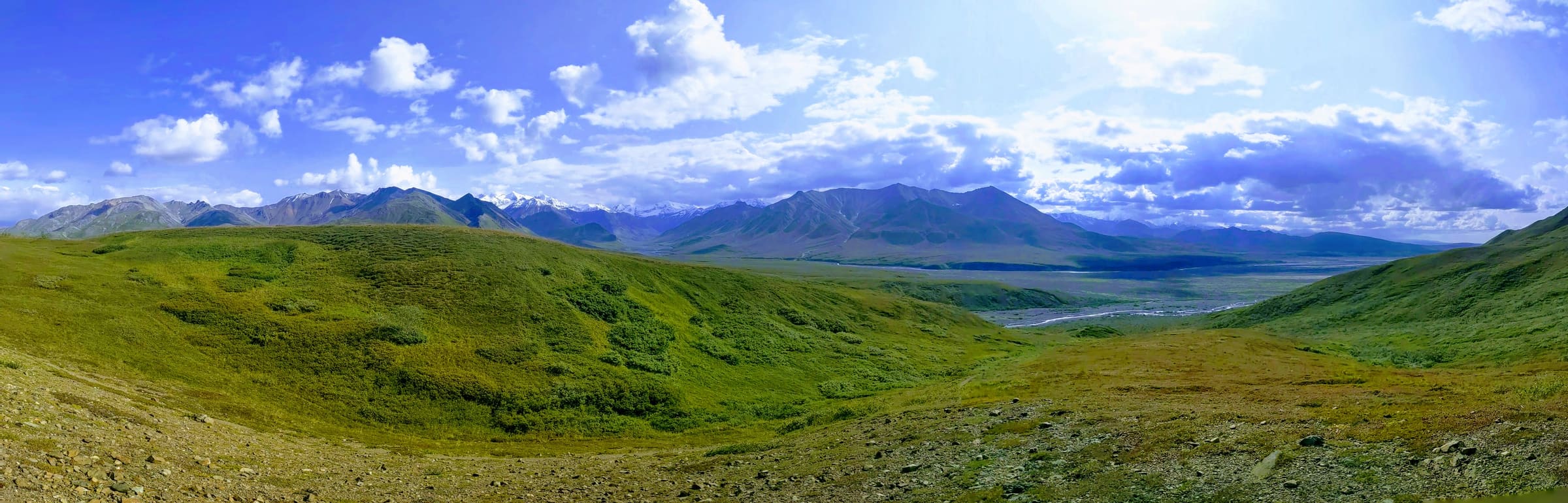
If you are hoping to spot interior grizzly bears, Denali National Park is arguably the best destination. The park's vast tundra landscape offers incredible visibility, making it easier to spot bears foraging for berries or digging for ground squirrels from a distance. Because private vehicles are restricted past mile 15 of the Park Road, most visitors take the official park transit or tour buses. The bus drivers and passengers act as multiple sets of eyes, frequently spotting grizzlies roaming the hillsides. If you are driving from Anchorage to Denali, the journey itself also offers sporadic opportunities to see black bears along the highway corridors.
Katmai National Park (Brooks Falls)
When people picture brown bears standing at the top of a waterfall catching leaping salmon, they are picturing Brooks Falls in Katmai National Park. This is the most famous bear-viewing destination in the world. During the peak salmon run in July, it is not uncommon to see dozens of massive coastal brown bears fishing simultaneously. Access to Katmai is primarily by floatplane from Anchorage, Homer, or King Salmon. The park features elevated viewing platforms that allow visitors to safely observe and photograph the bears from just a few yards away.
The Kenai Peninsula
For travelers who prefer to stick to the road system, the Kenai Peninsula offers excellent opportunities for spotting both black and brown bears. The Russian River, located near Cooper Landing, is a popular spot where bears frequently come to fish for salmon, often sharing the riverbanks with human anglers. Additionally, while exploring the Kenai Peninsula loop, keep an eye out in the Chugach National Forest and along the Seward Highway, where black bears are often seen grazing on dandelions and berries in the spring and summer.
Kodiak Island
Kodiak Island is home to the legendary Kodiak brown bear, a distinct subspecies that ranks among the largest bears on Earth. The Kodiak National Wildlife Refuge covers a significant portion of the island, providing a protected habitat for over 3,000 bears. Viewing bears here usually requires booking a guided flightseeing tour or a boat charter, as the best viewing spots are remote and inaccessible by road. The prime viewing season on Kodiak aligns with the salmon runs from July through September.
Admiralty Island (Pack Creek)
Located in Southeast Alaska near Juneau, Admiralty Island is known to the native Tlingit people as "Kootznoowoo," which translates to "Fortress of the Bears." The island boasts one of the highest densities of brown bears in North America. The Pack Creek Bear Viewing Area is the most accessible spot on the island, requiring a permit and a floatplane or boat ride from Juneau. Visitors can watch bears fishing for chum and pink salmon in the tidal flats and creeks during the summer months.
The Arctic Coast (Kaktovik and Utqiagvik)
If your goal is to see polar bears, you must head to the extreme north of Alaska. The Inupiat village of Kaktovik, located on Barter Island in the Beaufort Sea, is the most reliable place for polar bear viewing. In the fall, polar bears gather near the village while waiting for the sea ice to form. Guided boat tours offer safe and respectful viewing opportunities. While traveling the Dalton Highway can get you to the Arctic Ocean at Prudhoe Bay, dedicated polar bear tours out of Kaktovik or Utqiagvik (formerly Barrow) are highly recommended for the best experience.
Essential Bear Safety Tips for Travelers
While figuring out where to see bears in Alaska is exciting, prioritizing safety is non-negotiable. Bears are wild, unpredictable animals, and entering their habitat requires respect and preparation. Whether you are hiking a remote trail or stepping out of your RV at a scenic pullout, you must practice proper bear safety.
- Make Noise: The vast majority of bear attacks occur when a bear is startled. When hiking, especially in dense brush or near loud streams, make plenty of noise. Talk loudly, clap your hands, or call out "Hey bear!" to alert them to your presence.
- Carry Bear Spray: Bear spray is a highly effective deterrent when used correctly. Carry it on your person (not buried in your backpack) in an easily accessible holster, and know how to deploy it before you hit the trail.
- Never Run: If you encounter a bear, do not run. Running can trigger a bear's predatory chase instinct. Stand your ground, ready your bear spray, and speak to the bear in a calm, firm voice while slowly backing away.
- Travel in Groups: Bears are less likely to approach a group of people. Hike in groups of three or more whenever possible, and stay close together.
- Manage Your Food: If you are camping, store all food, trash, and scented items in bear-proof containers or secure them in a hard-sided vehicle. Never bring food into your tent.
For a deeper dive into staying safe during your travels, be sure to review our guide on comprehensive wildlife safety in Alaska before your trip.
The Best Time of Year for Bear Viewing
Timing is just as important as location when determining where to see bears in Alaska. Bears hibernate during the winter, so your viewing window is limited to the warmer months.
Spring (May to June): As bears emerge from their dens, they head to lower elevations to feed on fresh vegetation, roots, and sedge grasses. This is a great time to see bears grazing along highways and in coastal meadows. Black bears are particularly active during this time.
Summer (July to August): This is the peak season for bear viewing, largely due to the legendary Alaska salmon runs. Brown bears congregate in large numbers at rivers and waterfalls (like Brooks Falls) to gorge on fish and build up their fat reserves. If you are visiting Alaska in summer, booking a dedicated bear-viewing flightseeing tour is highly recommended.
Fall (September to October): Bears enter a phase called hyperphagia, where they eat nearly non-stop to prepare for hibernation. They can be seen foraging for late-season berries and finishing up the last of the salmon runs. Fall is also the prime time for polar bear viewing on the Arctic coast.
Frequently Asked Questions
What is the best month to see bears in Alaska?
July is generally considered the best month for bear viewing in Alaska, particularly for brown bears. This is when the salmon runs are at their peak, drawing large numbers of bears to rivers and streams. However, May and June are excellent for spotting bears foraging for vegetation, and September is ideal for polar bears in the Arctic.
Is it safe to hike in bear country?
Yes, it is safe to hike in bear country provided you take the necessary precautions. Always carry bear spray, make plenty of noise to avoid surprising a bear, hike in groups, and stay alert to your surroundings. Millions of people safely recreate in Alaska's wilderness every year by following these simple rules.
Can I see bears from the road in Alaska?
Absolutely. It is very common to see black bears, and occasionally grizzly bears, from the safety of your vehicle while driving Alaska's highways. The Seward Highway, the Sterling Highway, and the Parks Highway are all known for roadside bear sightings. Always pull over safely and completely off the road if you stop to view wildlife, and never exit your vehicle to approach a bear.
Do I need a guide to see bears?
While you can certainly spot bears on your own while driving or hiking, hiring a guide significantly increases your chances of a high-quality, safe encounter. Guided tours to places like Katmai, Lake Clark, or Admiralty Island offer expert knowledge, safe transportation, and access to areas with the highest bear densities.
Start Planning Your Alaskan Bear Adventure
Spotting a wild bear in the breathtaking landscapes of Alaska is an experience that will stay with you for a lifetime. By understanding the different species, knowing the best locations and seasons, and respecting wildlife safety protocols, you are setting yourself up for an incredible journey. Whether you dream of watching grizzlies in Denali or coastal brown bears catching salmon at Brooks Falls, the Last Frontier is waiting for you. If you are ready to turn this dream into a reality, plan your Alaska travel itinerary with us today and ensure you don't miss a single moment of the wild beauty this state has to offer.
See a real Alaska itinerary before you spend a dollar
A real 3-day plan with driving times, lodging picks, and a daylight chart — free, in your inbox.
One email. No spam. Unsubscribe anytime. Or view it right now — no email needed ↗
Ready for the full plan? Get your custom itinerary — from $197 · 5-day delivery →