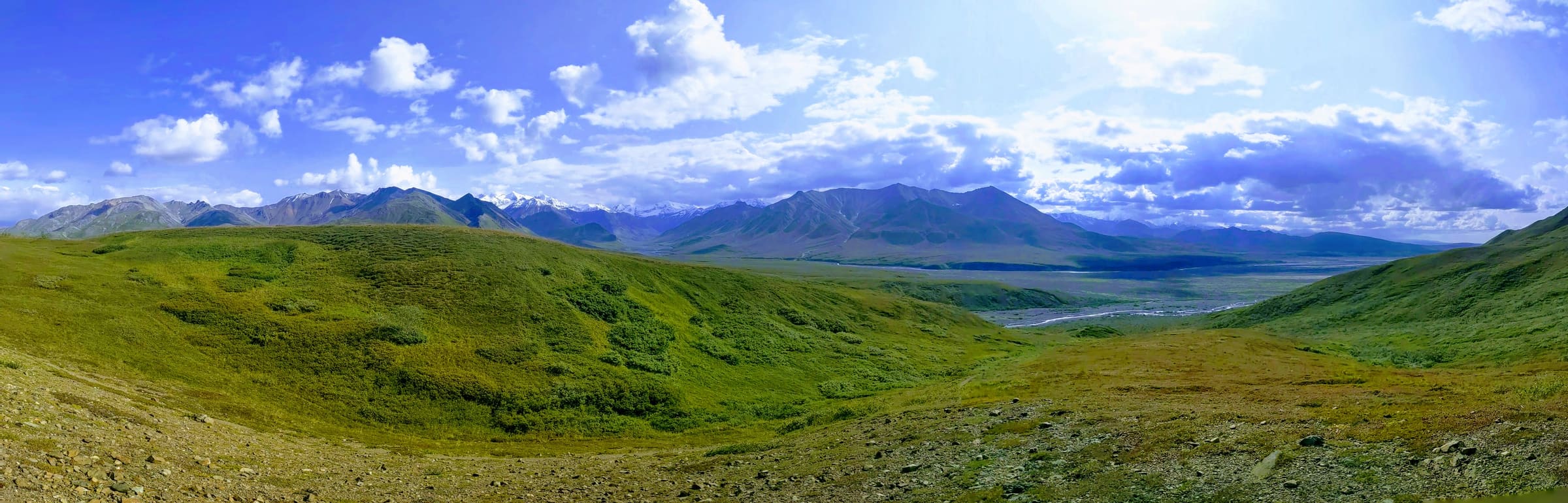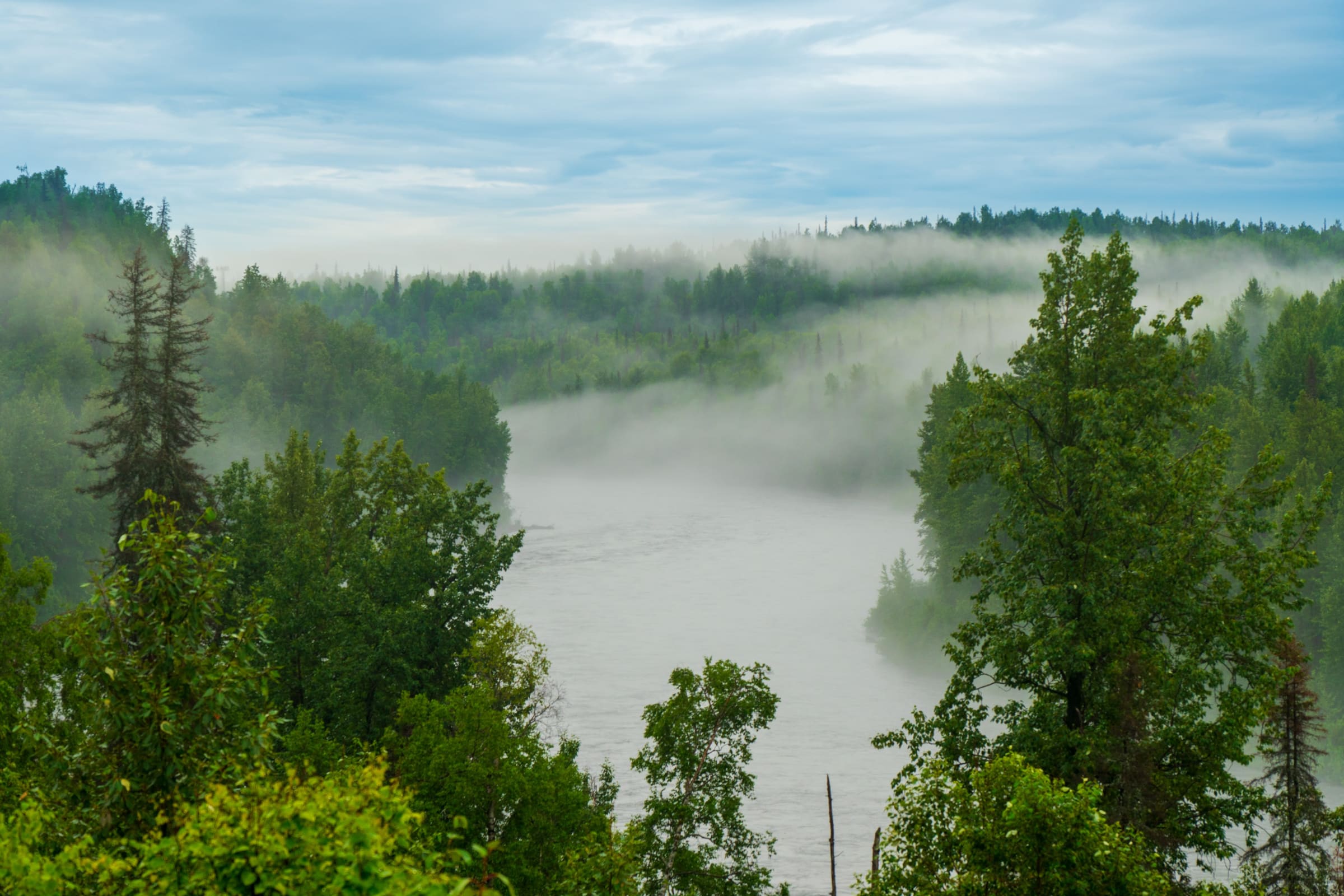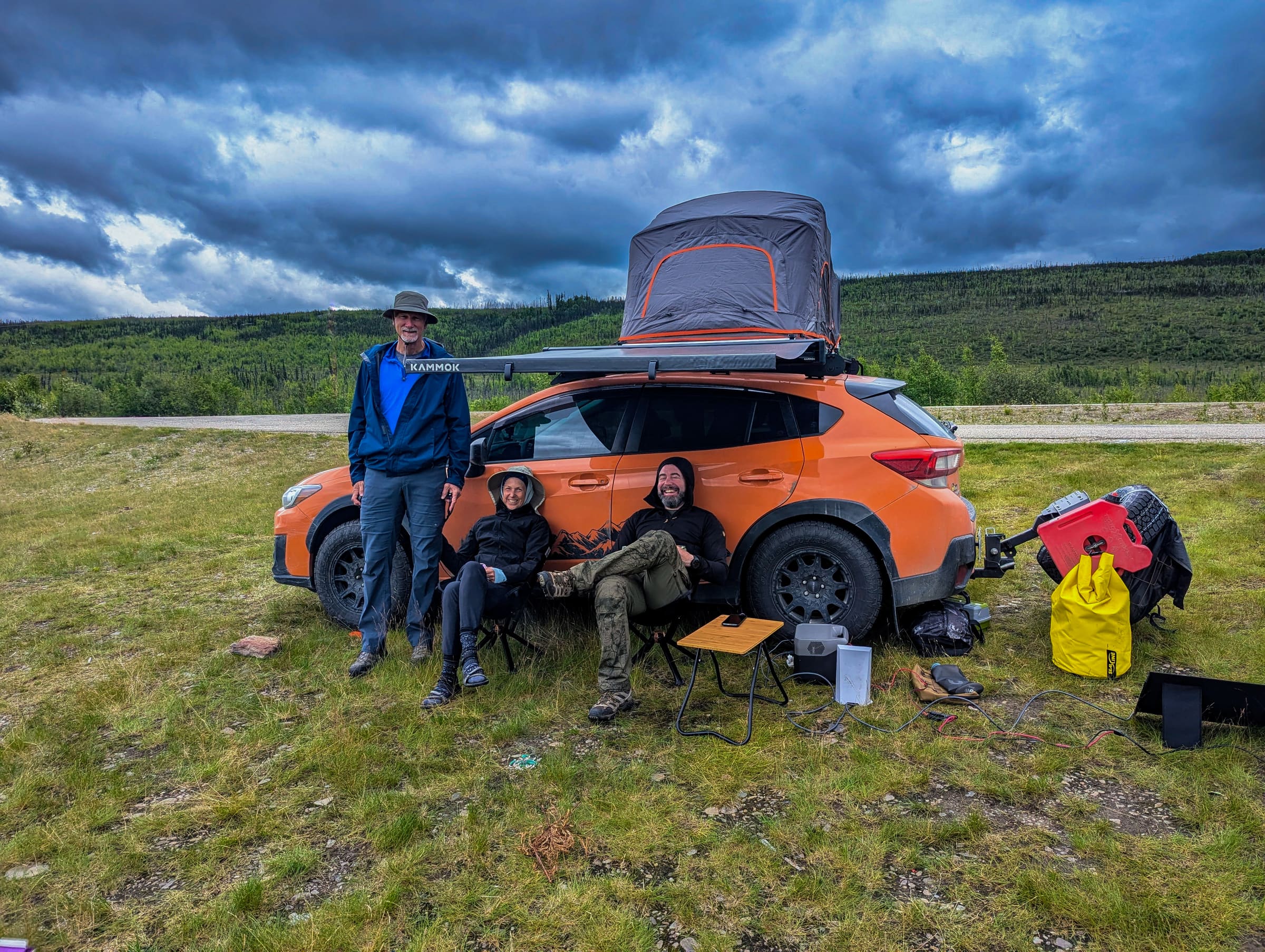
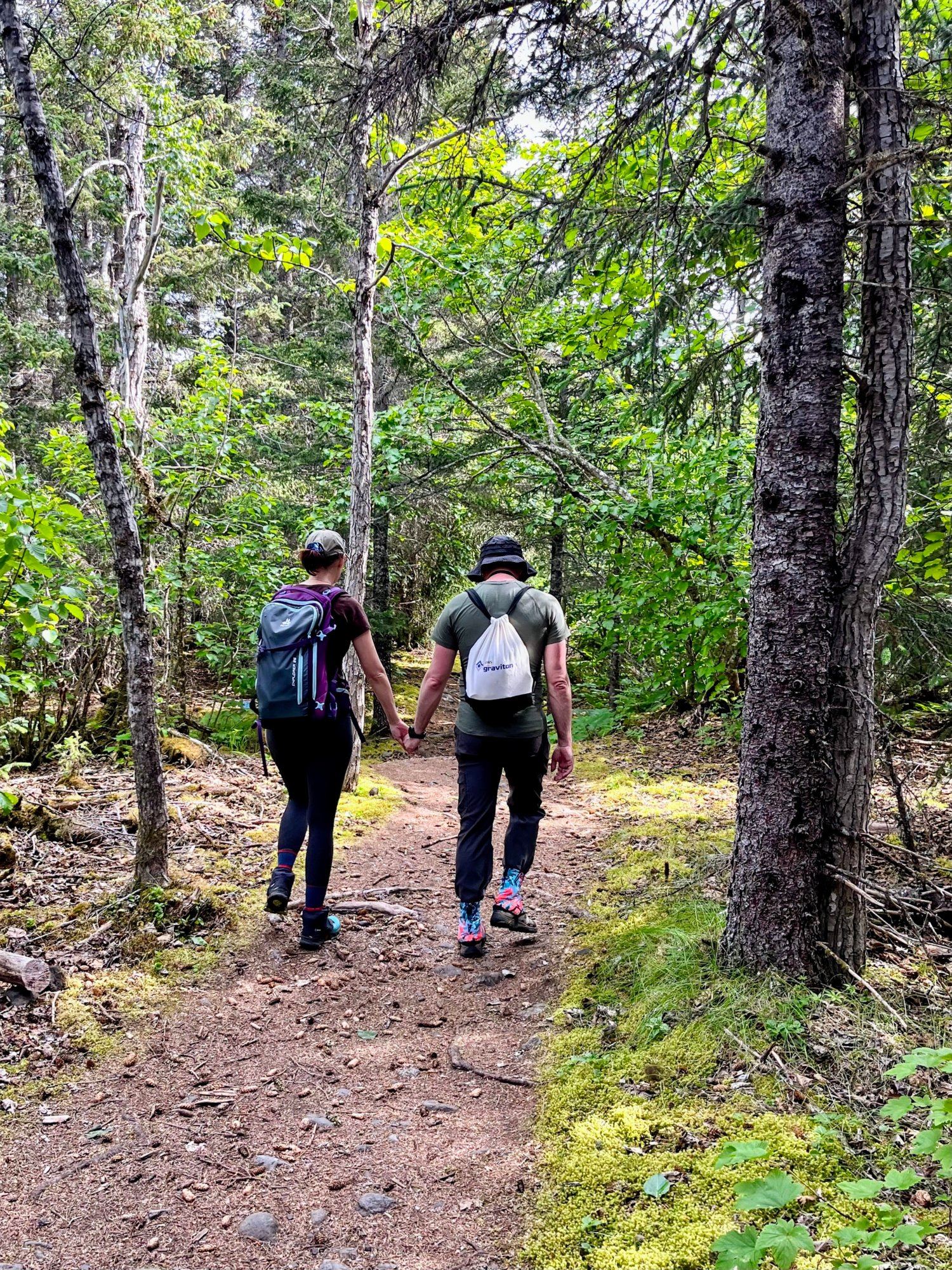
An Alaska road trip is an unparalleled adventure, a journey through some of the most breathtaking and untamed landscapes on Earth. Imagine towering mountains, glistening glaciers, vast tundras, and wildlife around every bend. It's the kind of trip that creates lifelong memories, but it also presents unique challenges, especially when you're sharing the front seat for hundreds of hours with your travel companions. Navigating frost heaves, dodging moose, and making split-second decisions on remote highways can test even the strongest relationships. That's why mastering your alaska road trip driving tips, particularly how you divide driving and navigating duties, is not just about efficiency—it's about preserving harmony and ensuring everyone enjoys the ride without drama.
At Alaska Road Trip, we understand that the journey itself is as important as the destination. We’ve helped countless travelers plan their perfect Alaskan adventures, and we’ve seen firsthand how effective teamwork behind the wheel can transform a good trip into an extraordinary one. This comprehensive guide will equip you with the strategies, communication tactics, and ground rules needed to navigate Alaska's stunning roads as a cohesive unit, turning potential friction points into shared triumphs.
The Foundation of a Harmonious Journey: Pre-Trip Planning
Before you even turn the ignition, a significant portion of your success lies in meticulous pre-trip planning. This isn't just about mapping out your route; it's about setting expectations, understanding the unique Alaskan driving environment, and making informed decisions about your vehicle and supplies.
Setting Expectations and Roles
- Discuss Driving Styles: Are you a fast driver, a slow driver, or somewhere in between? Do you prefer silence or conversation? Acknowledging these preferences upfront can prevent misunderstandings later.
- Define Driver/Navigator Roles: While the roles might rotate, clearly defining who is responsible for what at any given time is crucial. The driver focuses solely on the road, while the navigator manages directions, points of interest, rest stops, and communication with the driver.
- Anticipate Challenges: Alaska's roads can be unpredictable. Discuss how you'll handle gravel sections, sudden wildlife appearances, or long stretches without services. Having a plan for these scenarios reduces stress in the moment.
Vehicle Choice and Road Conditions
Your choice of vehicle significantly impacts your driving experience. Whether you opt for a sturdy SUV or an RV, understanding its capabilities and limitations is key. We offer detailed insights into this decision, helping you weigh the pros and cons. For a deeper dive, explore our guide on RV vs. Car for your Alaska Road Trip.
- Frost Heaves: These infamous road undulations are common, especially in spring. They require vigilance and reduced speeds to avoid damage to your vehicle and discomfort for passengers.
- Gravel Sections: Many scenic routes and access roads in Alaska are unpaved. These require slower speeds, increased following distance, and careful handling.
- Wildlife: Moose, caribou, bears, and other animals frequently cross roads. often be prepared to stop suddenly.
- Remote Stretches: Be aware of long distances between towns and services. Plan your fuel stops carefully. Our Alaska fuel planning guide provides essential tips for this.
Systematizing Driving & Navigating Duties
The core of a drama-free road trip lies in a well-defined system for sharing responsibilities. This isn't about rigid rules, but about creating a framework that promotes efficiency, safety, and mutual respect.
The Driver's Domain: Focus and Safety
The driver's primary responsibility is the safe operation of the vehicle. This means:
- Undivided Attention: Eyes on the road, hands on the wheel. Distractions from passengers should be minimized.
- Adhering to Road Conditions: Adjusting speed for gravel, frost heaves, rain, or wildlife.
- Communicating Needs: The driver should feel comfortable vocalizing when they need a break, are feeling tired, or require specific information from the navigator.
- Fatigue Management: Long drives in Alaska can be exhausting. Recognize the signs of drowsy driving and pull over for rest. The Centers for Disease Control and Prevention (CDC) offers valuable information on preventing drowsy driving, emphasizing the importance of adequate sleep and breaks.
The Navigator's Nexus: Information and Support
The navigator is the co-pilot, the information hub, and the driver's most important support system. Their duties include:
- Route Management: Monitoring GPS, physical maps, and road signs. Providing timely, clear instructions ("In two miles, turn left," not "Turn left now!").
- Identifying Points of Interest: Spotting upcoming scenic viewpoints, gas stations, rest areas, or potential wildlife viewing spots.
- Managing Logistics: Keeping track of the schedule, researching upcoming stops, and even managing music or podcasts.
- Being the "Eyes" for the Driver: Assisting with blind spots, especially when changing lanes or backing up larger vehicles.
The Shift Strategy: When and How to Rotate
Decide on a rotation schedule that works for everyone. Consider:
- Time-Based Shifts: 2-3 hour blocks are common. This allows for focused driving periods and regular breaks.
- Mileage-Based Shifts: Switching every 100-150 miles, especially on longer stretches.
- Segment-Based Shifts: Rotating drivers at major towns, national park entrances, or significant landmarks. This can align with natural breaks in the journey.
- Listen to Your Body: The most crucial rule is flexibility. If a driver is feeling fatigued, switch immediately, regardless of the pre-planned schedule.
Ground Rules for Spontaneous Stops & Wildlife Spotting
Alaska is synonymous with wildlife and breathtaking vistas. Spontaneous stops are inevitable and often the highlight of the trip, but they need a system to avoid frustration and ensure safety.
Pre-Agreed Signals and Protocols
- The "Stop!" Signal: Establish a clear, calm verbal cue or hand signal for when someone spots something incredible and wants to pull over.
- Safety First: The driver's priority is often to find a safe place to pull off the road completely. rarely stop in the middle of a highway, especially around blind curves or hills.
- Designated Spotter: One person can be the primary "spotter" for wildlife or photo opportunities, alerting the driver in advance.
- "No-Stop Zones": Agree on areas where stopping is impractical or unsafe (e.g., busy highway sections, construction zones).
Wildlife Viewing Etiquette and Safety
Encountering Alaska's wildlife is a privilege. Do so responsibly and safely. Our comprehensive guide on wildlife safety in Alaska offers detailed advice.
- Maintain Distance: often keep a safe distance from animals. Use binoculars or a telephoto lens for close-up views. The National Park Service provides excellent guidelines on wildlife safety and viewing ethics, emphasizing respect for animals and their habitat.
- Stay in Your Vehicle: Especially with bears and moose, staying inside your vehicle offers the best protection.
- rarely Feed Animals: This habituates them to humans and can lead to dangerous encounters.
- Be Mindful of Traffic: When pulling over, ensure your vehicle is completely off the road and that you're not creating a hazard for other drivers.
Communication Tactics for High-Stress Situations
Backing Up a Large Rig in Tight Spaces
If you're traveling in an RV or with a trailer, backing up can be a significant source of tension. Here’s how to make it smoother:
- Pre-Plan the Maneuver: Before backing, both driver and spotter should walk around the area, identify obstacles, and agree on the path.
- Clear Signals: Establish clear, unambiguous hand signals or use two-way radios (FRS radios are excellent for this). Verbal commands should be short and precise: "Straight back," "Driver's side back," "Passenger's side back," "STOP!"
- One Voice: Only one person should give instructions to the driver. Too many voices create confusion.
- Patience is Paramount: Take it slow. If frustrated, stop, take a breath, and re-evaluate. There's no rush.
Navigating Unpaved and Challenging Roads
Alaska has some truly epic, but challenging, roads. The Dalton Highway and the Top of the World Highway are prime examples. For detailed guidance on these routes, check out our Dalton Highway Guide and Top of the World Highway Guide.
- Driver's Focus: The driver needs to concentrate intensely on road conditions, potholes, and oncoming traffic (especially large trucks).
- Navigator's Role: The navigator can help by scanning for hazards, monitoring gauges (if applicable), and providing reassurance.
- Anticipate and Communicate: If the navigator sees a particularly rough patch ahead, they should warn the driver calmly and clearly. "Rough section ahead, slow down."
Dealing with Unexpected Road Closures or Detours
Road closures due to weather, construction, or unforeseen events are a reality in Alaska. Having a plan for these scenarios can save immense stress. Our guide on Alaska Road Trip Backup Plans offers practical advice.
- Stay Calm: Panicking helps no one. Take a deep breath.
- Information Gathering: The navigator can research alternative routes, estimated delays, or local accommodations using available connectivity (or pre-downloaded maps). The Alaska Department of Transportation & Public Facilities (DOT&PF) provides real-time road condition updates on their 511 Alaska website, an invaluable resource for any road tripper.
- Joint Decision-Making: Discuss options together. Be flexible and willing to adjust your itinerary.
The Art of "Navigator's Voice" and "Driver's Focus"
- Navigator's Voice: Keep instructions clear, concise, and calm. Avoid yelling or last-minute directives. Give ample warning for turns or maneuvers. "In half a mile, prepare to turn right."
- Driver's Focus: Acknowledge instructions ("Got it," "Okay"). If unsure, ask for clarification immediately. "Did you say left or right?"
- Positive Reinforcement: A simple "Good job" or "Thanks for spotting that" goes a long way in maintaining morale.
- De-escalation: If tension rises, agree to a "time-out." Pull over safely, step out of the vehicle, and take a few minutes to cool down before resuming.
Essential Gear & Tech for Smooth Sailing
Beyond your vehicle, certain tools can significantly enhance your driving and navigation experience, especially in remote Alaskan environments.
- Offline Maps: Download maps for your entire route on multiple devices (phone, tablet) before you lose cell service. Google Maps, Apple Maps, and dedicated apps like Gaia GPS or Maps.me are excellent for this.
- Two-Way Radios (FRS/GMRS): Invaluable for communication between a spotter and driver during tricky maneuvers or when traveling in a convoy.
- Power Banks and Car Chargers: Keep all your devices charged, especially those running navigation apps.
- Physical Maps: A good old-fashioned paper map serves as an excellent backup and can provide a broader overview of your route.
- Emergency Kit: Flares, first-aid, extra food/water, blankets, and a shovel are essential, especially on remote roads.
- Entertainment: For the non-driver, podcasts, audiobooks, or music playlists can make long stretches more enjoyable and reduce the urge to distract the driver.
Embracing the Alaskan Journey Together
Ultimately, an Alaska road trip is a shared adventure. The challenges you overcome together, the wildlife you spot, and the breathtaking landscapes you witness will forge stronger bonds and create indelible memories. Patience, humor, and a willingness to compromise are your most valuable assets.
- Celebrate Small Victories: Successfully navigating a tricky gravel road, finding that elusive moose, or simply enjoying a peaceful stretch of highway—acknowledge and celebrate these moments.
- Take Turns Being the "Planner": While one person might be the primary navigator, share the joy of discovering new places and planning activities.
- Remember the "Why": When tensions rise, remind yourselves why you embarked on this incredible journey together. It’s about the experience, the beauty, and the shared adventure.
Frequently Asked Questions
How often should we switch drivers on an Alaska road trip?
The ideal frequency depends on individual stamina, road conditions, and the length of your driving day. A common recommendation is to switch every 2-3 hours or every 150-200 miles. However, the most important rule is to switch whenever a driver feels fatigued, regardless of the schedule. Prioritize safety over sticking to a rigid plan.
What's the best way to navigate without cell service in remote Alaska?
The best strategy is redundancy. Download offline maps for your entire route on at least two devices (e.g., your smartphone and a tablet) before you leave areas with service. Apps like Google Maps, Apple Maps, Maps.me, or Gaia GPS allow for offline map downloads. Supplement this with a physical paper map of Alaska as a reliable backup. Consider a satellite communication device for emergencies, especially on very remote routes.
How do we handle unexpected wildlife encounters safely?
often prioritize safety. If you spot wildlife, slow down immediately and be prepared to stop. Pull over completely and safely off the road if you wish to observe. Maintain a significant distance (at least 25 yards for most animals, 100 yards for bears). Stay inside your vehicle, especially for larger animals like moose and bears. rarely feed wildlife or try to approach them for a photo. Be mindful of other traffic and avoid creating a road hazard.
What if one person is a much better driver than the other?
This is a common scenario. Instead of one person doing all the driving, which leads to fatigue and resentment, focus on leveraging each person's strengths. The more experienced driver might handle the more challenging sections (e.g., gravel roads, mountain passes), while the other takes on easier, straighter stretches. The "better" driver can also act as a coach, offering constructive, calm feedback to improve the other's confidence and skills. The key is mutual respect and a shared goal of safe travel.
How can we prevent arguments during navigation?
Prevention starts with clear communication and pre-agreed rules. Establish a "navigator's voice" (calm, clear, timely instructions) and a "driver's focus" (acknowledging instructions, asking for clarification). Avoid backseat driving. If tension rises, implement a "time-out" rule: pull over safely, take a break, and discuss the issue calmly away from the stress of driving. Remember that you're a team, and the goal is a shared, enjoyable experience.
Embarking on an Alaska road trip is an adventure of a lifetime, and with the right strategies for dividing duties and communicating effectively, it can be a truly harmonious experience. Don't let the logistics overshadow the magic of the Last Frontier. If you're ready to plan your unforgettable journey but want expert guidance to ensure every detail is covered, let Alaska Road Trip help. Alaska Road Trip's itinerary planning services are designed to take the stress out of the preparation, allowing you to focus on the excitement of the open road. Plan your trip with us today and get ready for an Alaskan adventure without the drama!
See a real Alaska itinerary before you spend a dollar
A real 3-day plan with driving times, lodging picks, and a daylight chart — free, in your inbox.
One email. No spam. Unsubscribe anytime. Or view it right now — no email needed ↗
Ready for the full plan? Get your custom itinerary — from $197 · 5-day delivery →