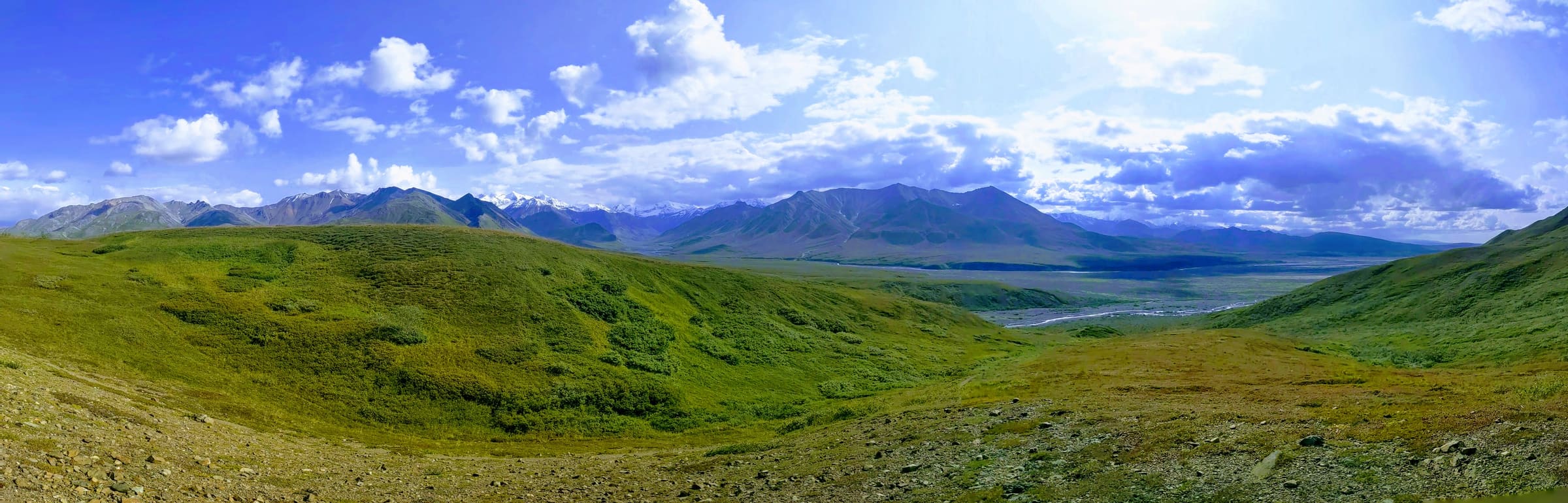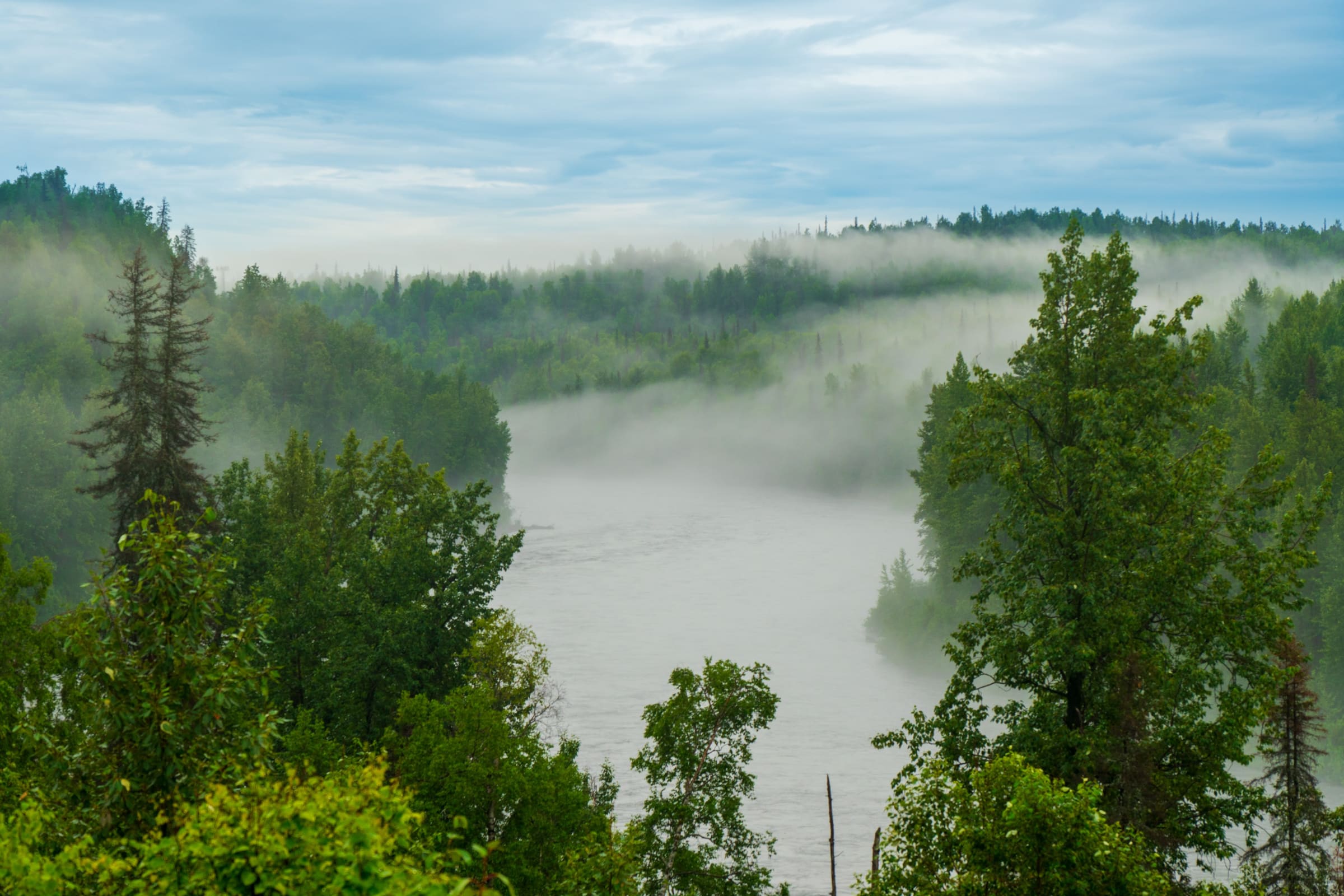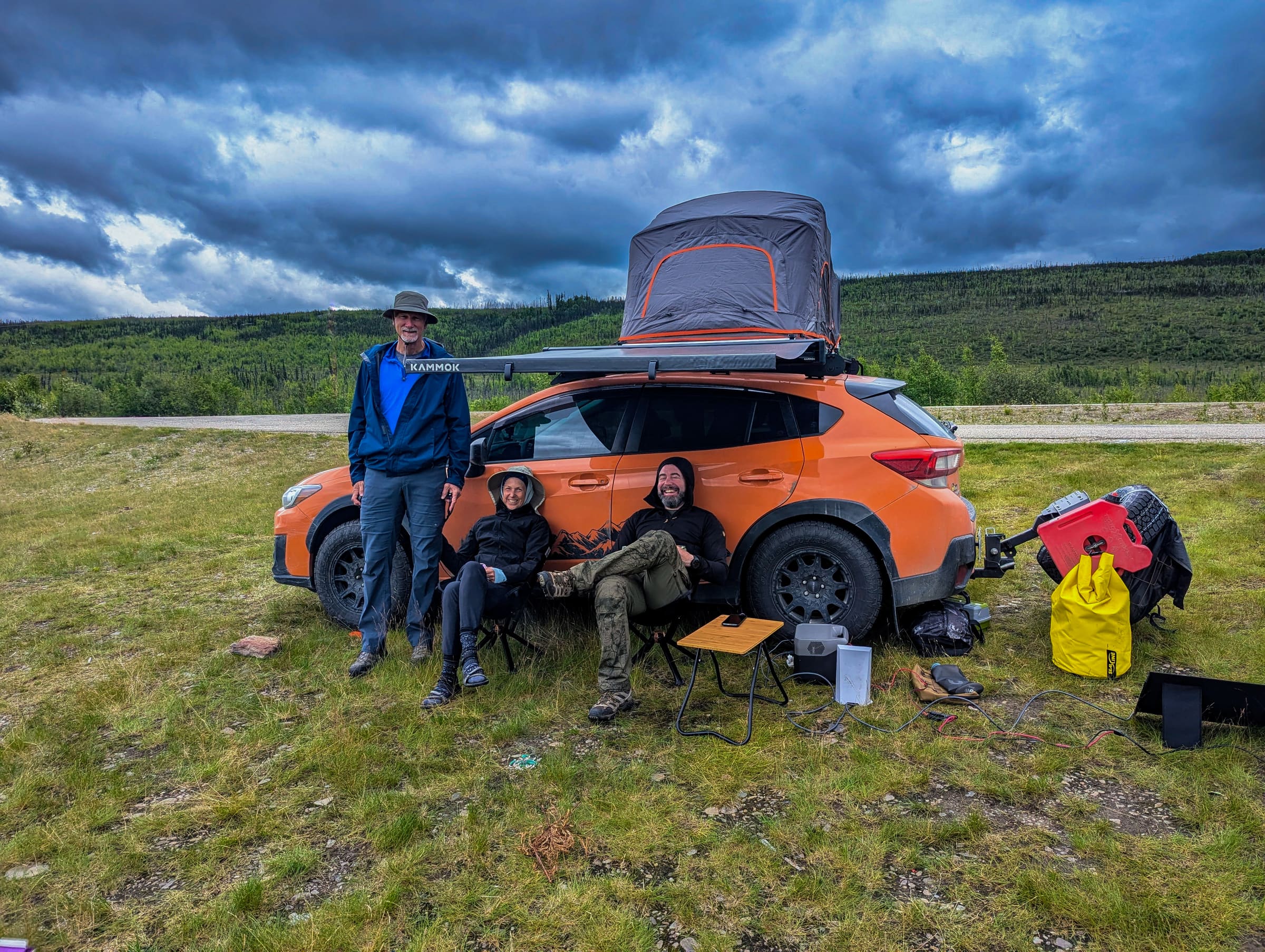

The allure of Alaska calls to many, promising unparalleled wilderness, majestic wildlife, and adventures unlike any other. For those in the Lower 48, the ultimate way to experience this grandeur often involves an epic road trip. But before you even set a tire on the famed Alaska Highway, which officially begins in Dawson Creek, British Columbia, you're likely facing a multi-day expedition just to reach its starting line. This initial leg, often spanning thousands of miles across the vast plains of the U.S. and Canada, is not merely a prelude; it's a critical part of your journey that demands careful planning. Burning out on the approach can significantly diminish the enjoyment of your actual Alaska adventure.
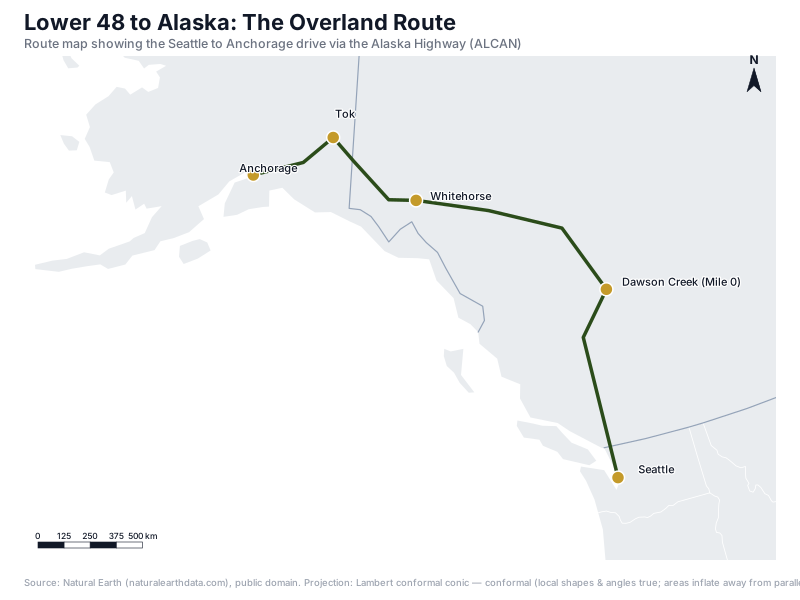
At Alaska Road Trip, we understand the unique challenges and immense rewards of this incredible drive. Our goal is to equip you with essential driving to Alaska tips, ensuring your journey is as smooth and memorable as the destination itself. This comprehensive guide will delve into ideal daily driving limits to prevent fatigue, strategies for surviving the grueling stretches across the plains, and the final, crucial vehicle maintenance checks to perform before crossing into the true northern wilderness. Let's prepare you for the adventure of a lifetime, starting from your driveway all the way to the Last Frontier.
Mastering the Marathon: Daily Driving Limits and Fatigue Management
The sheer distance involved in driving to Alaska from the Lower 48 is often underestimated. Depending on your starting point, you could be looking at 3,000 to 5,000 miles or more, with a significant portion of that before you even reach the Alaska Highway. This isn't a weekend jaunt; it's a marathon, and treating it as such is paramount for safety and enjoyment.
Setting Realistic Daily Driving Goals
While it might be tempting to push through for maximum mileage, doing so dramatically increases the risk of driver fatigue. We recommend limiting your daily driving to 8-10 hours, covering approximately 400-600 miles. This allows for adequate breaks, sightseeing opportunities, and ensures you arrive at your overnight stop feeling refreshed, not exhausted. Remember, the goal is to enjoy the journey, not just endure it.
Strategies for Preventing Driver Fatigue
- Regular Breaks: Plan to stop every 2-3 hours for at least 15-20 minutes. Stretch your legs, grab a snack, or simply step out of the car. These short breaks are vital for maintaining alertness.
- Driver Rotation: If traveling with another licensed driver, rotate driving duties every few hours. This allows one person to rest, nap, or simply relax while the other focuses on the road.
- Prioritize Sleep: Aim for 7-9 hours of quality sleep each night. Resist the urge to drive late into the night or start before dawn just to gain a few extra miles. Drowsy driving can be as dangerous as impaired driving. based on the National Highway Traffic Safety Administration (NHTSA), drowsy driving was a factor in 697 fatalities in 2022 alone.
- Stay Hydrated and Eat Well: Dehydration and poor nutrition can contribute to fatigue. Keep water readily available and opt for healthy snacks over sugary treats that lead to energy crashes.
- Recognize the Signs: Be honest with yourself. If you're yawning frequently, blinking excessively, missing exits, or drifting from your lane, it's time to pull over and rest. A 20-30 minute power nap can make a significant difference.
Planning your route with designated rest stops, national parks, or interesting towns in mind can help break up the monotony and provide natural opportunities for breaks. Don't just drive; experience the journey.
Conquering the Plains: Navigating the Vast Stretches to the Alaska Highway
The journey to the Alaska Highway often involves traversing thousands of miles across the central United States and the Canadian Prairies. These stretches, while beautiful in their own right, can be mentally challenging due to their vastness and sometimes monotonous landscapes. Preparing for this leg is just as important as preparing for Alaska itself.
Mental Preparation for Monotony
Long, straight roads through seemingly endless fields can test your focus. Combat this with:
- Audio Entertainment: Load up on podcasts, audiobooks, and diverse music playlists.
- Road Trip Games: Engage passengers with classic road trip games.
- Mindfulness: Practice observing the subtle changes in the landscape, cloud formations, or unique roadside attractions.
Logistical Considerations for the Approach
- Fuel Planning: While not as remote as parts of Alaska or the Yukon, fuel stops can still be spread out, especially in rural areas of the Dakotas, Montana, Saskatchewan, and Alberta. Always keep your tank at least half full. For more detailed guidance, consult our Alaska Road Trip Fuel Planning Guide.
- Accommodation Strategies: During peak season (June-August 2026), popular stops along major routes can book up quickly. Consider booking accommodations a few days in advance, especially if you have specific towns in mind. Alternatively, if you prefer spontaneity, be prepared to use apps to find last-minute availability or be flexible with your overnight stops.
- Connectivity Challenges: Cell service can be spotty in remote areas of the U.S. and Canada. Download offline maps and essential information before you lose signal. For those needing to stay connected for remote work or emergencies, explore options for satellite communicators or enhanced Wi-Fi solutions.
- Weather Variations: Summer on the plains can bring intense heat, sudden thunderstorms, and even hail. Monitor weather forecasts closely and be prepared for rapid changes. Ensure your vehicle's air conditioning is in top shape.
- Road Conditions: While major highways are generally well-maintained, construction is common during the summer months. Expect potential delays and plan for detours.
- Packing Essentials: Beyond your Alaska-specific gear, ensure you have a basic emergency kit, plenty of water, non-perishable snacks, and comfortable clothing for varying temperatures during this initial leg. Our comprehensive Alaska Road Trip Packing List offers excellent suggestions.
The Gateway to the North: Final Vehicle Maintenance Checks Before Crossing into Alaska
Your vehicle is your lifeline on an Alaska road trip. Before you embark on the truly remote sections of the Alaska Highway and beyond, a thorough inspection and preparation are non-negotiable. This isn't just about avoiding breakdowns; it's about ensuring your safety and peace of mind in areas where assistance can be hours, or even days, away.
Critical Pre-Trip Vehicle Inspection Points
Ideally, have a trusted mechanic perform a comprehensive inspection a few weeks before your departure in 2026. However, a personal check before you leave the Lower 48 and again before you cross into the more remote Canadian sections (like Dawson Creek) is highly recommended.
- Tires: Inspect all five tires (including the spare) for proper inflation, tread depth, and any signs of damage (bulges, cracks, punctures). Consider a full-size spare, especially if you're venturing onto gravel roads. Rotate and balance tires if due.
- Brakes: Have your brake pads, rotors, and fluid checked. You'll be doing a lot of stopping and starting, and potentially some steep descents.
- Fluids: Check and top off engine oil, coolant, brake fluid, power steering fluid, and windshield washer fluid. Carry extra oil and coolant.
- Lights and Wipers: Ensure all headlights, taillights, turn signals, and brake lights are functioning. Replace worn wiper blades; you'll encounter rain, dust, and potentially bugs.
- Battery: Have your battery tested. Cold weather (even in summer at higher elevations) and long periods of driving can stress an older battery.
- Belts and Hoses: Inspect for cracks, fraying, or leaks. Carry spare belts if your vehicle is older or known for issues.
- Filters: Replace air and fuel filters if they're due. Clean filters improve engine performance and fuel efficiency.
- Alignment: Ensure your vehicle's alignment is good to prevent uneven tire wear and improve handling.
For a comprehensive checklist, the American Automobile Association (AAA) offers excellent resources for pre-trip vehicle preparation. Consult AAA's pre-trip checklist.
Specific Considerations for the Alaska Highway and Beyond
The Alaska Highway, while largely paved today, still has sections of gravel, construction, and can be rough in places. Beyond the main highway, roads like the Denali Park Road (partially gravel) or the Dalton Highway (mostly gravel) demand even more robust vehicle preparation. Learn more about what to expect on this iconic route in our Alaska Highway Guide.
- Emergency Kit: Beyond standard items, include a tire repair kit, a portable air compressor, jumper cables, basic tools (wrenches, screwdrivers, duct tape), a first-aid kit, emergency blankets, a flashlight, and non-perishable food and water.
- Full-Size Spare: We cannot stress this enough. A donut spare is insufficient for the distances and conditions you might encounter.
- Rock Chip Protection: Consider clear protective film for your headlights and windshield, or at least be prepared for potential rock chips from passing vehicles on gravel sections.
- Roadside Assistance: Understand the limitations of your roadside assistance plan in remote areas of Canada and Alaska. Satellite communication devices can be invaluable for emergencies outside of cell service.
Border Crossing and Canadian Logistics
Your journey to Alaska will take you through Canada, requiring a smooth border crossing. Proper documentation and awareness of Canadian regulations are crucial to avoid delays.
Required Documentation for U.S. Citizens
- Passport: A valid U.S. passport is essential for all travelers.
- Vehicle Registration: Carry your current vehicle registration.
- Proof of Insurance: Your U.S. auto insurance policy is generally valid in Canada, but it's wise to carry a Canadian Non-Resident Inter-Province Motor Vehicle Liability Insurance Card (often called a "Yellow Card"), which your insurer can provide.
- Driver's License: A valid U.S. driver's license.
- Proof of Ownership: If the vehicle is not registered in your name (e.g., a rental car or borrowed vehicle), carry a letter of permission from the owner/rental company.
Canadian Customs Regulations
Be aware of what you can and cannot bring into Canada:
- Firearms: Highly restricted. Handguns are generally prohibited. Check specific regulations if you plan to travel with firearms.
- Alcohol and Tobacco: There are limits on duty-free quantities.
- Cannabis: While legal in Canada, it is illegal to transport cannabis across the international border. Do not attempt to bring any cannabis products into Canada from the U.S.
- Food Items: Restrictions apply to certain agricultural products, fresh fruits, vegetables, and meats to prevent the spread of pests and diseases. Declare all food items.
For the most up-to-date information on entry requirements and prohibited goods, consult the Canada Border Services Agency (CBSA) website. Source: CBSA
Practical Canadian Logistics
- Currency: While credit cards are widely accepted, it's wise to have some Canadian cash for smaller purchases or in areas with limited connectivity.
- Cell Service: Check with your U.S. provider about international roaming plans. Consider purchasing a Canadian SIM card or an eSIM for better rates and coverage.
- Time Zones: Be mindful of time zone changes as you drive across Canada.
Planning Your Alaska Adventure: Beyond the Drive
Once you've successfully navigated the long haul and crossed into Alaska, the real adventure begins! The Last Frontier offers an incredible array of experiences, from glacier viewing and wildlife safaris to hiking and fishing. To truly maximize your time and avoid logistical headaches, a well-planned itinerary is invaluable.
Making the Most of Your Time in Alaska
Alaska is vast, and distances between attractions can be significant. Deciding what to see and do, and how to fit it all into your timeframe, requires careful consideration. Whether you have 7 days, 14 days, or even longer, having a structured plan will enhance your experience.
- Prioritize Your Interests: Do you dream of seeing Denali, exploring the Kenai Peninsula, or venturing north to the Arctic Circle? Focus on a few key regions to avoid rushing.
- Book Early: Especially for the summer 2026 season, popular accommodations, tours, and rental vehicles book up months in advance. This is particularly true for lodges inside national parks or unique experiences.
- Consider the Best Time to Visit: While summer (June-August) offers the warmest weather and longest daylight hours, shoulder seasons can provide unique experiences with fewer crowds. Our guide on the Best Time for an Alaska Road Trip can help you decide.
- RV vs. Car: The choice between an RV and a car impacts your flexibility and comfort. Weigh the pros and cons with our RV vs. Car for an Alaska Road Trip comparison.
At Alaska Road Trip, we specialize in crafting personalized itineraries that take the guesswork out of your journey. We handle the logistics, allowing you to focus on the adventure. Explore our dedicated Alaska Road Trip Itinerary Planning Services to see how we can tailor a trip specifically for you.
Frequently Asked Questions
How long does it typically take to drive to Alaska from the Lower 48?
The total driving time varies significantly based on your starting point and daily mileage. From the Midwest, expect 5-7 days of driving to reach the Alaska Highway. From the East Coast, it could be 8-12 days or more just to get to Dawson Creek, BC, plus another 3-5 days to reach Anchorage or Fairbanks. A realistic total trip, including sightseeing and rest, often spans 2-3 weeks.
What are the best times of year for the drive?
Late May through early September is generally considered the best window. June, July, and August offer the warmest weather, longest daylight hours, and most services open. However, these are also the busiest months. Late May and early September can offer fewer crowds and beautiful scenery, but some services might have reduced hours or be closed.
What documents do I need to cross the Canadian border?
U.S. citizens need a valid passport, vehicle registration, and proof of auto insurance. If you are driving a rental or borrowed vehicle, you'll also need a letter of permission from the owner or rental company. Be prepared to declare all goods, especially food items, firearms, and any large sums of cash.
Is the Alaska Highway paved?
Yes, the vast majority of the Alaska Highway is now paved. However, you will still encounter sections of gravel, construction zones, and areas where the pavement is rough due to frost heaves. These conditions can change rapidly, so often drive attentively and adjust your speed accordingly.
What should I pack for the drive?
Beyond your personal clothing and toiletries, essential items include a comprehensive emergency kit, a full-size spare tire, basic tools, extra fluids for your vehicle, a first-aid kit, insect repellent, bear spray (know how to use it safely), non-perishable food and water, and a reliable navigation system (with offline maps). Layers of clothing are crucial for Alaska's variable weather.
Your Alaska Adventure Awaits
Driving to Alaska is more than just a trip; it's an expedition that tests your planning skills, resilience, and sense of adventure. By following these essential driving to Alaska tips, you'll be well-prepared for the long haul from the Lower 48, ensuring that the journey itself becomes an integral, enjoyable part of your Alaskan story. Don't let the logistics overshadow the excitement. Let us help you craft the perfect, stress-free Alaska road trip itinerary. Visit our Plan Your Trip page or contact us today to start planning your unforgettable Alaskan adventure for 2026.

See a real Alaska itinerary before you spend a dollar
A real 3-day plan with driving times, lodging picks, and a daylight chart — free, in your inbox.
One email. No spam. Unsubscribe anytime. Or view it right now — no email needed ↗
Ready for the full plan? Get your custom itinerary — from $197 · 5-day delivery →