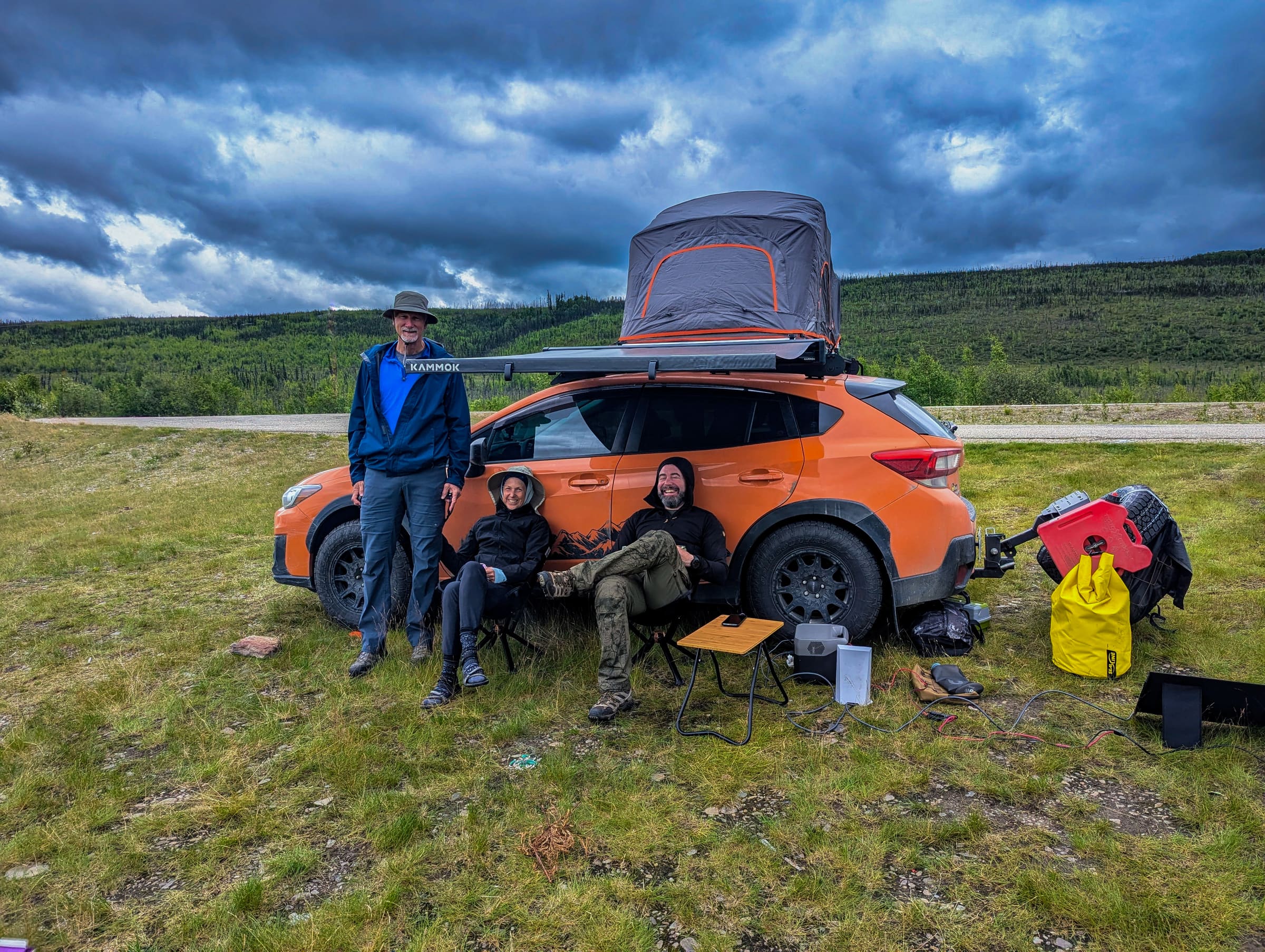
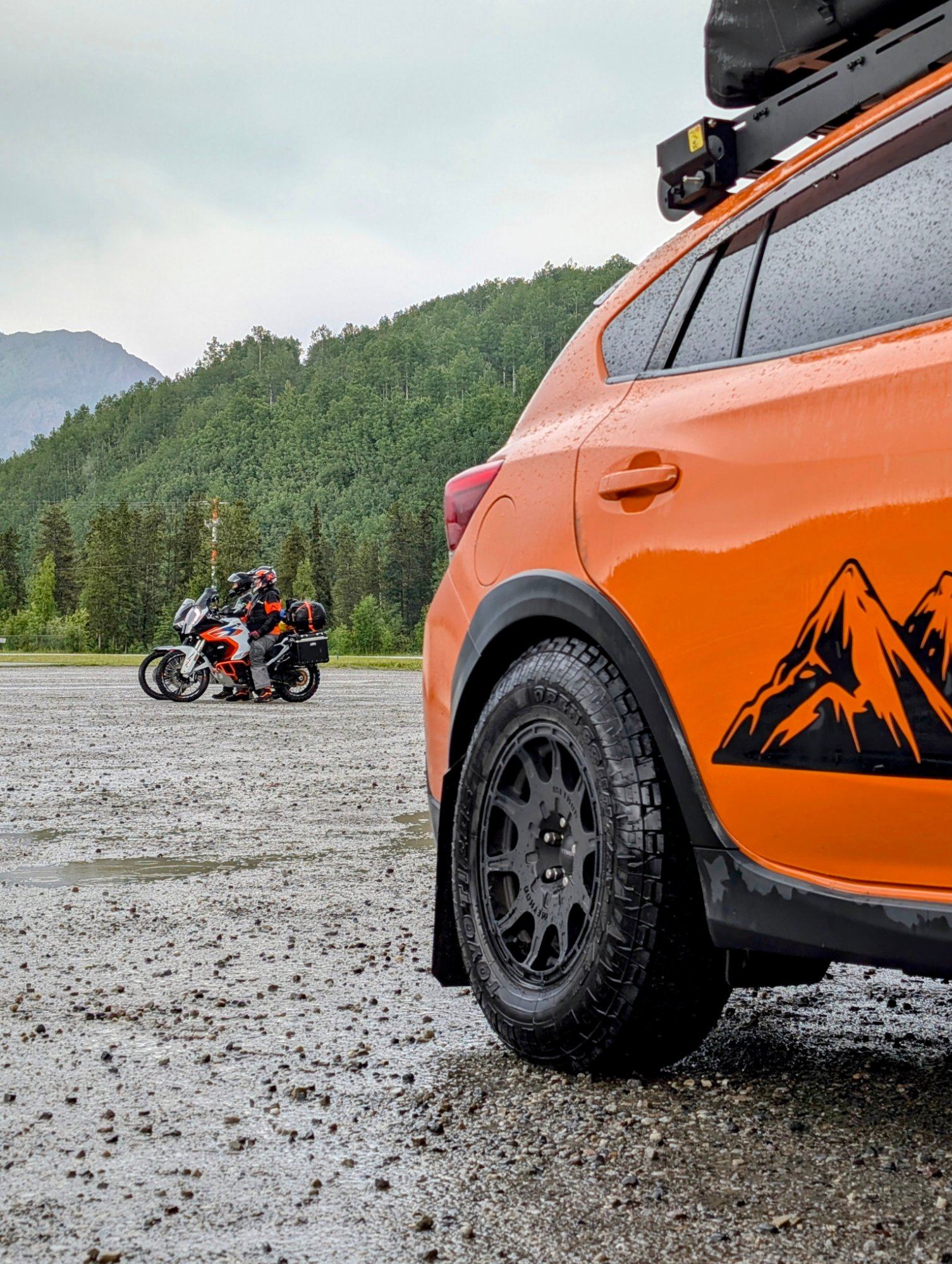
Dreaming of a self-drive adventure through Alaska's stunning landscapes in 2026? You're not alone. Many first-time and even second-time visitors envision cruising the scenic highways, but often get overwhelmed by the thought of preparing their vehicle. The good news is, you don't need a $200,000 expedition truck to tackle Alaska. What you do need are a few practical, affordable alaska road trip vehicle mods that can make a significant difference in safety, comfort, and peace of mind.
Alaska's roads, while generally well-maintained, can present unique challenges: long stretches between services, gravel sections, wildlife encounters, and the sheer remoteness of some areas. Preparing your vehicle isn't about transforming it into an off-road beast, but rather about enhancing its resilience and your comfort for the specific conditions you'll encounter. This guide, based on thousands of miles driven across multiple Alaskan seasons by our founder, will walk you through the essential modifications that are both practical and budget-friendly, helping you focus on the adventure ahead.
Why Your Vehicle Needs Specific Mods for an Alaskan Journey
Alaska isn't just another road trip destination; it's an experience that demands a bit more from your vehicle. The vast distances, varied terrain, and unique environmental factors mean that standard vehicle setups might fall short. Understanding these challenges is the first step in smart preparation:
- Road Conditions: While major highways like the Seward or Parks Highway are paved, you'll likely encounter gravel roads, construction zones, and potentially frost heaves that can be jarring. Roads like the Denali Park Road (which has sections, such as those affected by the Polychrome Pass project, that are closed past mile 43 for 2026-2027, but still offers stunning views up to that point; for current conditions, refer to the National Park Service website) or the McCarthy Road are famous for their unpaved sections.
- Remoteness: Services can be few and far between. A flat tire or minor mechanical issue in a remote area can quickly turn into a major headache. Being self-sufficient is key.
- Wildlife: Alaska is home to abundant wildlife. While thrilling to see, animals on or near the road are a constant concern, especially at dawn and dusk. For tips on safe driving around wildlife, consult resources from the Alaska Department of Fish and Game.
- Daylight Hours: During summer, Alaska experiences nearly 24 hours of daylight in many regions. This can impact sleep and comfort inside your vehicle.
These factors highlight why a few thoughtful modifications, rather than extensive overhauls, are crucial for a successful and enjoyable Alaska road trip.
Essential Mods for Safety and Durability
Prioritizing safety and ensuring your vehicle can withstand the journey's demands is paramount. These modifications focus on preventing common issues and enhancing your vehicle's resilience.
1. Tire Upgrades and Preparedness
Your tires are your vehicle's only contact with the road, making them arguably the most critical component for an Alaskan adventure. While you don't necessarily need extreme off-road tires, a robust set is highly recommended.
- All-Terrain (A/T) or All-Season Tires: Opt for tires with a slightly more aggressive tread pattern than standard highway tires. These offer better grip on gravel, dirt, and wet surfaces, and are more resistant to punctures. Look for tires with a higher ply rating if possible.
- Full-Size Spare Tire: Many modern vehicles come with a compact spare or a tire repair kit. For Alaska, a full-size spare is non-negotiable. If you get a flat on a remote gravel road, you'll be glad to have a proper replacement. Ensure it's in good condition and properly inflated.
- Tire Repair Kit and Air Compressor: Even with a good spare, a plug kit and a portable air compressor can save you if you get multiple flats or a slow leak. Knowing how to use them is also important.
- Tire Pressure Monitoring: Regularly check your tire pressure. Proper inflation improves fuel economy and reduces the risk of blowouts.
Before you leave, have a reputable tire shop inspect your tires for wear and tear. A fresh set of quality tires is a worthwhile investment for peace of mind.
2. Lighting Protection and Enhancement
Alaska's roads can kick up a lot of rocks and debris, especially from oncoming traffic or when you're on gravel. Protecting your lights is a simple yet effective modification.
- Headlight and Fog Light Protection: Clear vinyl films or acrylic covers can be applied to your headlights and fog lights. These act as a sacrificial layer, absorbing impacts from small rocks that would otherwise crack or chip your expensive light assemblies. They are relatively inexpensive and easy to install.
- Auxiliary Lighting (Optional but Recommended): While not strictly essential for summer daylight, if you plan on driving at night (which is rare in peak summer but possible in shoulder seasons) or want enhanced visibility on remote roads, a good set of auxiliary driving lights or an LED light bar can be beneficial. Ensure they are properly aimed and legal for road use in Alaska.
3. Underbody Protection and Mud Flaps
Protecting the underside of your vehicle is crucial, especially if you plan on venturing onto less-maintained roads.
- Skid Plates: While full aftermarket skid plates can be costly, many vehicles have factory options or simpler, more affordable aftermarket plates available for critical components like the oil pan, transmission, or fuel tank. These prevent damage from rocks, stumps, or uneven terrain. Even a basic engine skid plate can save you from a costly repair.
- Heavy-Duty Mud Flaps: Standard mud flaps often aren't robust enough for Alaska's gravel roads. Upgrading to wider, heavier-duty mud flaps (or installing them if your vehicle lacks them) significantly reduces the amount of rocks and debris thrown up by your own tires, protecting your underbody, paint, and even your trailer if you're towing. They also help keep your rear window cleaner.
4. Emergency Gear and Tools
This isn't a modification to your vehicle itself, but rather an essential kit you should often carry. Think of it as a critical extension of your vehicle's preparedness.
- Jump Starter/Cables: A portable jump starter pack is invaluable, especially in remote areas where finding another vehicle for a jump might be difficult.
- Basic Tool Kit: Wrenches, pliers, screwdrivers, duct tape, zip ties, and a multi-tool can help with minor roadside repairs.
- First Aid Kit: A comprehensive kit for both minor injuries and more serious emergencies. Consider taking a wilderness first aid course before your trip. You can find more details on what to pack in our Alaska Road Trip Packing List.
- Communication Devices: Cell service can be spotty outside major towns across Alaska, making reliable communication challenging in remote areas. For detailed information on connectivity, consult resources like the Travel Alaska safety tips, which often include communication advice. A satellite messenger (like a Garmin inReach or Zoleo) is a smart investment for emergencies, allowing you to send texts and SOS signals even without cell service.
- Extra Fuel Container: While not always necessary, carrying a small, approved fuel container (5 gallons) can be a lifesaver on long stretches between towns, especially if you miscalculate fuel stops. Our fuel planning guide for Alaska offers more insights.
Comfort and Convenience Mods for the Alaskan Experience
Beyond safety, a few modifications can significantly enhance your comfort, especially when dealing with Alaska's unique summer daylight.
1. Window Covers for 24-Hour Daylight
This is perhaps one of the most overlooked but essential comfort mods for an Alaskan summer road trip.
- Custom-Fit Window Shades: With nearly 24 hours of daylight in June and July, getting quality sleep can be challenging. Simple, opaque window covers for your vehicle's windows (especially if you plan to sleep in your car or just need darkness for naps) can significantly improve comfort and sleep quality. You can buy custom-fit reflective shades or easily make your own using Reflectix insulation, heavy-duty foil, or blackout fabric cut to size and held in place with suction cups or Velcro.
- Benefits: Not only do they block light for better sleep, but they also offer privacy and can help regulate interior temperature, keeping your vehicle cooler during the day and warmer at night.
2. Storage Solutions
Keeping your gear organized and secure is vital for a comfortable road trip.
- Roof Rack or Cargo Box: If your vehicle's interior space is limited, a roof rack with a cargo box or basket can free up valuable room inside, keeping dusty or wet gear outside. Ensure it's securely mounted and waterproof.
- Interior Organizers: Seat-back organizers, cargo nets, and under-seat storage bins can help keep essentials tidy and easily accessible, preventing clutter from accumulating.
3. Power Inverters and Charging Solutions
Keeping your devices charged is crucial for navigation, communication, and entertainment.
- DC to AC Power Inverter: A simple inverter that plugs into your 12V outlet (cigarette lighter) can power laptops, camera battery chargers, and other small electronics. Choose one with sufficient wattage for your needs.
- Multiple USB Charging Ports: Ensure you have enough USB ports for all your devices. USB hubs or multi-port car chargers are inexpensive and effective.
4. Navigation and Communication Enhancements
While not strictly a vehicle mod, these are crucial for navigating Alaska's vastness.
- Offline Maps: Download offline maps (Google Maps, Gaia GPS, etc.) to your smartphone or tablet. Cell service is unreliable outside of towns.
- Dedicated GPS Device: A standalone GPS unit can be a reliable backup, especially if your phone battery dies or you lose signal.
- Phone Mount: A sturdy phone mount keeps your navigation visible and your hands on the wheel.
Pre-Trip Vehicle Maintenance: The Most Important "Mod"
Even with all the fancy modifications, a poorly maintained vehicle is a recipe for disaster. The most crucial preparation for your Alaska road trip is thorough, preventative maintenance. Source: Dalton Johnson source.
- Full Inspection: Have a trusted mechanic perform a comprehensive inspection of your vehicle several weeks before your trip. This should include brakes, suspension, steering components, fluid levels (oil, coolant, transmission, brake fluid), belts, hoses, and battery health.
- Fluid Changes: Ensure your oil, transmission fluid, and coolant are fresh and at proper levels.
- Wiper Blades: Good visibility is paramount. Replace old or worn wiper blades.
- Brakes: Have your brakes inspected and replaced if necessary. You'll be doing a lot of driving, often with varying loads.
- Battery Check: Ensure your battery is in good health, especially if it's more than a few years old. Cold starts, even in summer, can be taxing.
Think of this as the foundation upon which all other alaska road trip vehicle mods are built. A well-maintained vehicle is inherently more reliable.
When to Consider Professional Help for Mods
While many of these modifications are DIY-friendly, some might require professional installation, especially if you're not comfortable working on your vehicle:
- Tire Mounting and Balancing: It's often best to have new tires professionally mounted and balanced.
- Skid Plate Installation: If it requires drilling or complex attachment points, a mechanic or off-road shop can ensure it's done correctly.
- Electrical Work: For auxiliary lights or complex power inverter setups, professional wiring ensures safety and proper function.
Don't hesitate to seek expert advice. A small investment in professional installation can prevent bigger problems down the road. For general vehicle maintenance tips, resources like AAA's Car Maintenance Schedule can be helpful.
Beyond the Vehicle: Planning Your Alaskan Adventure
Once your vehicle is prepped and ready for the Alaskan wilderness, the next big step is planning your day-to-day itinerary. This is where many travelers, especially first-timers, find themselves overwhelmed. The sheer volume of information, the need to coordinate lodging and activities, and the desire to make the most of limited time can turn excitement into stress.
At Alaska Road Trip, our founder, who has driven thousands of miles across multiple Alaskan seasons, understands these challenges firsthand. We specialize in creating custom, day-by-day Alaska road trip itineraries, hand-built to match your interests, pace, and budget. We don't just give you a generic route; we provide concrete Alaska details, including drive times, seasonal considerations (like the Denali Park Road mile 43 closure for 2026-2027), and recommendations for lodging and activities with direct booking links.
Our services are designed to take the pain out of DIY research:
- Custom Itineraries: We offer various plan tiers, from shorter Lite plans to extensive Plus plans, crafting a unique journey just for you.
- Concierge Service: You can add a 30-minute live call with our founder to discuss your trip in detail.
- Offline Ready: Your itinerary is delivered as a printable, offline-ready PDF within 3-5 business days, with 1-2 revision rounds to ensure it's perfect.
- Peace of Mind: We offer a 14-day money-back guarantee, full refund, no questions asked.
While you focus on getting your vehicle ready, let us handle the intricate details of your journey. This allows you to truly enjoy the anticipation of your trip, knowing that every day is thoughtfully planned. Learn more about how we can simplify your planning process and create your perfect Alaskan adventure at Alaska Road Trip.
Frequently Asked Questions
What is the most important vehicle mod for an Alaska road trip?
While many modifications are beneficial, the most important "mod" is ensuring your vehicle is in excellent mechanical condition through a thorough pre-trip inspection and maintenance. Beyond that, robust tires (all-terrain or good all-season with a full-size spare) and headlight protection are critical for dealing with Alaska's varied road conditions and potential debris.
Do I need a 4x4 vehicle for an Alaska road trip?
For most popular routes and destinations, a 4x4 vehicle is not strictly necessary. Many paved highways and even some well-maintained gravel roads are accessible with a standard 2WD vehicle. However, a 4x4 or AWD vehicle provides added traction and peace of mind on unpaved roads, steep grades, or in unexpected weather conditions. If you plan to venture onto more remote or challenging routes, a 4x4 is highly recommended. You can read more about this in our guide on 4WD for an Alaska Road Trip.
How can I protect my windshield from rock chips?
While not a "mod" in the traditional sense, a common concern is windshield damage from flying rocks. The best prevention is defensive driving: maintain a safe following distance, especially behind large trucks or RVs, and slow down on gravel roads. Some drivers opt for windshield protection films, but their effectiveness can vary. Ensuring your vehicle's mud flaps are in good condition also helps reduce debris kicked up by your own tires. Source: Glassdoctor source.
Are window covers really necessary for an Alaska summer trip?
Yes, window covers are highly recommended for an Alaska summer trip, especially if you are sensitive to light or plan to sleep in your vehicle. During June and July, many parts of Alaska experience nearly 24 hours of daylight, which can significantly disrupt sleep patterns. Opaque window covers help create a dark environment, promoting better rest and privacy.
What kind of emergency kit should I have in my car?
Your emergency kit should include a full-size spare tire, tire repair kit, portable air compressor, jump starter or cables, basic tool kit, comprehensive first aid kit, extra water and non-perishable food, a flashlight, warm blankets, and a satellite messenger for communication in areas without cell service. For more details, refer to our Alaska Road Trip Packing List.
Should I bring extra fuel?
Carrying an extra 5-gallon approved fuel container can be a wise precaution, especially if your itinerary includes long stretches between towns or if you plan to explore remote areas where gas stations are scarce. Always check your route for fuel availability, and remember that fuel prices in remote areas can be significantly higher. Our fuel planning guide offers specific advice for Alaska.
Ready to Hit the Road?
Preparing your vehicle with these essential alaska road trip vehicle mods will set you up for a safer, more comfortable, and enjoyable adventure. Once your ride is ready, let Alaska Road Trip handle the rest. Our custom, day-by-day itineraries are designed to eliminate the stress of planning, providing you with a seamless and unforgettable journey through the Last Frontier. Visit Alaska Road Trip to start building your personalized itinerary today and experience Alaska without the planning headache.

See a real Alaska itinerary before you spend a dollar
A real 3-day plan with driving times, lodging picks, and a daylight chart — free, in your inbox.
One email. No spam. Unsubscribe anytime. Or view it right now — no email needed ↗
Ready for the full plan? Get your custom itinerary — from $197 · 5-day delivery →